
Pioneers Shaped the Future of PC Gaming Handhelds
The Evolution of PC Hardware: From Concepts to the Legion Go Fold
The personal computers and gaming devices we use today have their roots in a series of groundbreaking concepts and early prototypes. These innovations laid the foundation for the technology we now take for granted, shaping our expectations and the overall market.
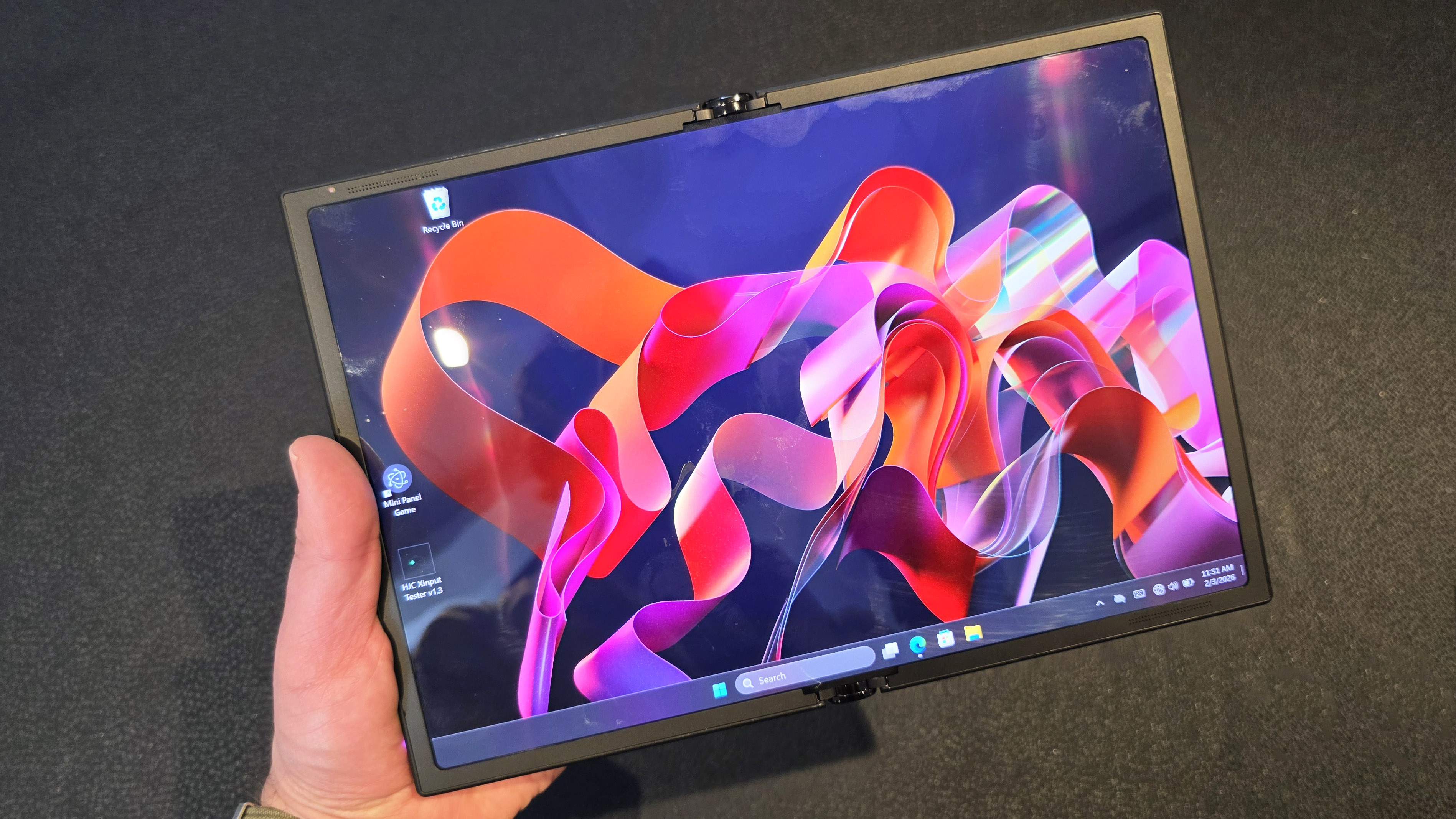
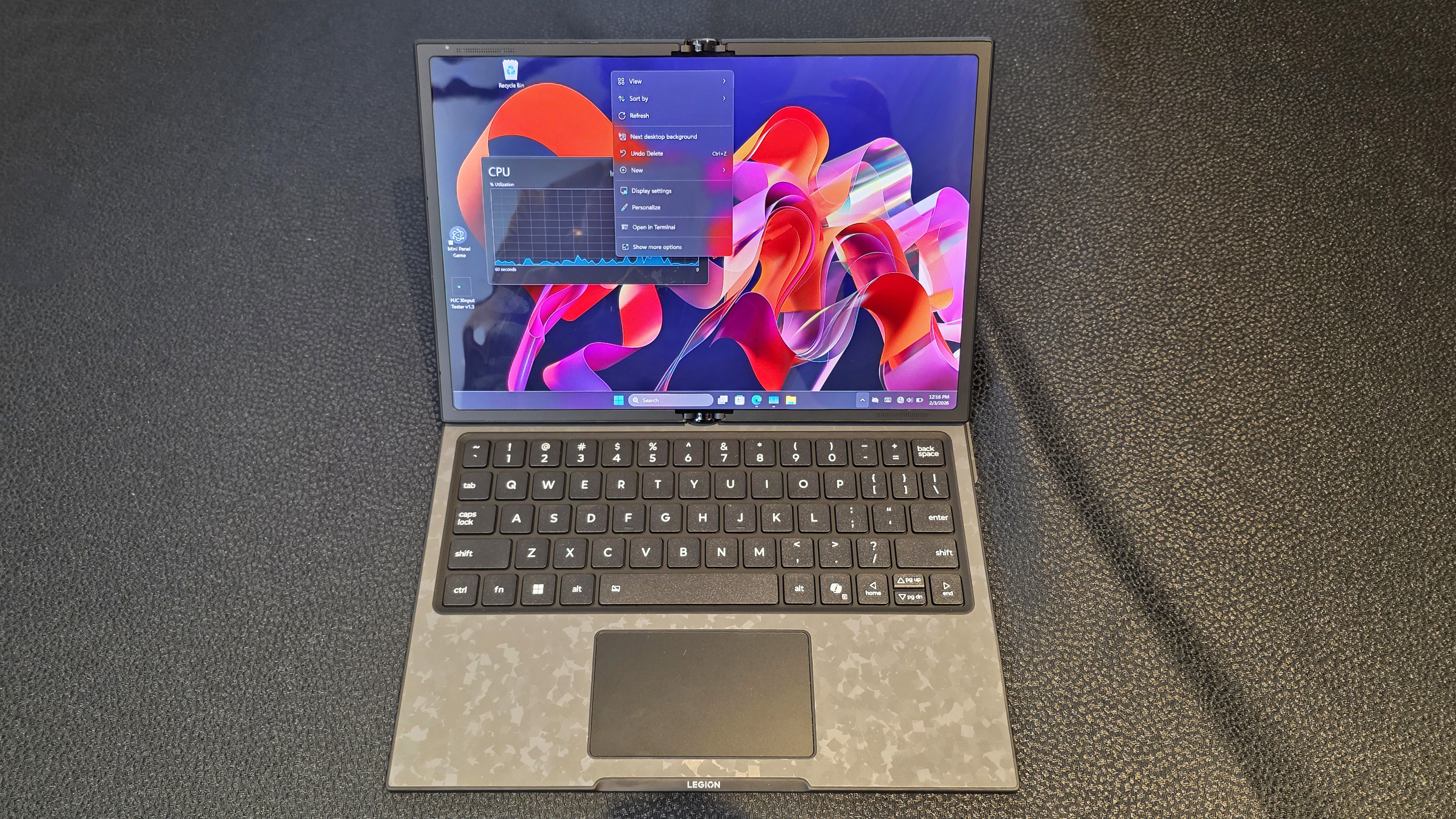
Lenovo's Legion Go Fold, unveiled at MWC 2026, is one of the company’s most ambitious concept devices. Known for its bold approach to hardware design, Lenovo has consistently pushed boundaries, and the Legion Go Fold is no exception. This device features a folding display, removable gamepads, and a detachable keyboard and stand—elements that have their origins in earlier PC concepts.
1. Lenovo's ThinkPad X1 Fold Introduces Folding Screens to Laptops
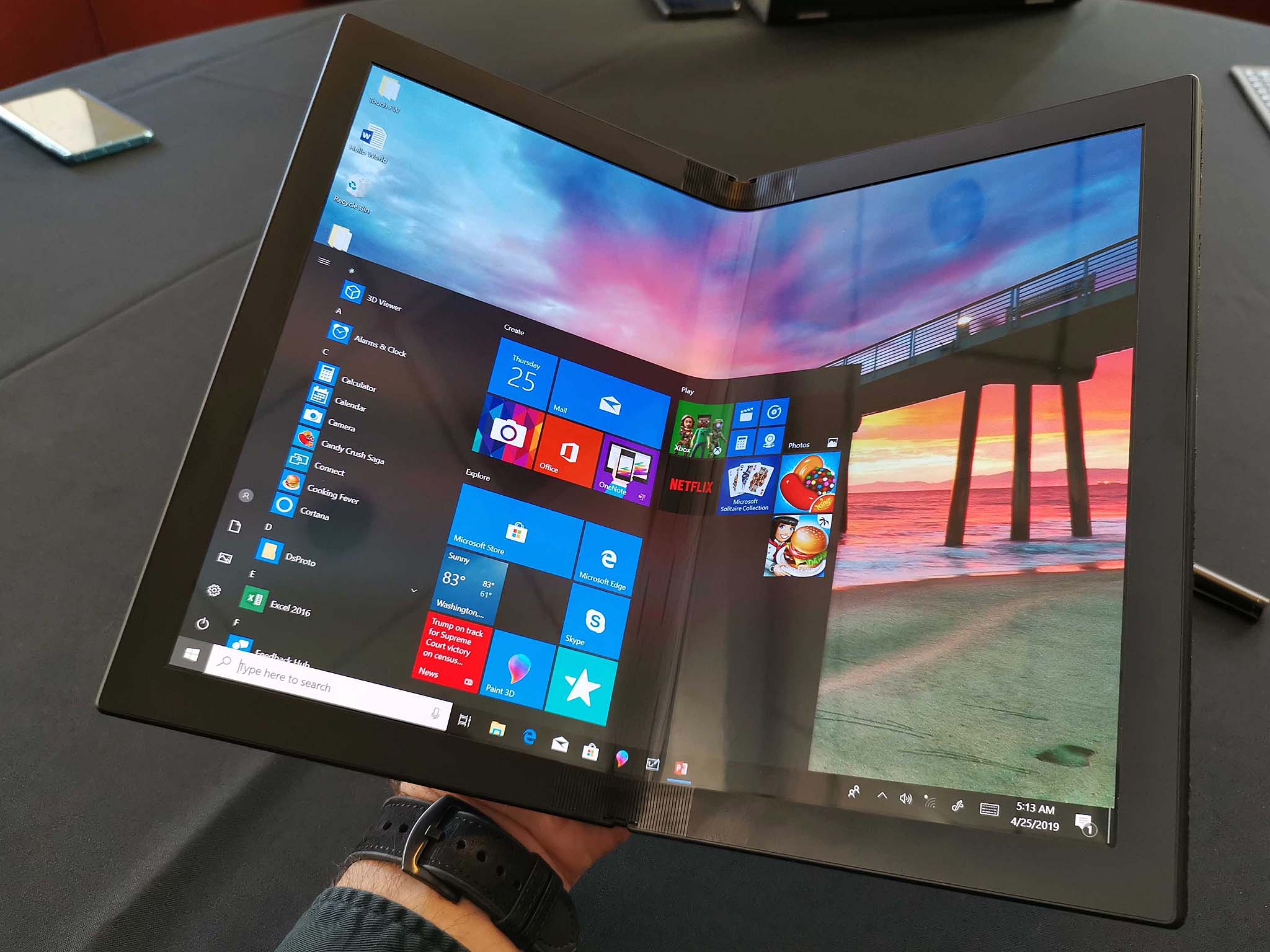
Lenovo's ThinkPad X1 Fold was first introduced commercially in 2020, but it went through several iterations before hitting the market. While the 2020 and 2022 Gen 2 models were eventually launched, they showcased the potential of folding screens for laptops. HP followed with the Spectre Foldable 17 in 2023, offering a larger OLED screen and a more premium design.
Going back even further, devices like the Polymer Vision Readius (introduced at MWC 2008) featured a 5-inch rollable e-ink display. Another notable concept from 2008 was the Nokia Morph, which had a soft display that could transform into a tablet or bracelet. Although it never made it to production, it demonstrated the potential of flexible displays.
Samsung began pushing foldable OLED displays in 2013, paving the way for today’s folding phones.
2. Razer's Project Fiona Lays the Groundwork for Modern PC Gaming Handhelds
Gaming handhelds have a long history, dating back to the 1970s. However, PC gaming handhelds have a more recent origin. Devices like the OQO Model 01 (2004), Sony Vaio UX (2006), and Microsoft's Project Origami (2006) were among the first to ship with Windows but weren't optimized for gaming.
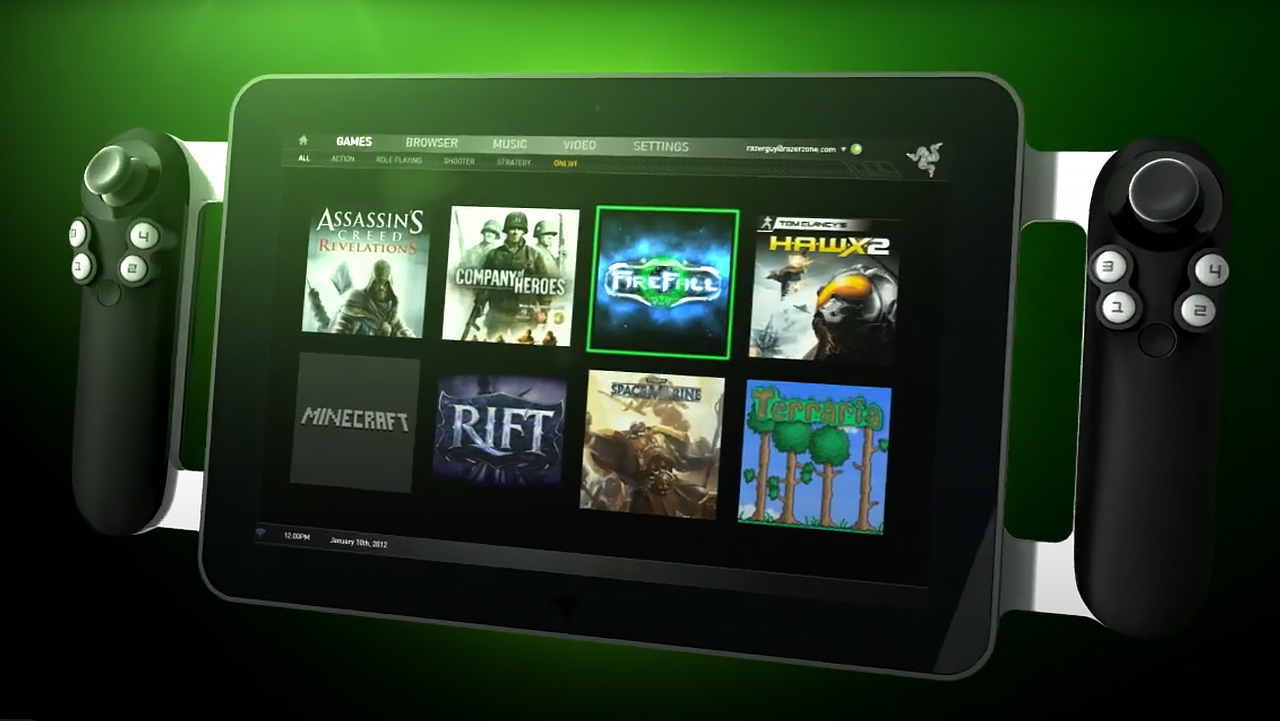
The Linux-powered Pandora gained popularity among mobile gamers in the early 2010s. However, it was Razer's Project Fiona, later renamed Razer Edge, that truly showcased the future of PC gaming handhelds. Launched in 2013, it featured an Intel Core i7 CPU, NVIDIA GT640M LE GPU, and ran Windows 8.
In 2016, the GPD Win introduced a Nintendo 3DS-style folding design. The Nintendo Switch, released in 2017, added removable wireless controllers, a feature later used in Lenovo’s Legion Go Fold.
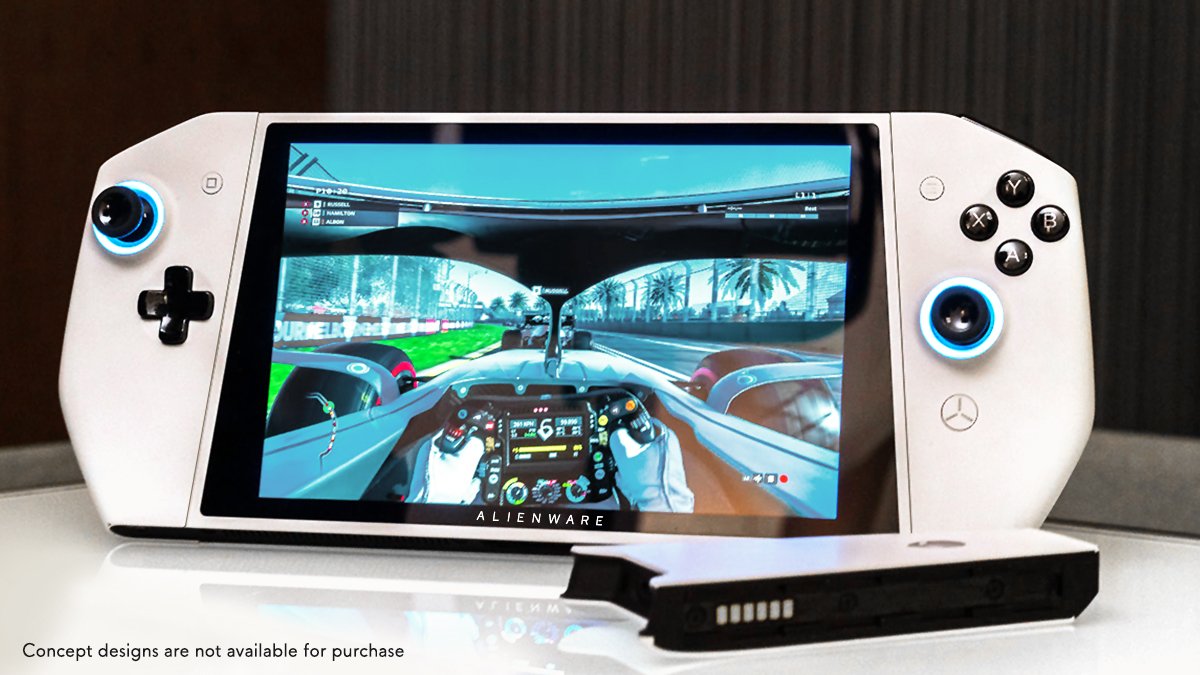
Alienware's Concept UFO, unveiled at CES 2020, hinted at modern PC gaming handheld design. However, it remained a concept. It wasn’t until Valve’s Steam Deck in 2022 that PC handheld gaming saw a significant resurgence.
3. Microsoft's Surface Lineup Shapes the 2-in-1 PC Landscape
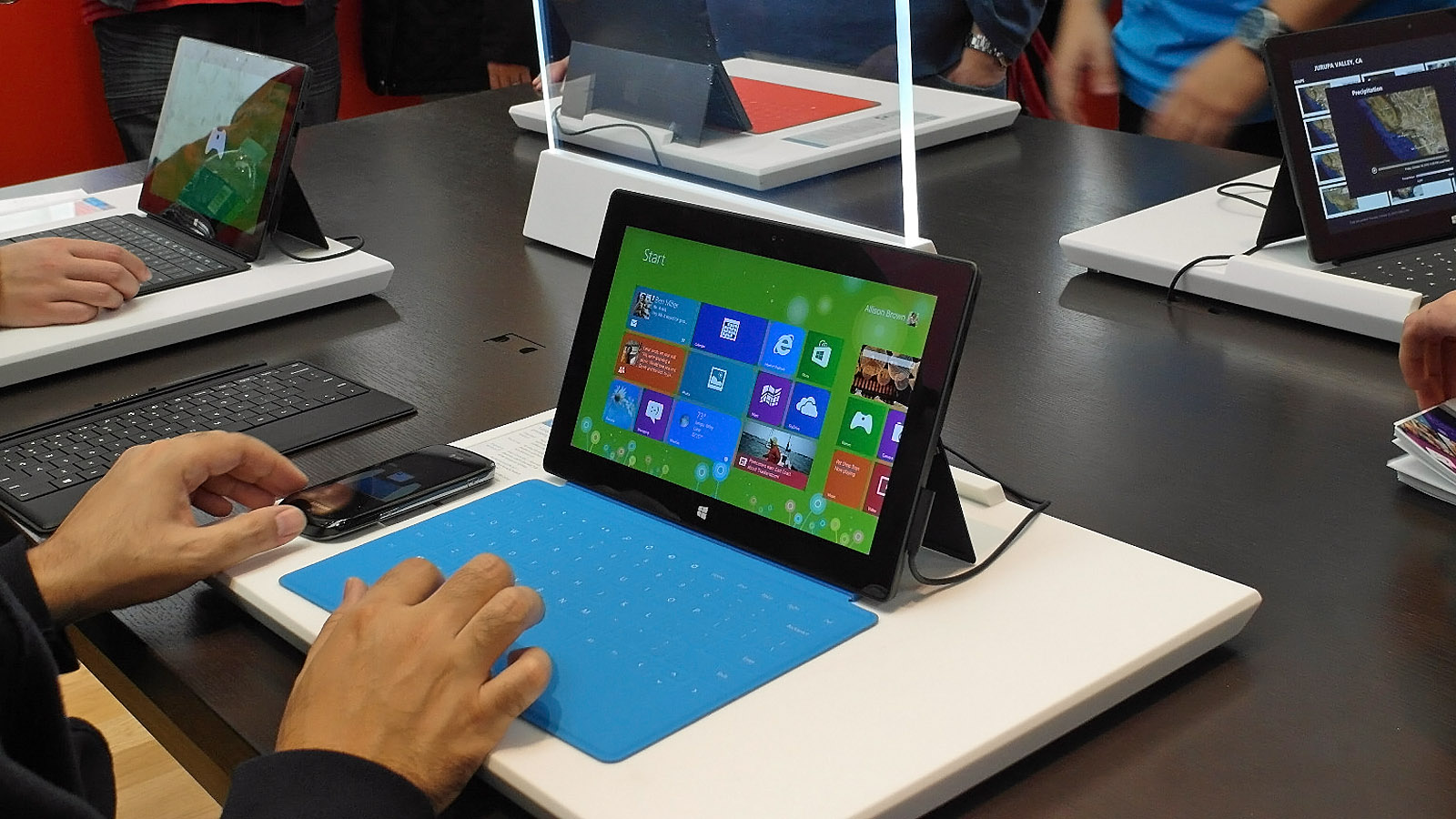
Lenovo’s Legion Go Fold can also function as a 2-in-1 laptop with a detachable keyboard and folding stand, much like the Surface Pro. Microsoft debuted the Surface RT in 2012 and the Surface Pro in 2013, which became a huge success and inspired generations of 2-in-1 PCs.
The Compaq Concerto, launched in 1993, was one of the first detachable laptops with a screen that supported basic inking. It appeared as a prop in the 1995 movie Die Hard: With a Vengeance, where it was used by the antagonist to build a bomb.
A Deep Dive into PC Concepts
The Legion Go Fold is just one example of how past concepts have influenced modern PC hardware. But there are many other devices that may have been overlooked. What are your favorite concept devices? How long ago did you get your hands on one?

Join the conversation on Reddit at r/ to share your insights and discuss the latest news, reviews, and more. If you enjoyed this article, follow us on MSN for more stories like this.
Posting Komentar untuk "Pioneers Shaped the Future of PC Gaming Handhelds"
Please Leave a wise comment, Thank you