
Driver's Backup Camera Fails in Rain, Sparking Doubt About Modern Car Tech
The Struggle of Backup Cameras in Rainy Weather
A frustrated driver recently shared a common experience many motorists face during wet weather: his backup camera becomes completely useless when rain hits, leaving him struggling to park or reverse safely. Water droplets cling to the lens and create a blurry, distorted view that makes the safety feature more of a liability than an asset. This complaint raises a bigger question about whether automakers have rushed to adopt camera technology without fully solving its weather-related limitations.
Backup cameras struggle with rain because water droplets stick to the small lens surface, and unlike side mirrors that benefit from airflow and larger reflective surfaces, these tiny cameras have no natural way to shed moisture. Some drivers report their cameras becoming completely unusable in rainy conditions, forcing them to rely solely on their mirrors and spatial awareness—the very things cameras were supposed to supplement.
This driver’s frustration highlights an ongoing debate about the automotive industry’s embrace of cameras over traditional mirrors. While backup cameras became mandatory in new vehicles for safety reasons, their performance in real-world conditions often falls short of expectations. The issue isn’t just about rain either, as subzero temperatures can distort images or cause systems to fail entirely.
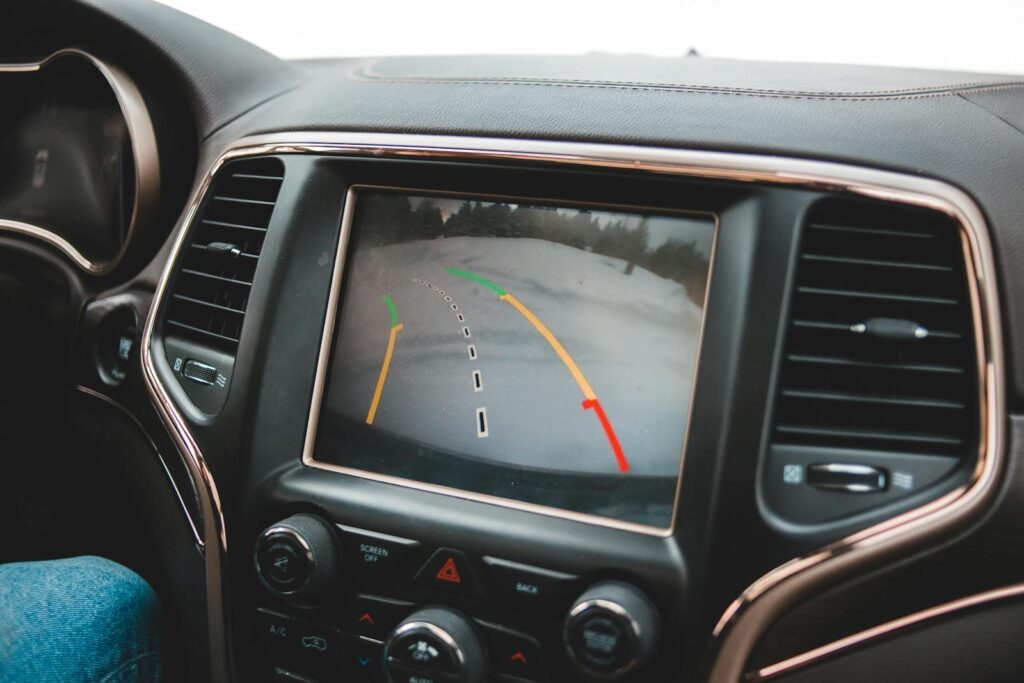
Why Do Backup Cameras Get Blurry During Rain?
Rain creates a perfect storm of conditions that turn backup cameras into blurry messes, with water droplets clinging to lenses and dirt mixing with moisture to create films that obscure the view.
How Water and Dirt Affect Backup Camera Lenses
Water droplets don’t just roll off backup camera lenses the way they might on a windshield. Instead, they cling to the lens surface, spreading out into irregular patterns that scatter light and distort the image. Each droplet acts like a tiny magnifying glass, bending light rays before they reach the camera sensor.
The real problem starts when rain mixes with road grime. Road grime, mud, salt residue, and everyday dust create a film over the camera lens that gradually reduces image clarity. This mixture is stickier than plain water and doesn’t evaporate or drip off easily. Rain carries dirt particles that stick to the lens surface even after the rain stops. The camera lens faces backward, directly into the spray kicked up by the vehicle’s own tires and other vehicles on wet roads. This constant bombardment of contaminated water makes backup cameras particularly vulnerable during wet conditions.
Common Weather-Related Camera Problems
Temperature fluctuations between hot days and cool nights accelerate moisture buildup inside camera housings. When warm, humid air meets a cold camera lens, condensation forms on both the exterior and interior surfaces. External condensation typically evaporates quickly, but internal moisture persists.
Morning dew creates enough moisture to blur images until it evaporates, even on otherwise clear days. Heavy rain can overwhelm properly functioning cameras, creating temporary blurriness that continues until conditions improve. Winter driving exposes cameras to additional challenges beyond just water, with snow and ice potentially blocking the view completely.
Camera Design Features That Worsen or Prevent Blurriness
Most backup cameras lack the self-cleaning mechanisms found on windshields. They don’t have wipers, washers, or defrosters to clear water and debris. The camera lens typically sits flush or slightly recessed into the vehicle body, creating a small pocket where water and dirt accumulate rather than drain away.
Some newer backup cameras feature hydrophobic coatings that cause water to bead up and roll off more easily. Others include heating elements that prevent condensation and help evaporate moisture faster. Camera positioning matters significantly—units mounted higher or angled slightly downward tend to shed water better than those mounted low and facing straight back into the spray zone.
The Shift From Mirrors to Cameras: Modern Safety or Ongoing Hassle?
Backup cameras became mandatory in all new vehicles after May 2018, fundamentally changing how drivers reverse their cars. This driver’s rain-related visibility problem highlights an ongoing debate about whether camera systems truly outperform traditional mirrors in all conditions.
Benefits and Drawbacks of Camera-Based Systems
The backup camera reduces blind spots that rearview mirrors can’t capture, particularly for small children, pets, and low obstacles near the ground. Research shows these cameras have cut the number of police-reported backup-related crashes since their introduction.
However, the technology comes with notable limitations. Drivers who focus only on their backup camera lose overall situational awareness of their surroundings. The cameras can’t capture everything, especially objects outside their field of view.
Environmental conditions create major problems for camera reliability. Low light and weather conditions produce blurred or indistinct images. Dirt, ice, and road salt block lenses and make the image unreliable for safe driving.
The guiding lines on backup camera screens can be deceptive and confusing if drivers fail to adjust for steering angle. Like any electronic component system, backup cameras can unexpectedly stop working, leaving drivers without their primary reversing aid.
Tips for Keeping Your Backup Camera Clear in Rain
Many drivers find their backup cameras turn into useless blurry messes during rainstorms. Water droplets accumulate on the lens surface and distort the image on the dashboard screen.
Some vehicle owners keep microfiber cloths in their cars to wipe the camera lens before backing up in wet conditions. Others apply water-repellent coatings designed for camera lenses that help rainwater bead off the surface.
The camera’s mounting location affects how much rain hits the lens directly. Cameras positioned higher on the tailgate or protected by slight overhangs tend to stay clearer than those mounted flush with the bumper.
When to Rely on Mirrors Instead of Cameras
Certified driver education instructor Steven Norman says drivers should never rely on backup cameras as the only way to check surroundings before moving. Turning your head and checking mirrors provides essential context that cameras miss.
Rearview mirrors give drivers a broad view of traffic and movement behind the car without electronic interference. They don’t malfunction in bad weather or require power to function.
Attorney William Pemberton notes that using mirrors and cameras together helps drivers potentially avoid tragedy. When camera visibility drops during rain or other conditions, mirrors become the primary tool for safe reversing.
More from Steel Horse Rides: * 13 Most Powerful Muscle Cars of All Time * 13 Underrated JDM Cars That Deserve More Love * 15 JDM Cars That Were Illegal in the U.S. * 13 SUVs From the ’90s That Are Surprisingly Cool Today
Posting Komentar untuk "Driver's Backup Camera Fails in Rain, Sparking Doubt About Modern Car Tech"
Please Leave a wise comment, Thank you