
Why Does the US Navy Sink Its Own Ships?
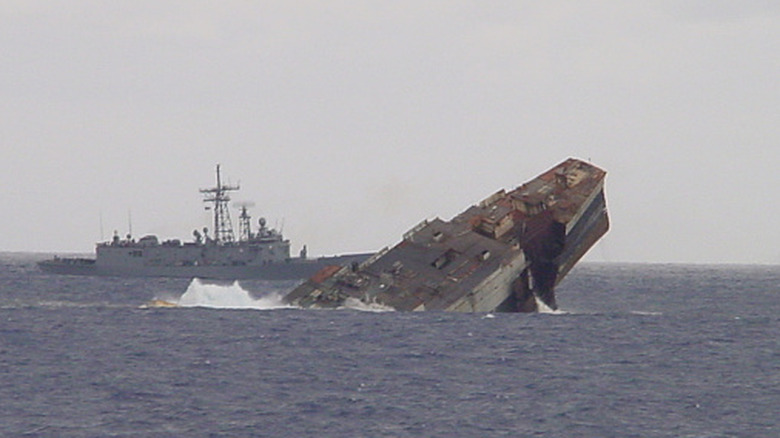
The U.S. military has a unique approach to decommissioning its older vessels, choosing to sink them rather than scrap them on land. This practice, known as SINKEX (Sink Exercise), serves multiple purposes, including combat training, weapon demonstration, and environmental considerations. While it may seem counterintuitive to destroy expensive ships, the process can be more cost-effective and beneficial in the long run.
The Purpose of SINKEX Exercises
SINKEX exercises are designed to simulate real combat scenarios by using actual ships as targets. This method allows the Navy to test its weapons systems under realistic conditions, providing valuable data on performance and reliability. Unlike plastic boats used for target practice, real ships offer a more authentic experience, helping crews prepare for potential conflicts.
In addition to training, these exercises serve as a powerful demonstration of the U.S. military's capabilities. Retired Marine Col. Mark Cancian explained that SINKEX is not only about testing systems but also about sending a message to other countries. "The purpose is twofold," he said. "To exercise the system and ensure that it works and to send the message to other countries (China) that the United States has these capabilities."
Cost and Environmental Considerations
Decommissioning a ship can be a costly endeavor. According to ShipUniverse.com, the average cost of scrapping a ship ranges from $200,000 to $5 million, depending on the size and condition of the vessel. However, the costs associated with cleaning a ship before sinking it can be even higher. Despite these expenses, sinking a ship can sometimes be more efficient and less complicated than traditional scrapping methods.
One of the benefits of sinking a ship is that it can become an artificial reef, supporting marine life and creating new ecosystems. Hard surfaces like metal structures provide ideal habitats for coral, fish, and other organisms. These sunken vessels can also attract divers and tourists, offering new recreational opportunities.
Controversies and Concerns
Despite these benefits, there are concerns about the environmental impact of sinking ships. Some vessels may contain harmful substances, such as polychlorinated biphenyls (PCBs), which can pose risks to ocean life. Erin Brockovich, an outspoken activist, criticized plans to sink the SS United States, a long-decommissioned ocean liner. She urged the Navy to clean the ship thoroughly before sinking it, warning that improper disposal could lead to significant environmental damage.
The U.S. Oriskany, a former aircraft carrier, was found to still contain around 700 pounds of PCBs after a reported $20 million cleaning operation. With the Navy planning to decommission 19 ships in 2025 alone, the issue of contamination has become increasingly contentious.
The Future of Decommissioned Ships
As the Navy continues to retire older vessels, the debate over their fate will likely persist. While some see the value in turning these ships into artificial reefs, others worry about the potential environmental consequences. Balancing the need for effective training, military demonstrations, and environmental responsibility remains a complex challenge.
With 292 vessels listed among its battle forces, the Navy must carefully consider each decommissioning decision. Whether through SINKEX exercises or other methods, the future of these ships will have lasting impacts on both military readiness and the health of our oceans.
Posting Komentar untuk "Why Does the US Navy Sink Its Own Ships?"
Please Leave a wise comment, Thank you