
The Mailbox Trap: 5 Legal Reasons You Can't Avoid a Physical Address
The Illusion of Anonymity: Why a Physical Address is Still Essential
Picture this: you grab a PO box or sign up for a virtual mailbox service, thinking you've dodged the system and can vanish without a trace. It feels freeing at first, handling mail remotely while staying off the radar. However, reality hits hard when government agencies and financial institutions demand a verifiable physical street address for basic life functions.
These setups often get flagged as private mail boxes (PMBs), which many rules explicitly reject. Trying to live solely through a mailbox creates roadblocks everywhere. Legal requirements haven't softened in recent years. As of 2026, states and federal entities still insist on proof of a physical residence for identity verification and public safety. Virtual options work for casual mail forwarding, yet they fall short where residency matters. Nomads and off-gridders learn this the tough way, facing delays or denials.
Driver's Licenses Demand Proof of Physical Residency
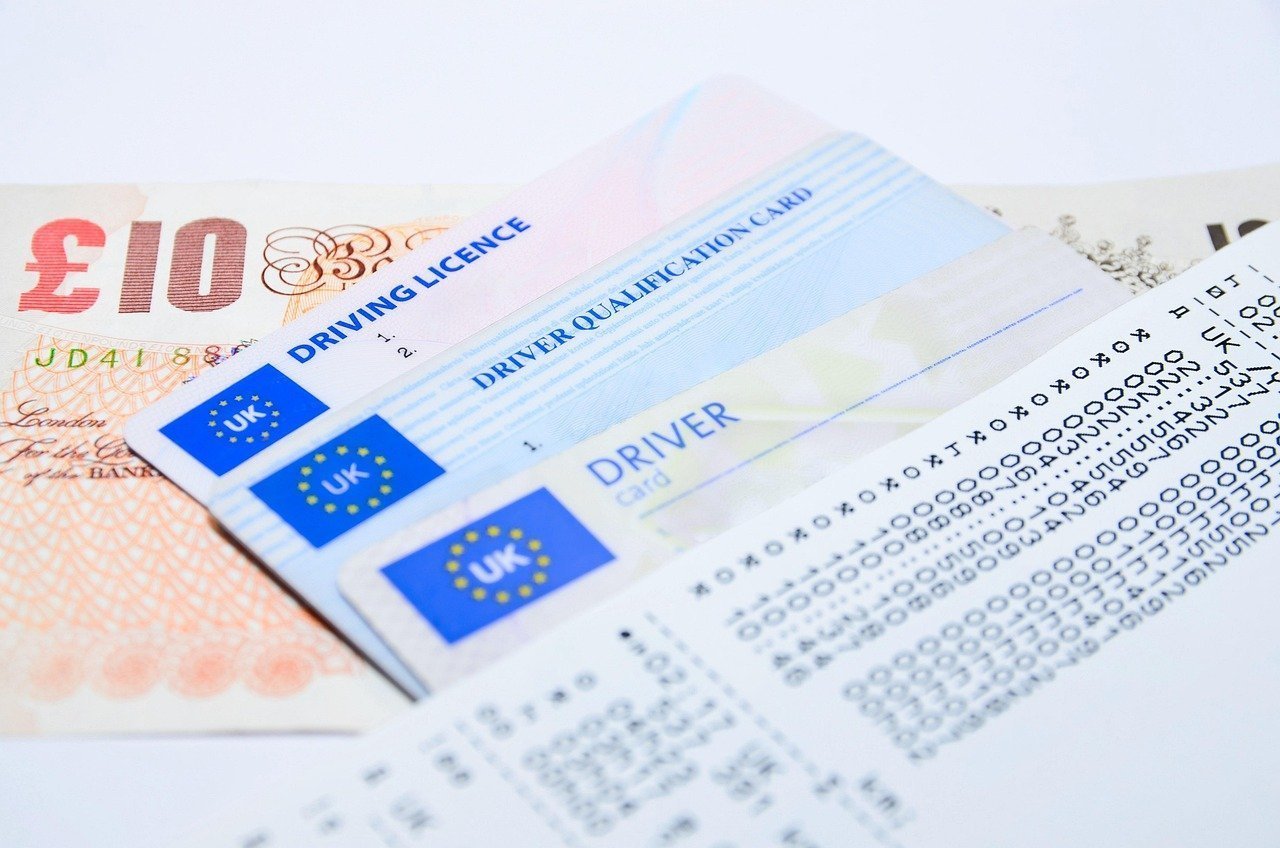
Nearly every state DMV requires documents showing a physical home address to issue or renew a driver's license or state ID. For instance, New Jersey mandates six points of ID plus separate proof of address, where utility bills or leases count but PO boxes do not. Pennsylvania and Colorado follow suit, needing two proofs of residency like tax records or mortgages tied to a street address. Without this, you can't legally drive or prove identity for jobs and travel.
REAL ID compliance, ramped up through 2026, adds extra scrutiny with physical address verification for domestic flights and federal buildings. Virtual mailboxes get rejected outright since they lack a true dwelling link. Folks using only a box end up stuck, unable to update licenses after moves. It's a core residency check to prevent fraud.
Voter Registration Ties to a Real Residence

To register to vote, you must list a physical residence within your state, not a PO box or virtual spot. Federal guidelines define voting residency as your permanent home with physical presence intent. States like New York and Alabama enforce this, rejecting mail drops during signup. This ensures ballots go to actual community members.
Even homeless voters get accommodations, but they affirm a street or shelter address, not a box. Recent 2025-2026 pushes for voter ID in places like Florida highlight address proof needs. Skipping a physical tie means no voice in elections, cutting off civic rights.
Court Summons Require Service at a Street Address

Legal papers like summons can't reliably reach you via PO box; courts demand a physical location for proper service. Process servers must deliver to your home or workplace during business hours, as California rules specify. Mailing to a box often fails validity tests since USPS won't accept service. Hiding behind a mailbox risks default judgments against you.
Courts subpoena PO box records if needed to find the real address from signup forms. This setup protects due process but trips up those dodging visibility. In 2024 cases, defendants lost because servers couldn't locate them beyond a box. Your day in court depends on being findable.
Banks Insist on Verifiable Physical Proof
Opening a checking or savings account needs two forms of ID plus physical address proof like bills or leases; PO boxes and virtual PMBs trigger flags. Wells Fargo and PNC explicitly require a U.S. street address in 2025 guidelines. Non-residents face even stricter checks.
Patriot Act rules since 2001, updated through 2026, mandate this for anti-fraud and money laundering prevention. Virtual services rarely pass as they mimic boxes. Without it, you're cash-only, missing direct deposits and loans. Everyday banking grinds to a halt.
Tax and Business Filings Need Street Addresses
IRS EIN applications via SS-4 demand a physical street address, rejecting PO boxes outright as of 2026. Most states bar them for LLC or corp registration too, mandating a real office or home. Personal returns accept mailing boxes, but residency proofs for audits do not.
State taxes track domicile via physical ties, complicating off-grid claims. Business owners using only virtual addresses face dissolution risks. Recent filings show rejections spiking for nomad setups. Compliance keeps the IRS off your back.
Wrapping It Up
The mailbox dream crumbles under these mandates. A physical address anchors your legal life, from roads to rights. Smart folks blend privacy tools with compliance to stay free yet findable.
Posting Komentar untuk "The Mailbox Trap: 5 Legal Reasons You Can't Avoid a Physical Address"
Please Leave a wise comment, Thank you