
Tech Fear: Why Gen Alpha Avoids In-Person Interaction
The Digital Generation: Understanding Gen Alpha
Imagine handing a two-year-old a touchscreen tablet and watching them navigate it more confidently than most adults can operate a new TV remote. That's not an exaggeration—it's everyday life for Generation Alpha.
The question researchers, parents, and teachers are now grappling with in 2026 is no longer whether these children are technologically brilliant. They are. The real question is what they might be quietly losing along the way.
Something is shifting in how Gen Alpha connects, communicates, and shows up in person.
Born Into the Screen: Who Exactly Is Gen Alpha?
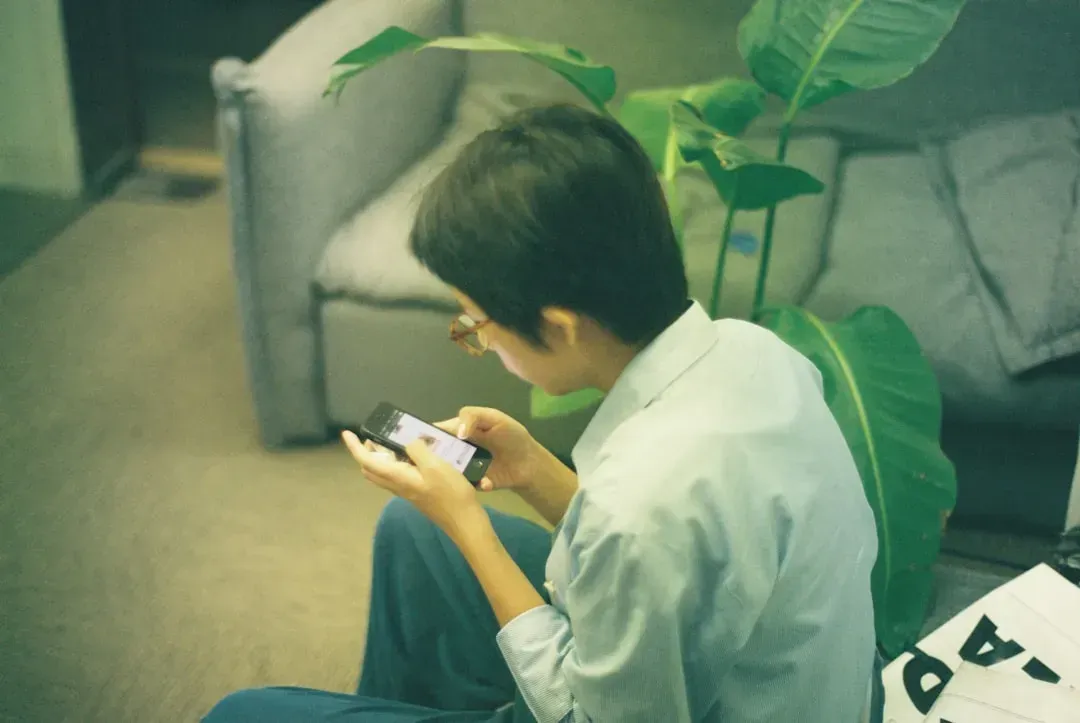
Generation Alpha is the demographic born between 2010 and 2024, representing the first generation born entirely in the 21st century. They didn't watch the internet arrive—they were born inside it.
Think of it this way: if Millennials learned to swim in a pool that was slowly being filled with water, Gen Alpha was born in a pool already at the deep end.
Children are exposed to a screen, such as a smartphone, tablet, or TV, by their first birthday. That's not a trend.
The Screen Time Numbers Are Staggering

Let’s be real—the data here is shocking. Gen Alpha children spend on average four and a half hours per day on various screens, and around two and a half of those hours are dedicated specifically to social media.
More than 36 million kids ages 0 to 11 were regular internet users in 2024, which is nearly 12 million more than teen internet users. Nearly two-thirds of Alphas ages 8 to 10 spend up to four hours a day on social media.
About four in ten Gen Alpha children own their first smartphone by age 10.
Struggling to Form Friendships in Real Life

Here's the thing—having thousands of online interactions doesn't automatically translate into real-world social confidence. In fact, it often works in the opposite direction.
The influence of digital upbringing extends to the development of social skills, with experts noting that children struggle to navigate interpersonal dynamics independently.
A study comparing generational differences found Generation Alpha to exhibit behaviors such as being more ill-tempered, more self-centered, and having higher self-esteem than Generation Z.
In terms of communication, Generation Alpha was also found to be more closed and to behave more individually than Generation Z. That's a pattern that mirrors what happens when human beings practice digital conversation far more than face-to-face interaction.
The "Popcorn Brain" Effect and What It Means for Social Situations
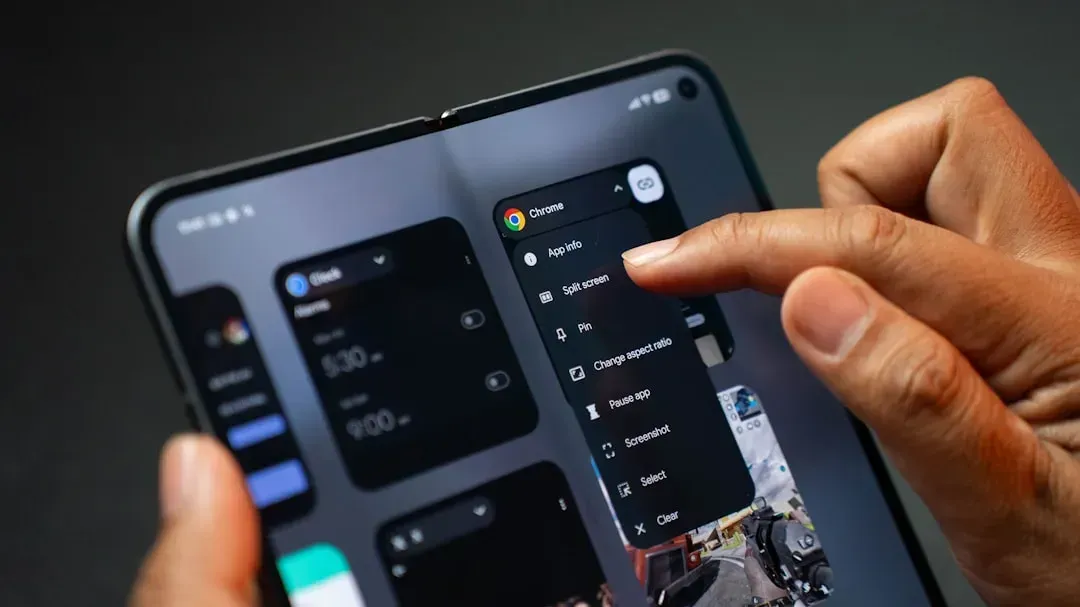
The multitasking habit with digital tools slows down Gen Alpha's ability to interact with the external world—a situation that researchers have operationally defined as "Popcorn Brain," which causes mental overstimulation and scattered thoughts. Honestly, the term fits perfectly.
A study with Gen Alpha kids tested them with online messaging, with nearly all of them expecting an immediate response with any kind of messaging, gaming, social media, or digital interaction. Real friendships, of course, don't work that way.
Real friendships require waiting, tolerating silences, reading facial expressions, and managing the discomfort of awkward pauses.
Attention Spans in Freefall: What Teachers Are Seeing
Teachers have reported noticing Gen Alpha struggling to focus in school, with students constantly stimulated by technology in their free time, causing them to struggle to stay focused on tasks for extended amounts of time.
Teachers also noted that Gen Alpha is very anxious, which causes them to struggle with communication to large audiences. That's a remarkable double problem: they can't focus, and they can't speak up.
A meta-analysis from 2022 by the National Institute of Health looked at 498 studies and confirmed a correlation between screen time and reduced attention span.
Attention spans among Gen Alpha children have decreased by approximately thirty percent compared to previous generations.
The Mental Health Crisis Quietly Unfolding

This isn't just about awkward conversation at birthday parties. The mental health implications are serious and growing.
In 2023, sixteen percent of young Alphas ages 3 to 5 had a mental, emotional, developmental, or behavioral problem, an increase from thirteen percent in 2018.
Gen Alpha has thirty percent less physical activity compared to Millennials, around a fifth struggle with social comparison, and one study in the USA found that one in ten have seriously considered suicide—alongside increased anxiety and increased problems with addiction, specifically screen or video game addiction.
Seventy percent of children aged 7 to 12 reported feeling lonely during the 2020 pandemic, indicating the deep impact of social isolation on Gen Alpha.
The Classroom Is Sounding the Alarm
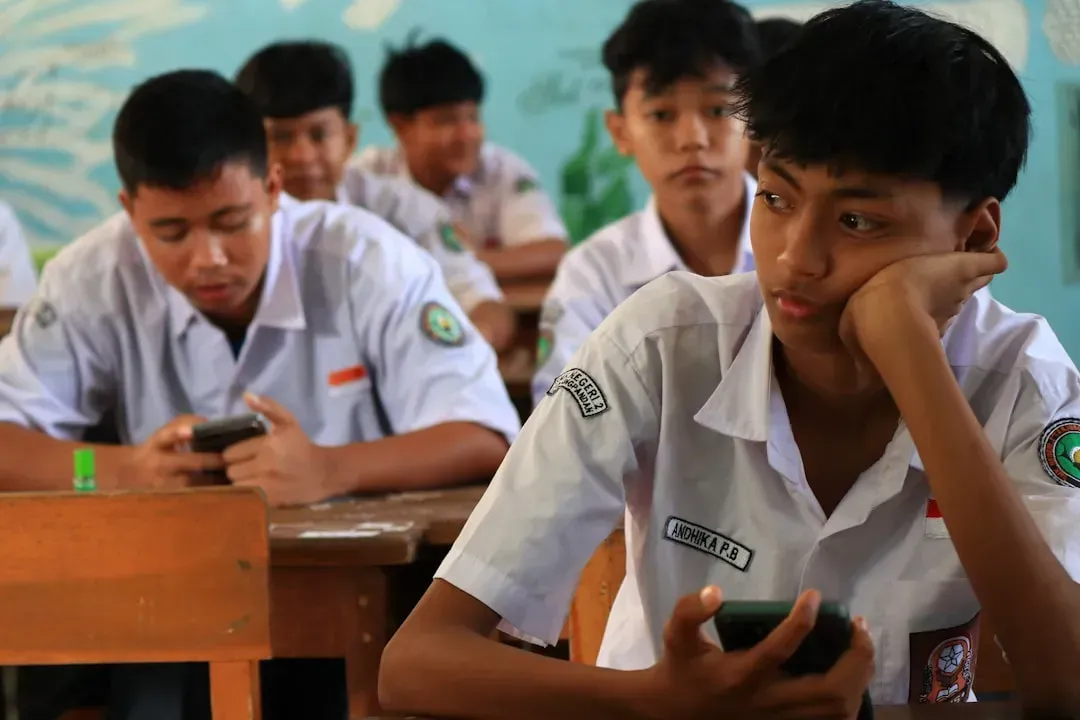
Increased screen time has made Gen Alpha more susceptible to behavioral issues and symptoms of ADHD, depression, and anxiety, which inevitably manifest in classrooms, disrupting the learning environment.
Parents, teachers, and medical practitioners report that in Gen Alpha kids, more cases of depression, suicidal rates, and abuse have been on the rise, with children showing anger, disrespect, and being lost in their own world, even in social settings such as playgrounds, morning assemblies, and classrooms.
Language Delays and the Disappearance of Verbal Confidence

A growing body of research has highlighted the potential risks associated with excessive screen time, including reduced attention span, impaired sleep quality, delayed language development, and increased risk of mental health issues such as anxiety and depression.
Language delay—that's an enormous one. Language development delay affects between five and ten percent of preschool children globally, and modifiable environmental factors such as screen exposure have drawn significant research attention.
Early exposure to tablets and smartphones before the age of seven coincides with critical periods of neuroplasticity, during which the brain is highly receptive to environmental influences.
Attention and cognitive skills formed in childhood lay the foundation for academic success and long-term personal development.
What Parents Think - and What They're Missing

According to a 2025 report, at least three in four parents of Alphas under age nine are worried about the impact of screen media, particularly excessive screen time (eighty percent) and the impact on attention spans (seventy-nine percent).
The parental concern is clearly there. The follow-through, however, is more complicated.
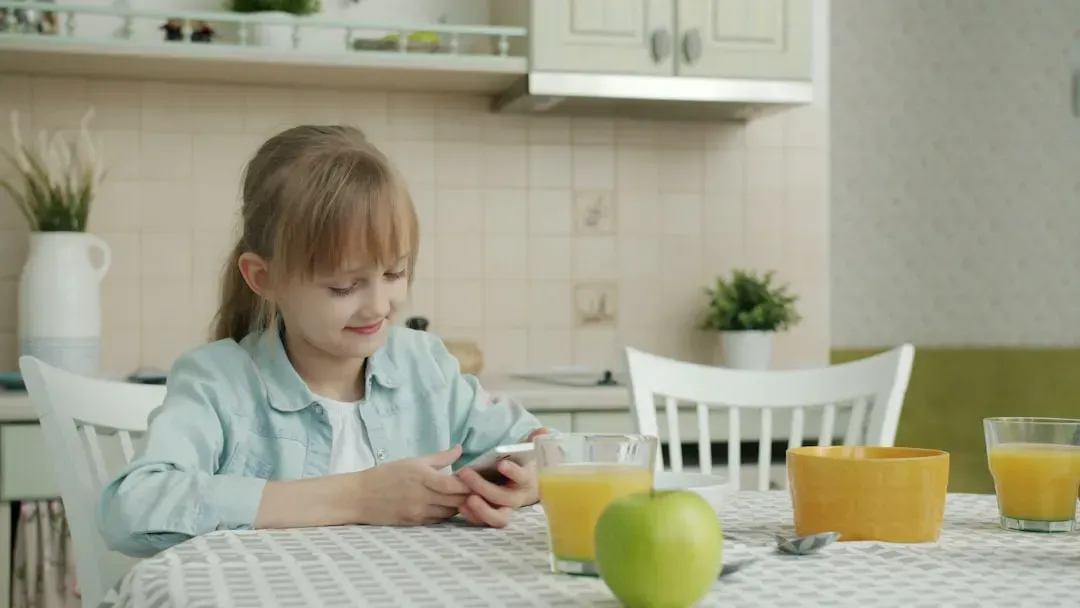
Using a device for emotional regulation at mealtime is essentially teaching children that when things get uncomfortable, you reach for a screen instead of a person.
That's a learned behavior that carries devastating implications for face-to-face relationships later in life.
Is There a Way Forward? What Research Suggests

It's not all doom and gloom, I promise. Some statistics show that about three-quarters of Gen Alpha go outside or reduce tech use to manage mental health, and many are already thinking about mental health by ages eight to ten.
One key strategy for educators is to put a focus on holistic development by integrating social-emotional learning into the curriculum and fostering a collaborative environment through group projects and peer learning.
Experts recommend that parents model healthy social behavior and offer guidance, without being too intrusive, to help instill resilience in children's social development.
The tools exist.
Posting Komentar untuk "Tech Fear: Why Gen Alpha Avoids In-Person Interaction"
Please Leave a wise comment, Thank you