
Last Chance to Save 'Forgotten Forests' Beneath Plantations, Charity Says
England’s Ancient Woodlands Face a Critical Crossroads
England is at a crucial moment in its environmental history, with conservationists warning that the country is “running out of time” to save its ancient woodlands. These natural treasures, once rich in biodiversity and historical significance, are now threatened by decades of industrial forestry practices. The Woodland Trust has raised alarms about the slow progress in restoring these ecosystems, which were largely replaced by monoculture plantations during the 20th century.
The Woodland Trust highlights that the government is falling far short of its goal to restore planted ancient woodlands by 2030. In recent years, almost no restoration efforts have taken place on private land, despite the critical need for action. These ancient woodlands, which were clear-felled or poisoned after World War II to make way for conifer plantations, represent a unique and irreplaceable part of England’s natural heritage.
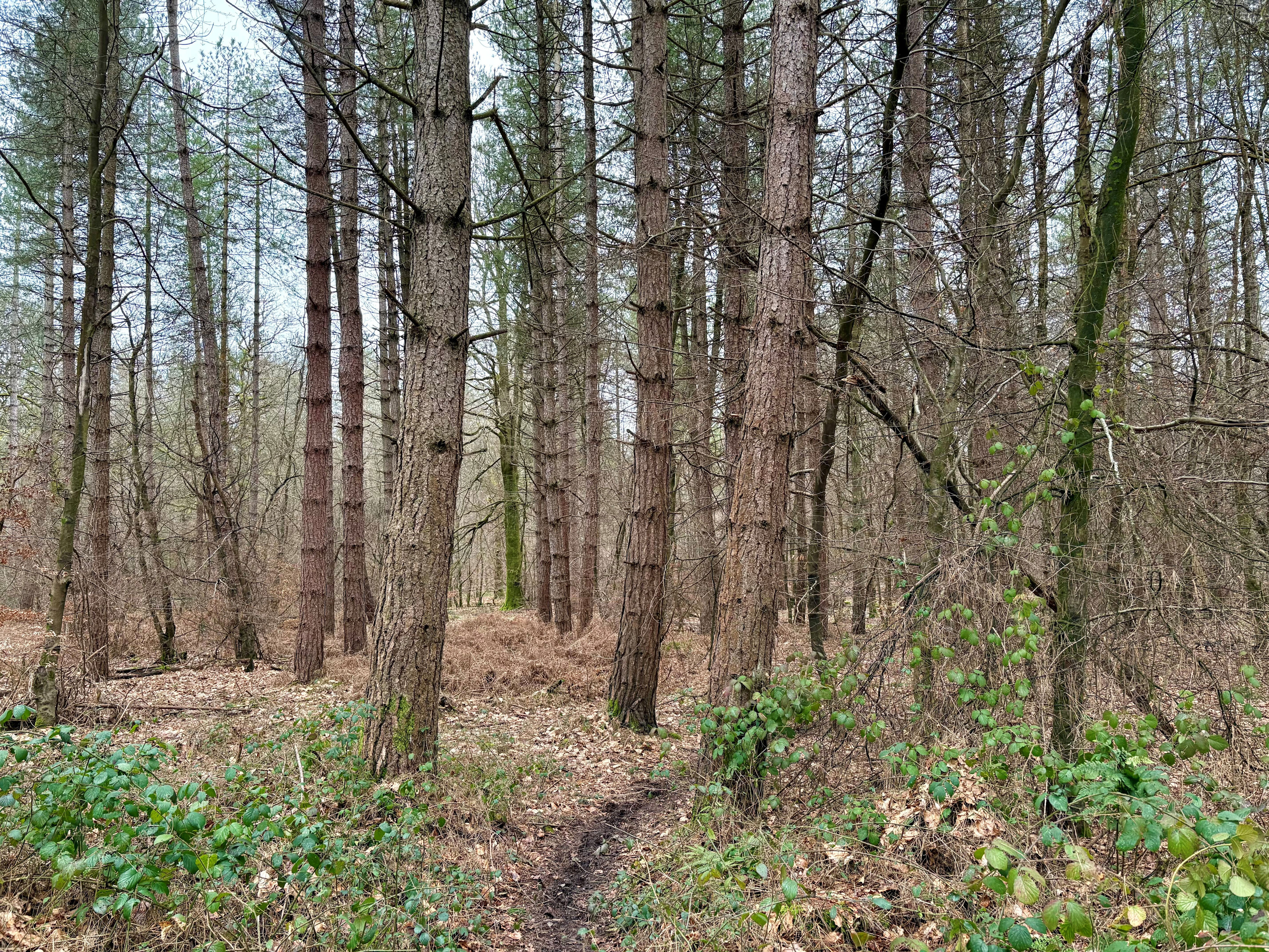
According to Nick Phillips, the Woodland Trust’s lead on forestry policy, the original ecosystems of these woodlands—rich in soils, seeds, and native plant fragments—are still clinging on. However, as most of the plantations reach maturity, there is an urgent decision to be made: either clear-fell and replant them for timber, which would permanently destroy the native woodlands, or take immediate steps to restore them.
In Penn Wood, located in Buckinghamshire, the trust is demonstrating how this restoration can be achieved. Once a site threatened by conversion into a golf course, Penn Wood now showcases the potential for recovery. Over 70% of the area is currently in the process of being restored, with many sections in a “critical condition” when first assessed. At that time, the forest floor was dark and lifeless, with large broadleaf trees surrounded by softwood trees that blocked all light.
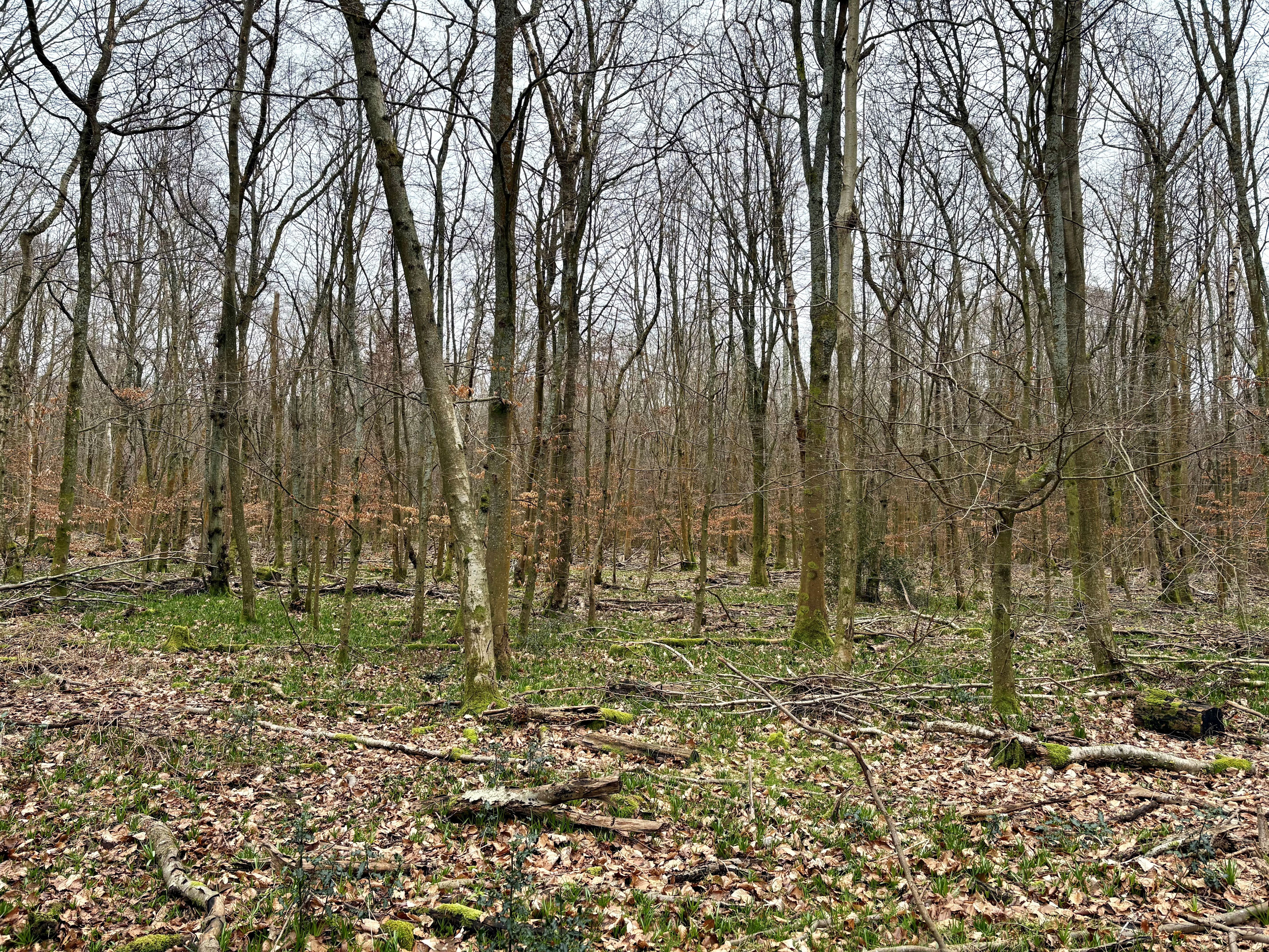
The restoration approach used at Penn Wood is called “continuous cover forestry.” This method involves periodically thinning plantation trees to allow more light and space into the woodland. This enables native saplings to grow, mature trees to spread, and forest floor plants to flourish. George Griffiths, the site manager, explains that this technique protects the forest floor and soil without completely removing what is already there.
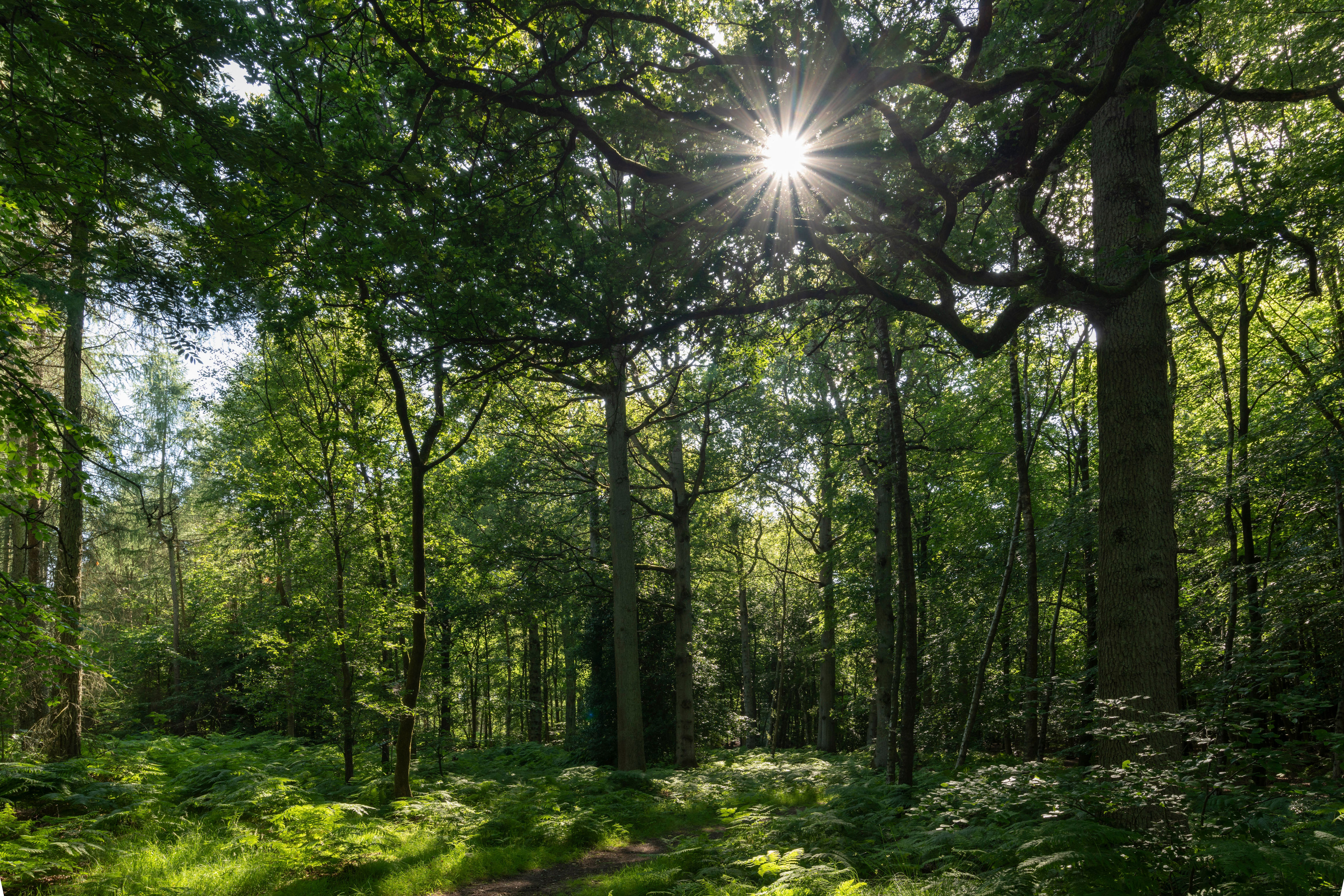
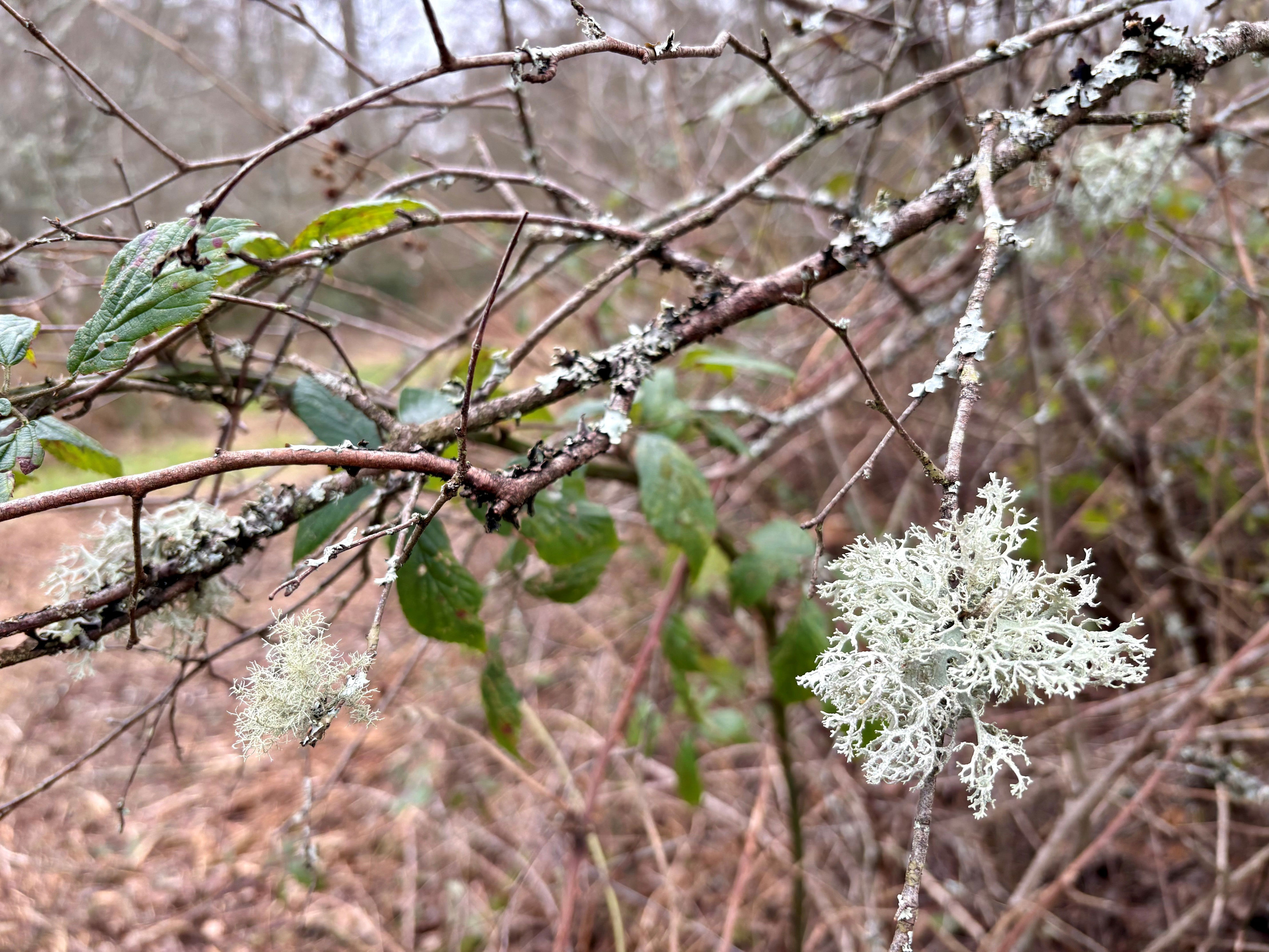
With this strategy, nature is given the chance to thrive. Young native birches are growing between moss- and lichen-covered oaks, and in early spring, the greenery on the woodland floor signals the return of bluebells that will bloom in the coming weeks.
Mr. Phillips notes that around 40% of England’s remaining ancient woodlands—covering just 2.5% of the country—are classified as “planted ancient woodlands.” Almost half of England’s now-rare rainforest habitat is also made up of these sites. The government has set a target to restore the majority of these areas to native woodlands by 2030, but the Woodland Trust estimates that this will require restoring 5,000 hectares of privately-owned forests each year—equivalent to an area the size of Birmingham.
However, recent data from the Forestry Commission shows that very little progress has been made on private land in recent years. Mr. Phillips warns that time is running out. He emphasizes that the current generation is the last opportunity to restore these woodlands before they are lost forever.
If these woodlands are clear-felled and replanted for timber, the ancient trees and plants would be exposed to increasingly hot summers and then forced under shade for the next 50 years. This would effectively sound the “death knell” for the habitat. Once gone, these ancient ecosystems cannot be replaced, no matter how much tree planting occurs.
The Woodland Trust is calling on the government to provide proper legal protection for ancient woodlands. It also urges that some of the £1 billion pledged for tree planting should be directed toward restoring existing ancient woodlands. Without protecting these sites, it will be impossible to meet carbon storage and biodiversity goals.
While there are some agricultural grants available to support ancient woodlands, the trust argues that bespoke funding is needed to connect landowners to these programs and provide guidance on restoration techniques.
The Environment Department (Defra) has stated that it is supporting Forestry England in restoring planted ancient woodland sites on public land. Over the past decade, 20,000 hectares have been restored, and the government has also supported over 2,000 hectares through the countryside stewardship grant scheme.
A Defra spokesperson said: “Our majestic ancient trees and woodlands are irreplaceable—vital for wildlife, rich in history, and cherished by communities across the country. Trees are at the forefront of our plans to connect communities with nature, support biodiversity, and that is why this Government has committed £1 billion towards tree planting and support to the forestry sector.”
Posting Komentar untuk "Last Chance to Save 'Forgotten Forests' Beneath Plantations, Charity Says"
Please Leave a wise comment, Thank you