
5 Places to Avoid Wearing Smart Glasses Like Meta Ray-Bans
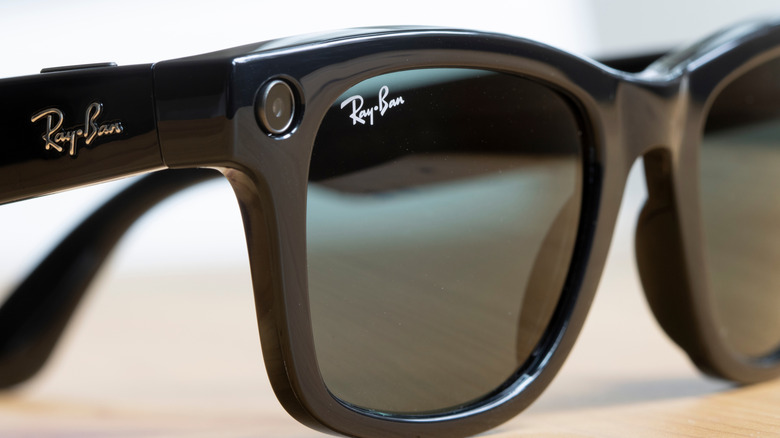
The advent of virtual reality (VR) technology has been nothing short of revolutionary. With headsets, haptic gloves, and other accessories, the immersive experience is undeniable. However, these devices can be cumbersome and require a certain level of technical setup. In contrast, smart glasses like Meta's Ray-Bans represent a different kind of technological leap. They offer hands-free access to powerful AI tools, which is both convenient and exciting for users.
Despite their benefits, smart glasses come with significant security and privacy concerns. Their recording capabilities are subtle and advanced, often operating without the user's knowledge or intent. This raises serious questions about data protection and potential misuse. The U.S. Air Force, for example, recently banned such devices due to the risk of compromising high-security operations. While the use of smart glasses isn't inherently wrong, their potential for misuse necessitates caution.
Some dangers associated with smart glasses arise without any malicious intent. As a result, their use is restricted in many places. Let's explore some key scenarios where wearing smart glasses might not be advisable.
1. The locker rooms at gyms
Gyms and photography have long had a complicated relationship. In November 2023, PureGym, a major UK chain, clarified its policy on photography and video recording. The company stated that taking photos or videos without permission is strictly prohibited. Smart glasses, which are often indistinguishable from regular glasses, could easily be used to capture images or videos in such spaces.
In December 2025, Kingdom Gyms in Birmingham, England, announced a policy change banning smart glasses in their facilities. The gym emphasized the need for respect and consideration for other members who may not want to appear in the background. While it's not necessarily the wearer's fault, the presence of smart glasses can cause discomfort among others.
2. During standardized testing
Cheating during exams has been an ongoing challenge, and smart glasses present a new way to do so. While it's difficult to distinguish between regular and smart glasses, there are telltale signs, such as a noticeable light when recording. College Board officials, like Priscilla Rodriguez, have been proactive in addressing this issue, monitoring the development of such technologies before they hit the market.
This ongoing battle between cheating methods and anti-cheating measures highlights the need for restrictions on smart glasses during exams. Even if a user doesn't intend to cheat, the mere presence of such devices can raise concerns.
3. Hospitals
Hospitals and clinics are places where patient privacy is paramount. The introduction of smart glasses into such environments poses a unique challenge. Patients expect confidentiality, and caregivers also have the right to work without unnecessary interruptions.
The LBMC emphasizes that hospitals could face legal consequences if they fail to protect sensitive information. Even unintentional recordings by smart glasses can compromise patient trust and lead to serious repercussions. The Health Insurance Portability and Accountability Act (HIPAA) mandates strict protections for health information, making the use of smart glasses in medical settings particularly risky.
4. In courts of law that don't allow recording devices
Courts of law are another setting where the use of smart glasses is highly restricted. These environments handle sensitive information, and unauthorized recording can jeopardize cases. In February 2026, Meta CEO Mark Zuckerberg was questioned in a Los Angeles courtroom, and the presence of smart glasses raised concerns.
Judge Carolyn Kuhl made it clear that any recording, even unintentional, would result in contempt of court. While not all courts have outright bans, the trend is shifting toward stricter controls on such devices.
5. Certain areas aboard specific cruise lines' ships
Cruise ships, with their crowded public spaces and private quarters, pose unique challenges for smart glasses. Some cruise lines, like MSC Cruises and Royal Caribbean, have implemented policies restricting the use of smart glasses in areas where privacy is expected.
Royal Caribbean, for instance, prohibits smart glasses in casinos, spas, restrooms, and other private areas. These decisions aim to ensure the comfort of all guests and maintain a respectful environment.





Posting Komentar untuk "5 Places to Avoid Wearing Smart Glasses Like Meta Ray-Bans"
Please Leave a wise comment, Thank you