
Is Building Your Own PC Still Cheaper in 2026?
The Evolution of PC Building
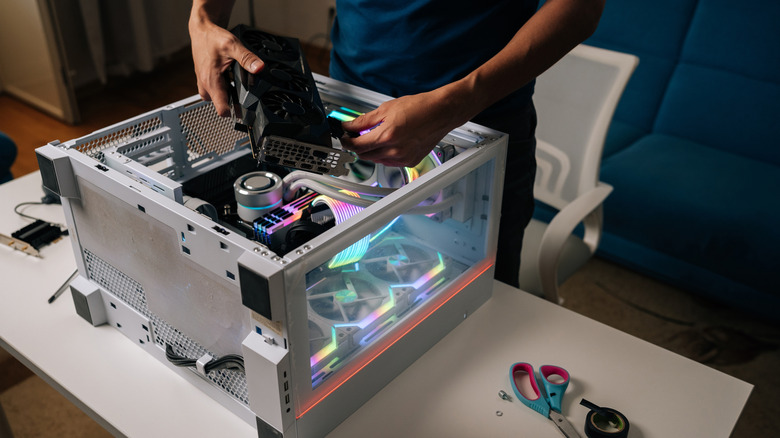
Building your own PC used to be the go-to choice for those looking to customize their computing experience. Instead of settling for a prebuilt machine, enthusiasts could hand-pick each component to suit their specific needs. Whether it was a faster GPU, a more modest CPU, or a preference for a particular brand, the flexibility of DIY builds allowed users to tailor their machines precisely. In the end, this approach resulted in a system that met individual requirements without unnecessary expenses.
For many years, this flexibility was the main selling point of DIY PCs. It was also a cost-effective way to build a machine, allowing users to prioritize components like gaming performance or increased storage based on what mattered most. Those on a tight budget could mix mid-range parts to create a system that offered good enough performance for most modern games, even if it meant some trade-offs.
However, the landscape changed significantly in 2026. The surge in demand for memory chips and other components to support AI infrastructure caused a shortage of RAM, leading to skyrocketing prices. This affected not only DDR5 but also older DDR4 kits, which were once popular for budget-friendly builds. GPUs and SSDs followed the same trend, making it more expensive than ever to build a PC.
The New Cost Reality
The major issue facing DIY PC builders now is the unprecedented demand for memory chips and other components driven by AI infrastructure. This has pushed RAM prices to levels that would have been unimaginable just a year ago. While DDR5 was the most affected, GPUs, SSDs, and even DDR4 kits have seen similar price hikes. For gamers, 32GB of RAM is essential for running modern titles smoothly. However, in 2026, a 2x16GB memory kit can cost over $300, a significant jump from the $100 to $130 range in early 2025.
This trend has made the math for building a budget-friendly PC increasingly challenging. According to PCWorld, a solid gaming build that once cost under $1,000 now approaches $1,250, not including the cost of an operating system license. While the used parts market might offer some bargains, such as a good GPU, even these prices are rising, and there's a risk of purchasing defective components.
Prebuilt PCs: A Better Deal?
Prebuilt PCs now have an advantage that most DIY builders cannot match. Large manufacturers buy components in bulk and had stocked up before the price spikes. As a result, retailers like Costco offer prebuilt PCs with solid specs at prices that are difficult to replicate through individual purchases. For around $1,000, you can find builds with 32GB of DDR5, a decent GPU, and other quality components from brands like CyberPowerPC.
Of course, there are trade-offs when buying a prebuilt PC. Most of these machines come with hardware that offers limited room for future upgrades. If you're looking to upgrade the GPU or RAM, you might find it difficult due to proprietary motherboards and limited power supplies. Ultimately, upgrading these systems often requires significant changes, which can end up costing as much as a DIY build — or more.
Alternative Options
If you're not looking to use a PC for anything beyond gaming, consoles are also a viable option. For example, a PS5 or Xbox Series X can play most available games at decent settings, all at a fraction of the current cost of a PC.

Posting Komentar untuk "Is Building Your Own PC Still Cheaper in 2026?"
Please Leave a wise comment, Thank you