
How the Middle East War Shook the World's Largest Phone Show
The Impact of Conflict on a Global Tech Conference
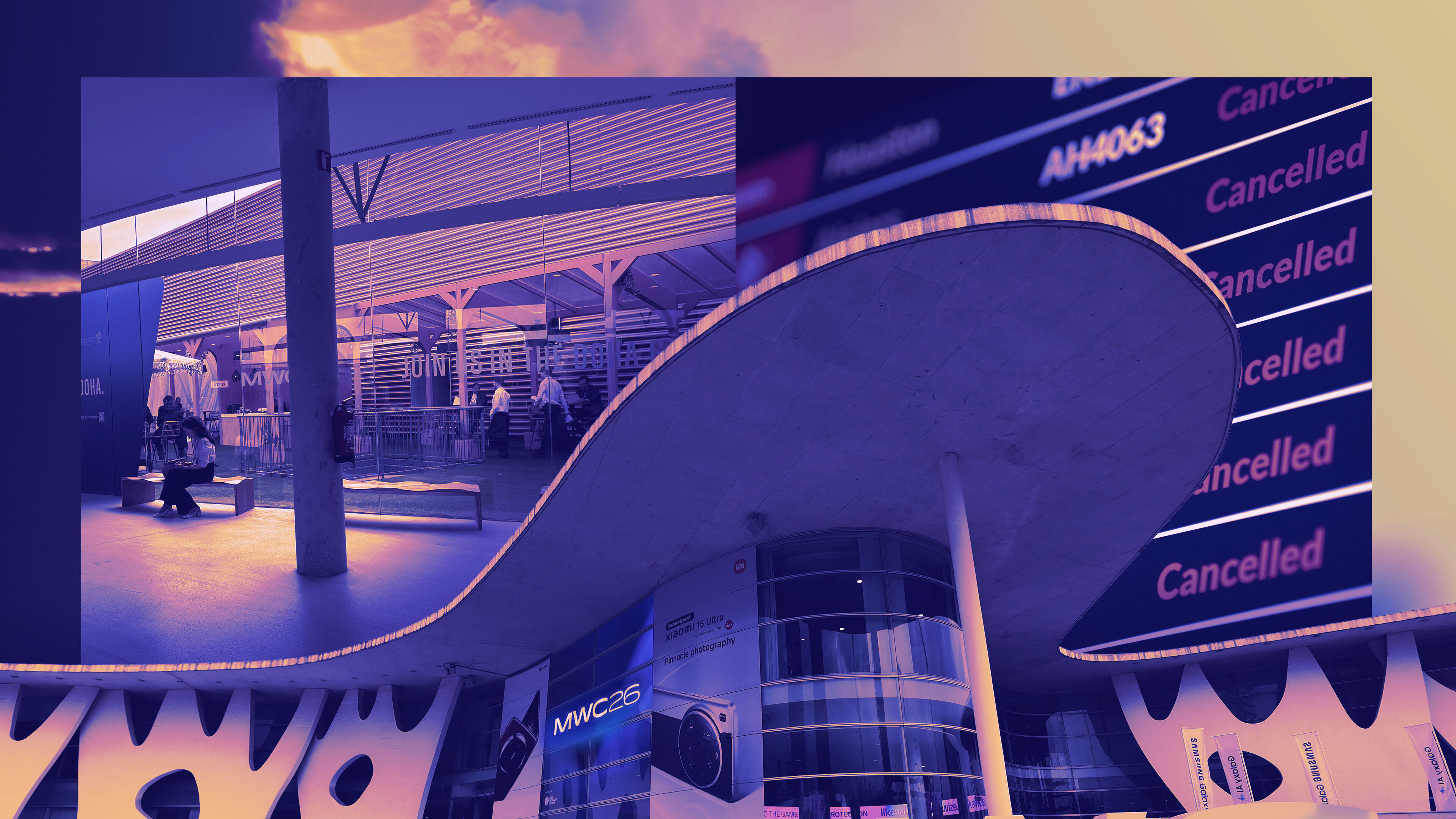
On a Tuesday during the Mobile World Congress 2026, three industry experts participated in a panel discussion about smart glasses and extended reality technology. However, a fourth panelist, based in Dubai, was unable to attend the conference due to the ongoing conflict between the US, Israel, and Iran. Two days prior, airborne attacks were launched against Iran, leading to flight cancellations across the Middle East.
Even in Barcelona, located on the western edge of the Mediterranean Sea, MWC was affected by the conflict. While the events and meetings at the world's largest mobile tech conference continued as planned, there was an undercurrent of anxiety among attendees. Notable absences were observed, with some booths left empty and scheduled meetings between absent participants not taking place. Exhibitors noticed a reduced presence from Middle Eastern companies, highlighting the far-reaching impact of the conflict.
The war had only just begun when MWC took place, but it had already altered the experience for many attendees. Despite being thousands of miles away from the fighting in the Middle East, the war’s effects were deeply felt within the conference, which is meant to bring people together.
Financial and Emotional Costs of War on a Tech Conference
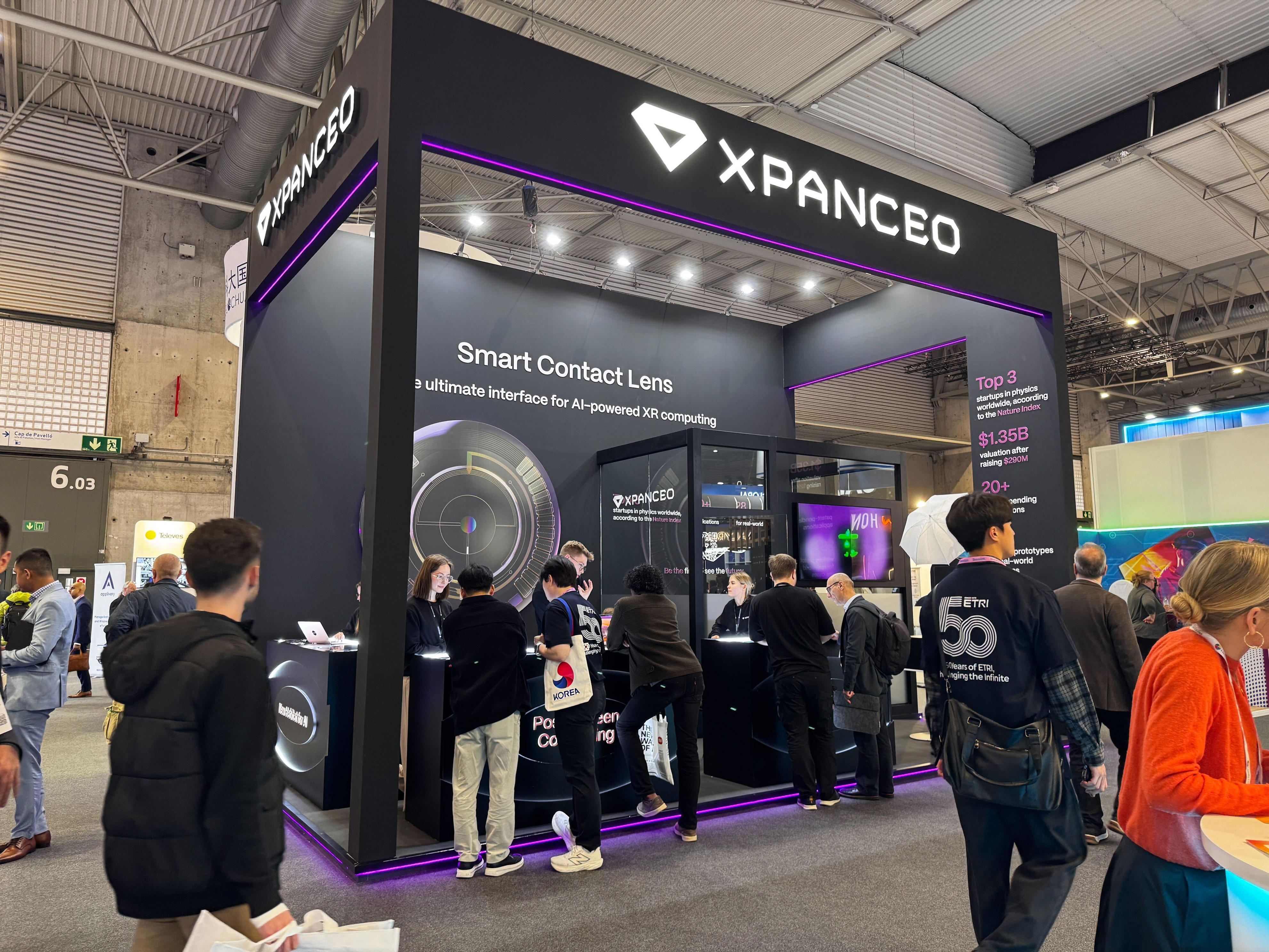
One of the panelists who did not make it to MWC was Roman Axelrod, cofounder of Xpanceo. He was set to discuss the company's smart contact lenses, which were intended to be showcased in prototype form at the event. However, neither Axelrod nor the samples made it out of Dubai, where the company is based. Attendees who passed by Xpanceo's booth were greeted by employees who had flown in from other locations and offered video demonstrations of the technology that was supposed to be displayed.
Valentyn S. Volkov, co-founder and CTO of Xpanceo, also did not attend MWC. The company chose Dubai as its headquarters due to its stable jurisdiction and central location, but the country falls within the airspace of the current conflict. As a result, businesses are facing financial losses, especially from opportunities at MWC.
"We already kind of lost, I would say, a significant amount of resources — physical, mental, scientific resources — simply because we could not get everyone to Barcelona," Volkov said. He remained in good spirits during a Zoom call from Xpanceo's booth, noting that local authorities in Dubai were providing "logistic safeness."
Volkov spoke about the smart contact lenses the company is developing, which could offer heads-up display information and even health data like glucose levels. These prototypes were meant to be shown for the first time at MWC, but the conflict prevented that. Thanks to modern network technology, Volkov and the reporter were able to have a virtual conversation, but the loss of in-person interaction was evident.
Stranded at MWC, Return Unknown
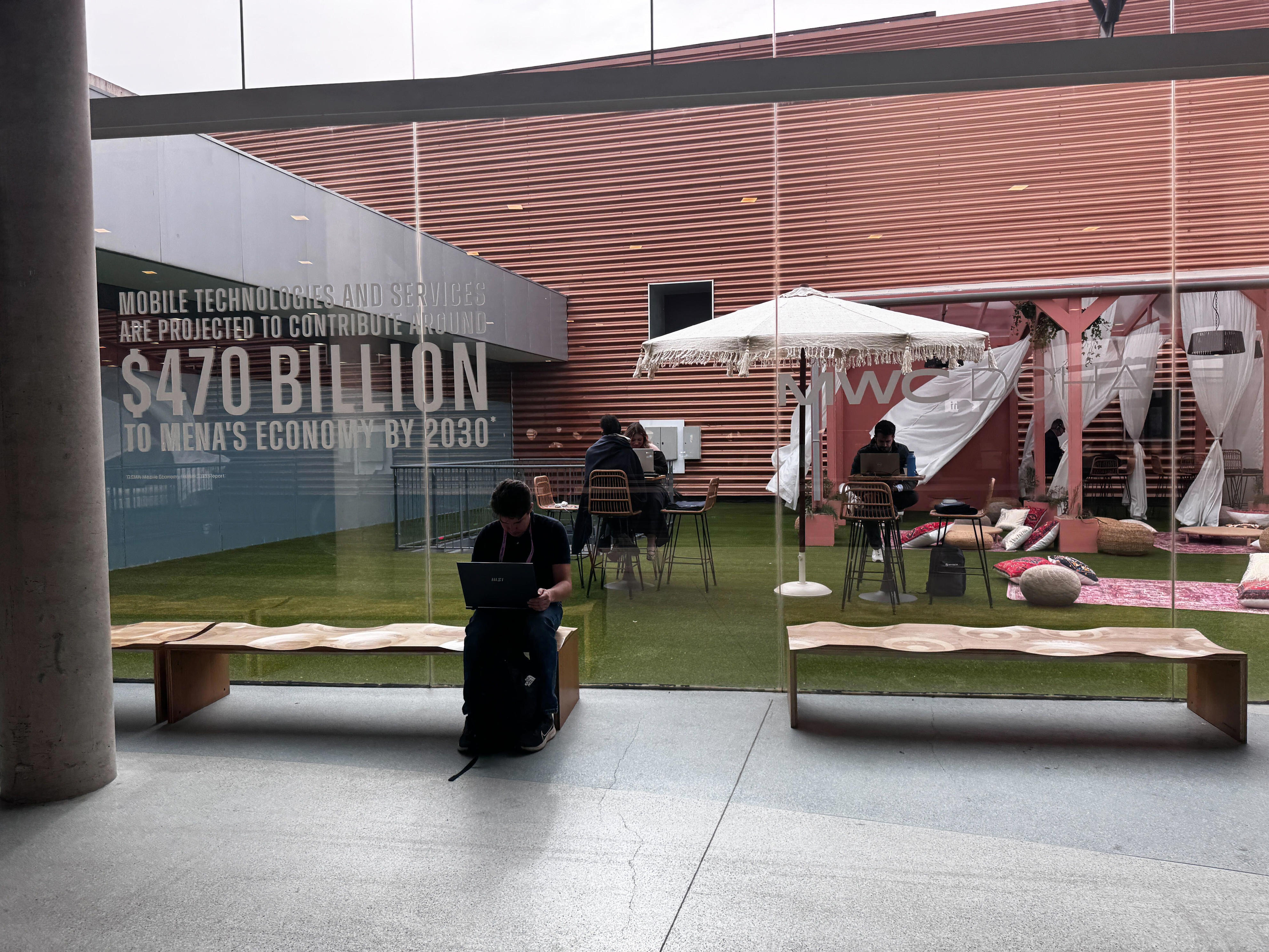
Said Saidi, an exhibitor at the show, shared his experience of being stranded at MWC. He was in constant communication with his family back in Dubai, though he had no clear idea of when he would be able to return home. A resident of the United Arab Emirates for 19 years, Saidi was comforted by the ability to speak with his family regularly, who were safe and living peacefully.
He noted that reports of people being stuck without accommodation in the UAE were false, as the government and hotels provided free stays for stranded travelers. Saidi caught an early flight to Barcelona on Friday, but most Middle Eastern exhibitors usually fly out on Sunday. By then, commercial flights from the area were largely grounded following the initial strikes by the US and Israel.
The impact of the air travel blackout was stark, with a near-zero presence of Middle Eastern attendees on the show floor. Saidi explained that while he made it to MWC, many of the meetings he was supposed to have with peers from other Middle Eastern companies had to be canceled or held online, resulting in a loss for all involved.
Waiting for the Limbo to Lift, But the Impact Remains
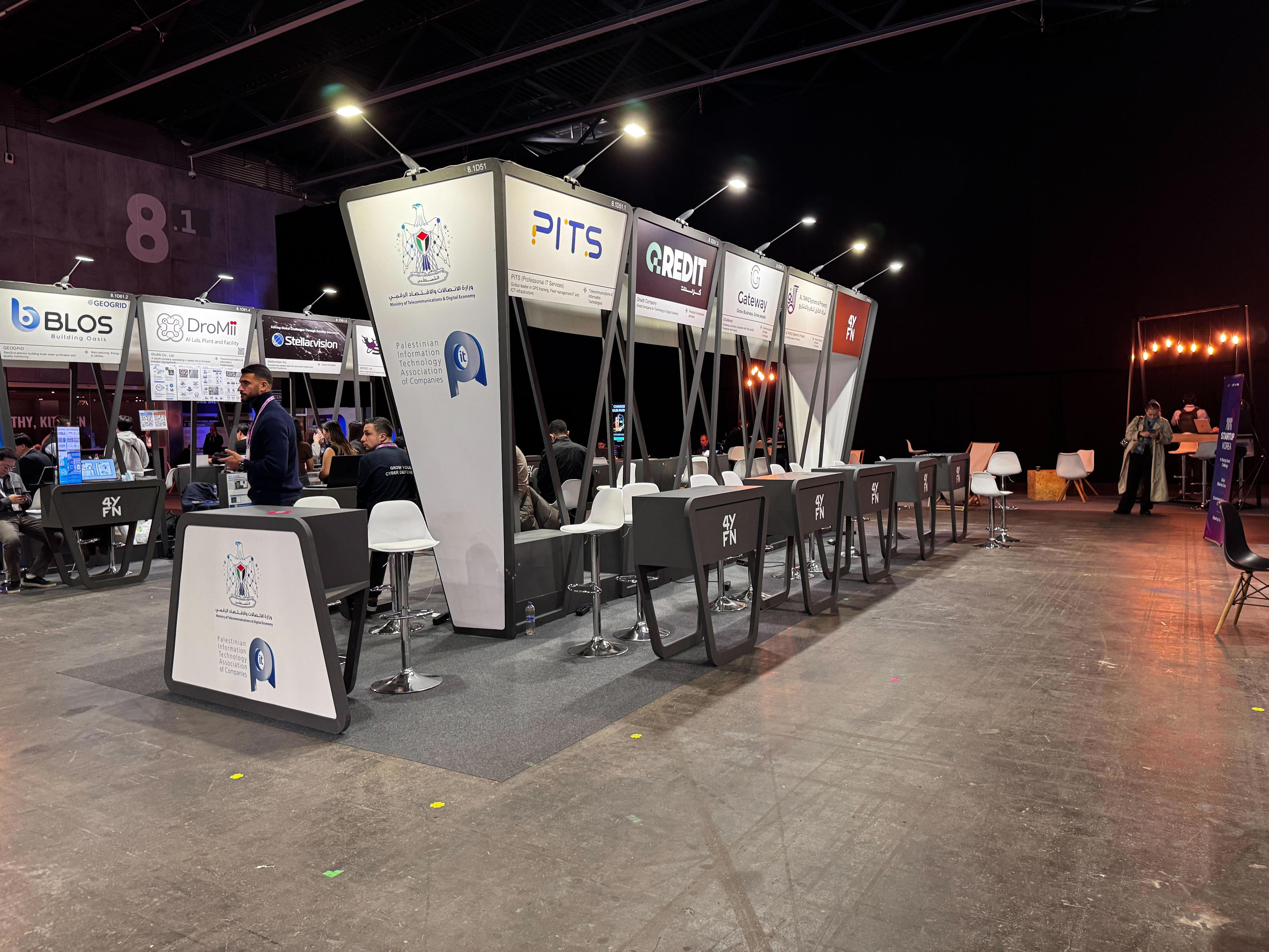
During three days of exploring the MWC show floor, the absence of Middle Eastern attendees was particularly noticeable. In the startup area, 4YFN, only two booths were manned out of what was supposed to be seven, with the rest of the representatives unable to fly to the show. The representatives who were present declined to comment for this story and were unsure when they would be able to return.
Saidi, too, had no expectations for when he might be able to return home. While he felt relaxed knowing his family was safe, he had no idea when he would be able to rejoin them. From Dubai, Volkov expressed more optimism, hoping the situation would stabilize within a week. If not, his company would be prepared for a prolonged issue, continuing work remotely in the meantime.
The war is likely to have an impact on the mobile industry beyond MWC. Analysts have adjusted their projections for 2026 phone sales, expecting a 13% drop over the year. This is attributed to factors such as RAM shortages and supply chain disruptions caused by the conflict.
A Poignant Moment for the Mobile Industry
Despite the challenges, MWC was filled with excitement about emerging trends in the mobile industry. Companies showcased AI agents and other applications of generative AI, while satellite companies highlighted increased connectivity beyond traditional cell networks. For attendees, the show is an opportunity to discover what's coming next for phone owners.
However, the conference also served as a reminder of the human impact of global conflicts. Even in a bubble of innovation and enthusiasm, the effects of war can disrupt lives and change the course of events. As the mobile industry looks ahead, it is important to remember the real-world consequences of such conflicts.
Posting Komentar untuk "How the Middle East War Shook the World's Largest Phone Show"
Please Leave a wise comment, Thank you