
Are 3D-Printed Guns Truly Untraceable? New Study Reveals Shocking Truth
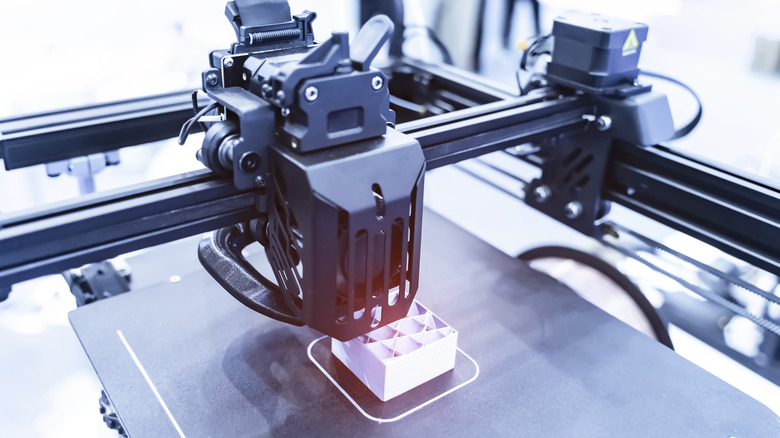
Criminals have long sought to conceal their illegal activities, particularly when firearms are involved. This trend continues into the modern era, where 3D-printed weapons are now emerging as a growing concern. In response, California has proposed a new law that would require all 3D printers to be equipped with firearm blocking technology to prevent the creation of "ghost guns." These weapons were once thought to be untraceable, but recent research challenges this assumption.
A study published in the journal Forensic Chemistry by a team of researchers suggests that 3D-printed weapons may not be as difficult to trace as previously believed. The four-member research group discovered that certain polymers used in the printing process can exhibit detectable differences. These variations arise from additives in the materials and differences in manufacturing processes. For example, a weapon made from Polylactic Acid (PLA), a common 3D-printing plastic, could have unique chemical signatures that distinguish it from other PLAs produced by different companies or through different methods.
However, it is important to recognize that this discovery is still in its early stages. While the findings represent progress, researchers have not yet developed a method to fully trace a 3D-printed weapon back to the individual who purchased the materials. Traditional tracing methods, such as ballistics, remain just as ineffective as before. More time and further research will be necessary before this new technology can be fully refined.
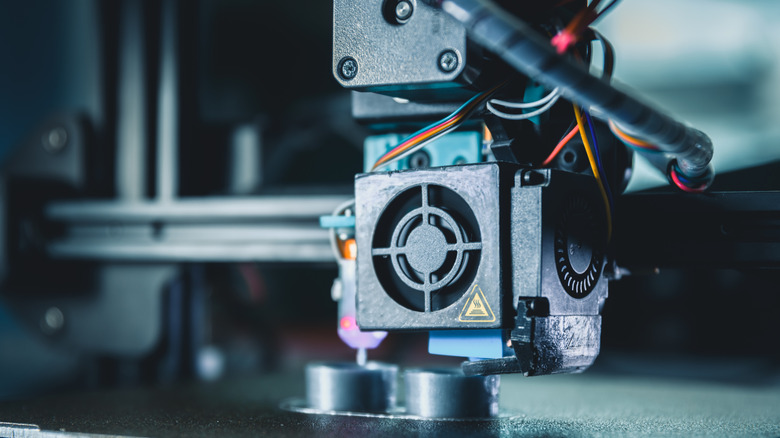
Despite the lack of public comments from major law enforcement agencies on the 2026 study, the need for better tracing methods is evident. According to USAFacts, the number of Privately Made Firearms (PMFs) recovered in the U.S. between 2017 and 2021 increased by over 1,000%, rising from 1,629 to 19,273. PMFs include 3D-printed weapons, which are more challenging to trace due to the absence of serial numbers.
The availability of design files for 3D-printed PMFs has also been increasing. Everytown for Gun Safety reported that easily accessible file repositories like GitHub and Google Drive hosted more than 1,000 unique files across 2,100 different locations in 2023 alone. These files contain the blueprints needed to physically print the weapons. Their widespread availability contributes significantly to the problem, as there is often little barrier between these files and the users who download them.
Currently, there is no federal law that prohibits individuals who are legally allowed to own a gun from making one for personal use, including a 3D-printed PMF. However, state laws vary, and creating such a weapon in states like California can lead to legal consequences. A key point is that federal law requires firearms to contain enough metal to be detectable by a metal detector. Fully plastic PMFs would violate this regulation, making their sale, whether through a licensed dealer or not, illegal.
For those interested in staying updated on the latest developments in technology and automotive trends, subscribing to a free newsletter offers access to the most recent headlines, expert guides, and how-to tips. Additionally, users can add this source as a preferred search option on Google.
Posting Komentar untuk "Are 3D-Printed Guns Truly Untraceable? New Study Reveals Shocking Truth"
Please Leave a wise comment, Thank you