
3 Pros and 2 Cons of Swapping Your TV for a Projector
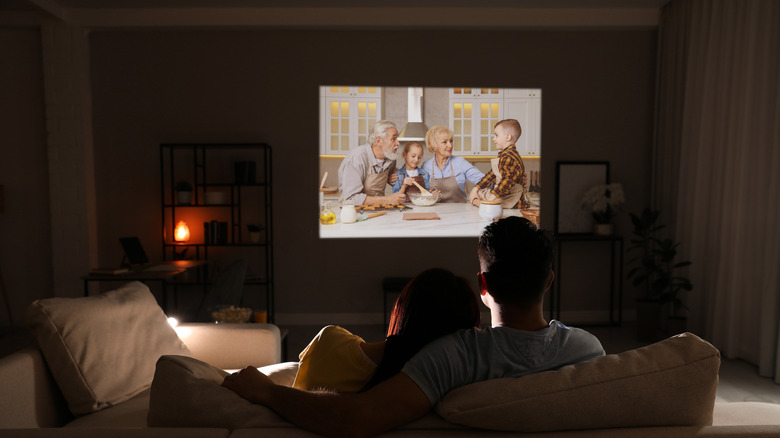
When it comes to enhancing your home entertainment experience, TVs and projectors are two of the most popular choices. Both offer unique benefits, but choosing between them can be a complex decision. Whether you're looking for an immersive cinematic experience or simply want to upgrade your living room setup, there are several factors to consider before making a purchase.
Pros of Choosing a Projector
Screen Size
One of the most significant advantages of using a projector is the ability to achieve a much larger screen size than what is typically available with traditional TVs. While large TVs in the 90-inch range are becoming more common, they still have limitations when it comes to sizes beyond that. For example, TVs over 100 inches are rare and often come at a steep price.
Projectors, on the other hand, can easily produce images that are 100 inches or larger, with some models capable of projecting up to 200 inches. This makes them ideal for those who have ample space and want a true cinema-like experience at home. Additionally, projectors are more portable than large TVs, which can be cumbersome to move or reposition.
Cost
Another major benefit of projectors is their potential cost-effectiveness, especially when considering larger screen sizes. High-end TVs in the 90-inch range can cost thousands of dollars, while projectors offer a more affordable alternative without sacrificing quality. There are projectors available for under $3,000 that deliver excellent visual performance, and even models priced under $1,000 can provide impressive results.
Moreover, combining a projector with a screen can further enhance the viewing experience. Screens range from budget-friendly options starting at around $130 to high-end mechanized setups that exceed $2,000, giving users flexibility based on their budget and needs.
Available Space
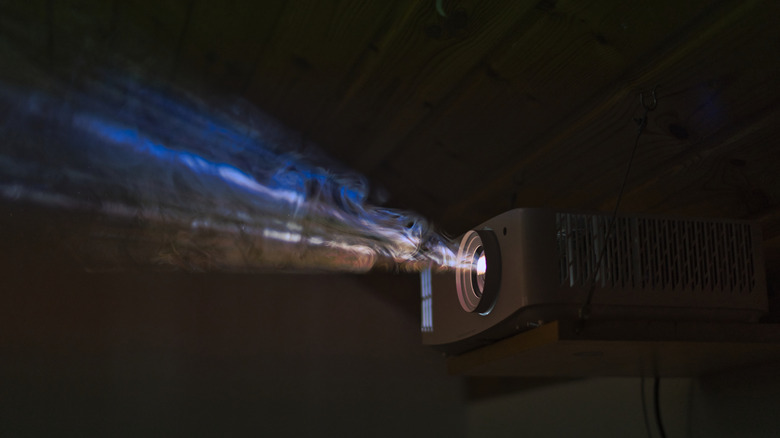
Projectors also offer a practical solution for those with limited space. TVs, especially large ones, can take up a significant amount of room and may interfere with furniture placement and decor. A projector, however, can be mounted on the ceiling or placed on a table, freeing up valuable floor space.
Short-throw projectors, such as ultra-short-throw (UST) models, are particularly useful in smaller rooms since they require minimal distance from the wall or screen. Even traditional projectors, when properly installed, can leave plenty of room for other elements in the viewing area.
Cons of Choosing a Projector
Brightness and HDR Limitations
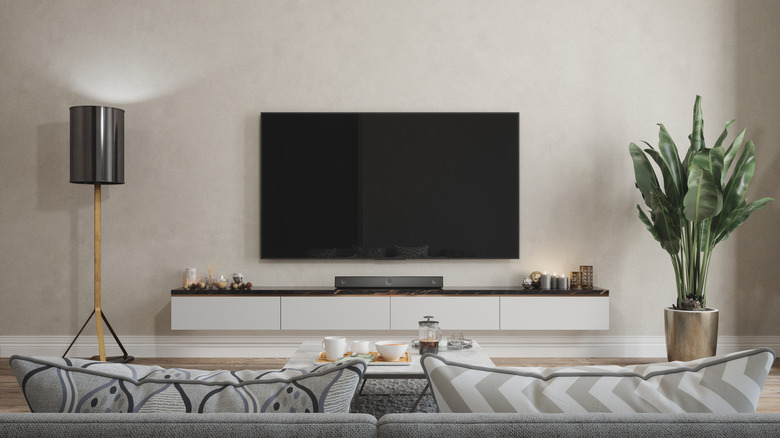
While projectors can deliver stunning visuals, they often fall short when it comes to brightness and HDR support compared to modern TVs. TVs equipped with technologies like Mini LED, local dimming, and quantum dots can achieve extremely high brightness levels, making them ideal for use in well-lit environments.
Projectors, on the other hand, rely heavily on ambient lighting conditions. Without a screen designed to absorb ambient light, it can be challenging to view content during daylight hours. Additionally, some projectors may not support all HDR formats, which can limit the quality of content you can watch, especially if you're a dedicated viewer of 4K UHD Blu-rays or streaming services like Amazon Prime Video and Netflix.
Audio
Audio is another area where projectors may not match the capabilities of TVs. Most projectors come with built-in speakers that are not designed for optimal sound quality, especially when positioned at the back of the room. This can result in poor audio direction and clarity for viewers seated in front.
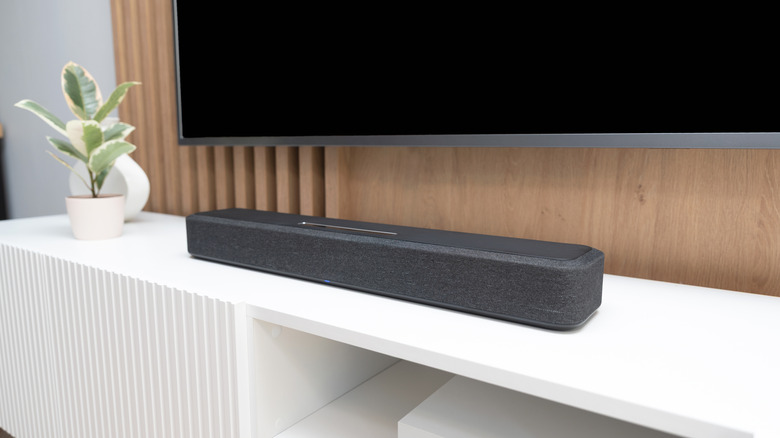
To address this issue, many users opt for external sound systems such as soundbars or surround sound setups. However, this adds to the overall cost and complexity of the installation. TVs, by contrast, often have better connectivity options for audio devices, including wireless Bluetooth support, making it easier to pair a soundbar or other audio components.

Posting Komentar untuk "3 Pros and 2 Cons of Swapping Your TV for a Projector"
Please Leave a wise comment, Thank you