
The GNX That Made Me Realize Clones Are Superior
I might lean towards Mopar first, but I'm not a stubborn traditionalist. I have a respect for all classic cars, no matter the brand. That being said, nothing outside of the Chrysler family grabs my attention quite like the GM G-bodies. More specifically, theBuick GNXhas always been a car i have dreamed of.
The Buick Grand National initially grabbed my attention as a teenager, and I've desired to own one ever since. I came somewhat close when I opted for an '86 Cutlass equipped with a 350 Rocket engine, but that never truly satisfied the craving. Since then,my '69 Charger has been a main focus,and I haven't had much time to seriously think about adding another classic to my collection. When I came across a real GNX for the first time last month, the desire to own an '80s Buick returned in full force.
A significant reason why GM G-bodies were so attractive to me was their affordability 15 years ago. The fact that this GNX is now selling for well into the six-figures made me realize how much has changed over time. Although it can be frustrating to know I'll never own the genuine article, there's still some hope left.
The History of the Buick GNX
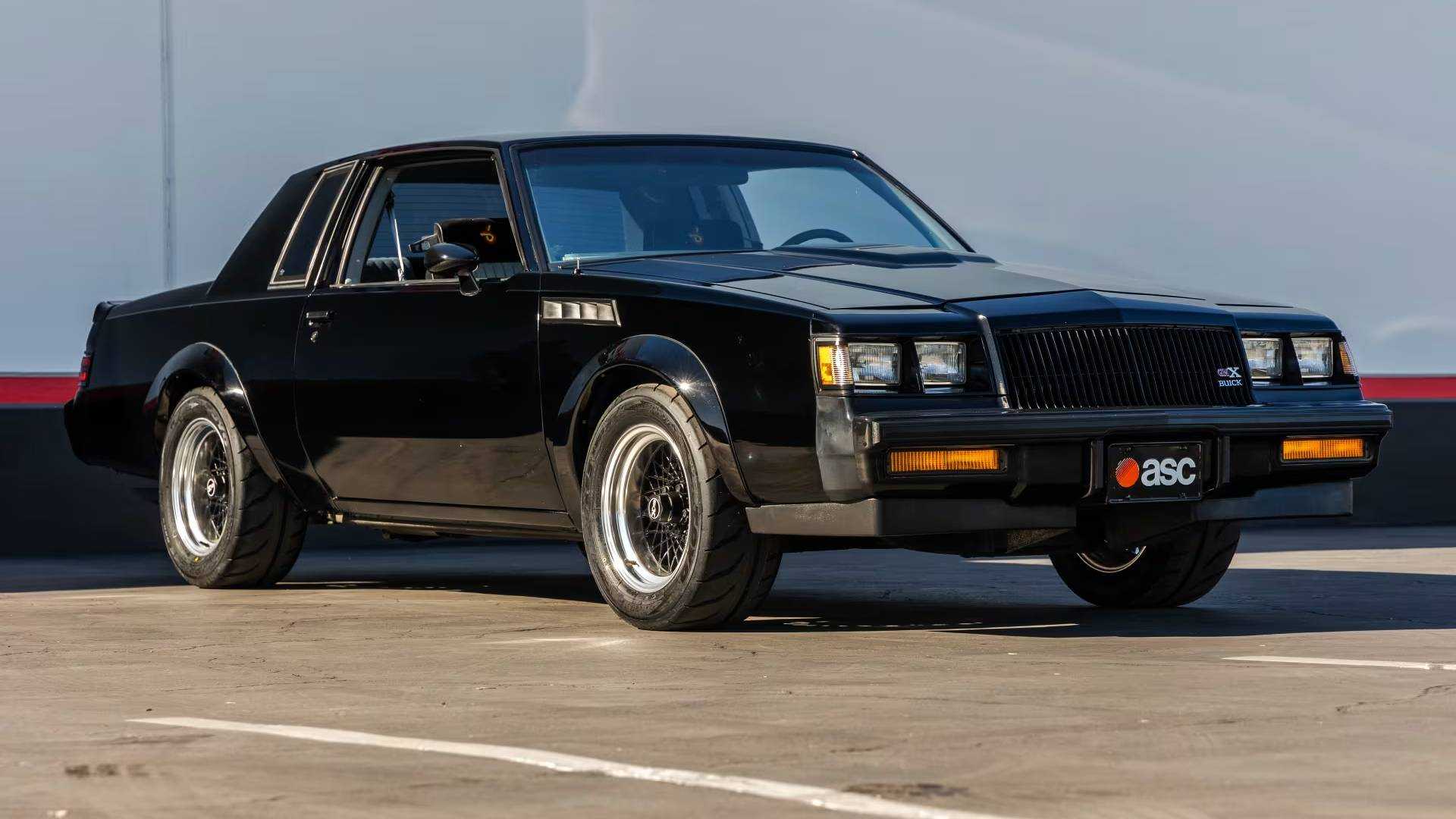
The Buick Grand National emerged from what was arguablythe most difficult period for muscle cars.It was the middle of the 1980s, and emission standards nearly eliminated high-performance V8 engines. However, these challenges proved to be a fortunate turn of events. They pushed engineers to break free from conventional thinking and discover innovative methods for creating a high-speed vehicle. The outcome was a turbocharged 3.8-liter V6 that transformed the Grand National into an unexpected champion.
Although the original package was impressive, Buick aimed to conclude the line with a memorable finale. In 1987, the last year of production, 547 Grand Nationals were sent to ASC/McLaren, who transformed them into legendary vehicles.
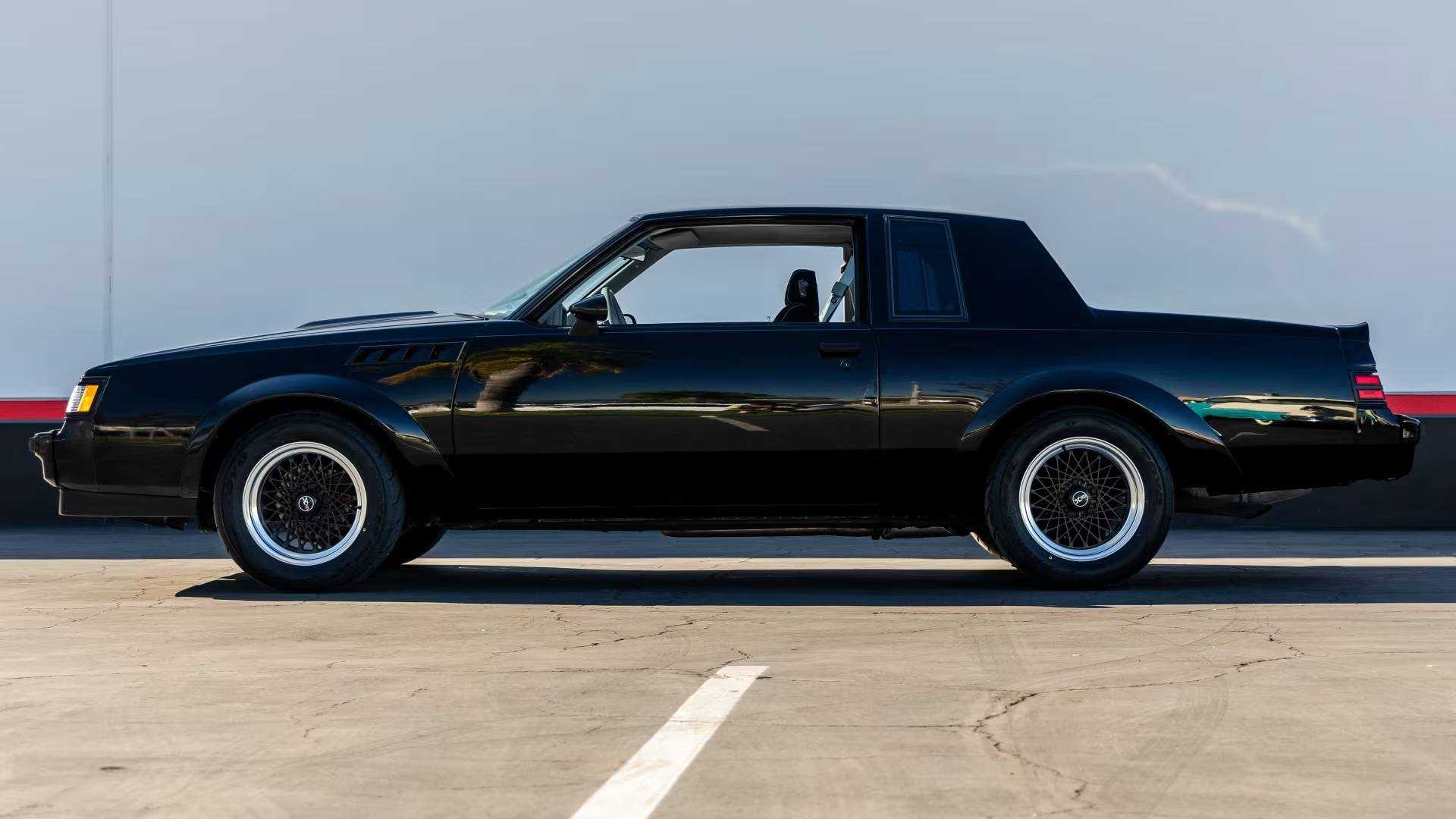
The GNX received multiple enhancements compared to the standard Grand National. The engine was improved with enhanced heads and larger turbos. The suspension was modified, and a rear torque bar was included to transfer power effectively to the road. Larger wheels and tires were installed to enhance grip. Functional fender vents and widened wheel arches were incorporated to create a more rugged look.
'GNX' stands for Grand National eXperimental. The name, combined with all the previous hardware improvements and distinctive black paint scheme, created an aura that was unmatched by any other vehicle in history. The fact that itperformance elevated it to a global threat is a massive bonus.
Hail to the 3.8-Liter Turbocharged V6
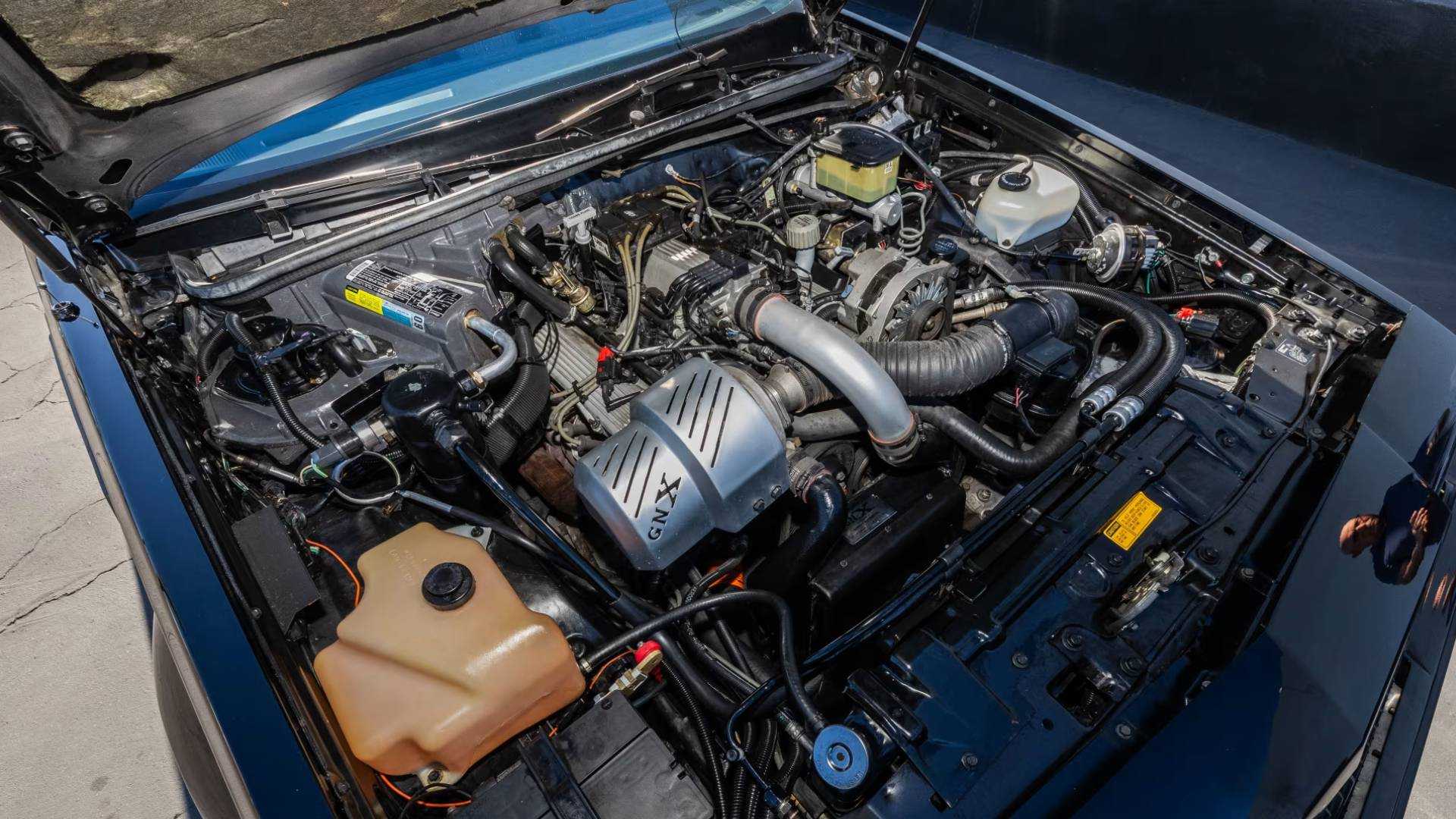
The GNX demonstrated that there is indeed an alternative to large engine displacement. Instead of using a 5.0-liter or 5.7-liter V8 like other GM vehicles, it had a compact 3.8-liter V6 that delivered impressive performance. So strong was its power that it even made the Corvette seem inferior, something the executives had always tried hard to avoid.
The standard Grand National was able to produce 245 horsepower and 355 lb-ft of torque. It could go from 0 to 60 mph in roughly 4.9 seconds and complete the quarter-mile in 13.8 seconds. These are solid figures, but the GNX surpassed them. Featuring a larger intercooled turbo and improved-flowing heads, the GNX's 3.8 was equipped witha conservative rating276 horsepower and 360 lb-ft of torque. The 0-60 acceleration has been increased to 4.7 seconds, with a quarter-mile time of 13.4 seconds.
The GNX earned the moniker "Corvette Killer" due to its superior speed compared to factory models, becoming the fastest production car in the U.S. that year. This placed it among global giants, and it performed well. The black vehicle could outpace the lightweight Porsche 911 in a quarter-mile. Although those cars are designed with more than just top speed in mind, it's still remarkable to consider what Buick achieved.
A Special Tale Meant for Enthusiasts
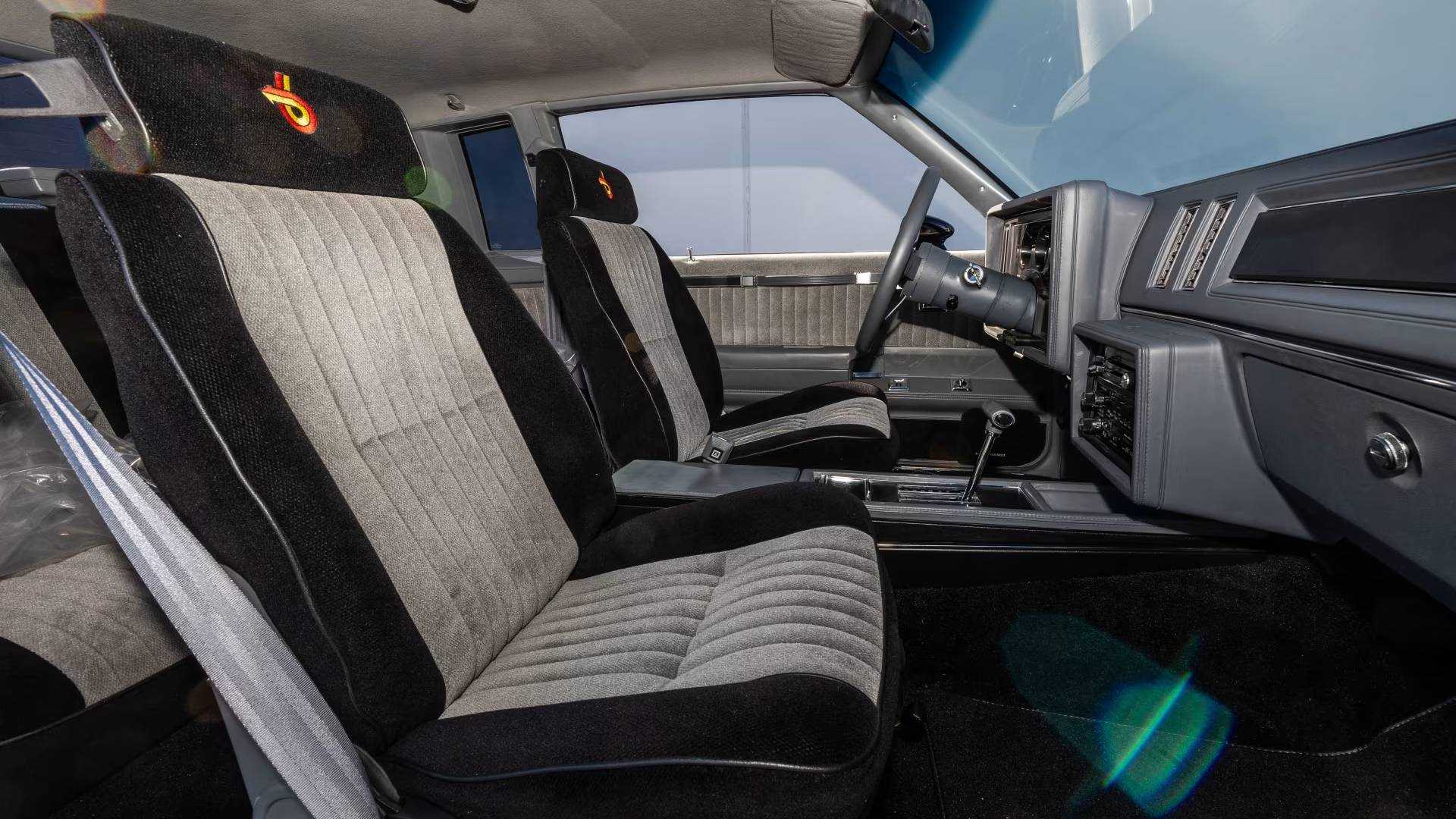
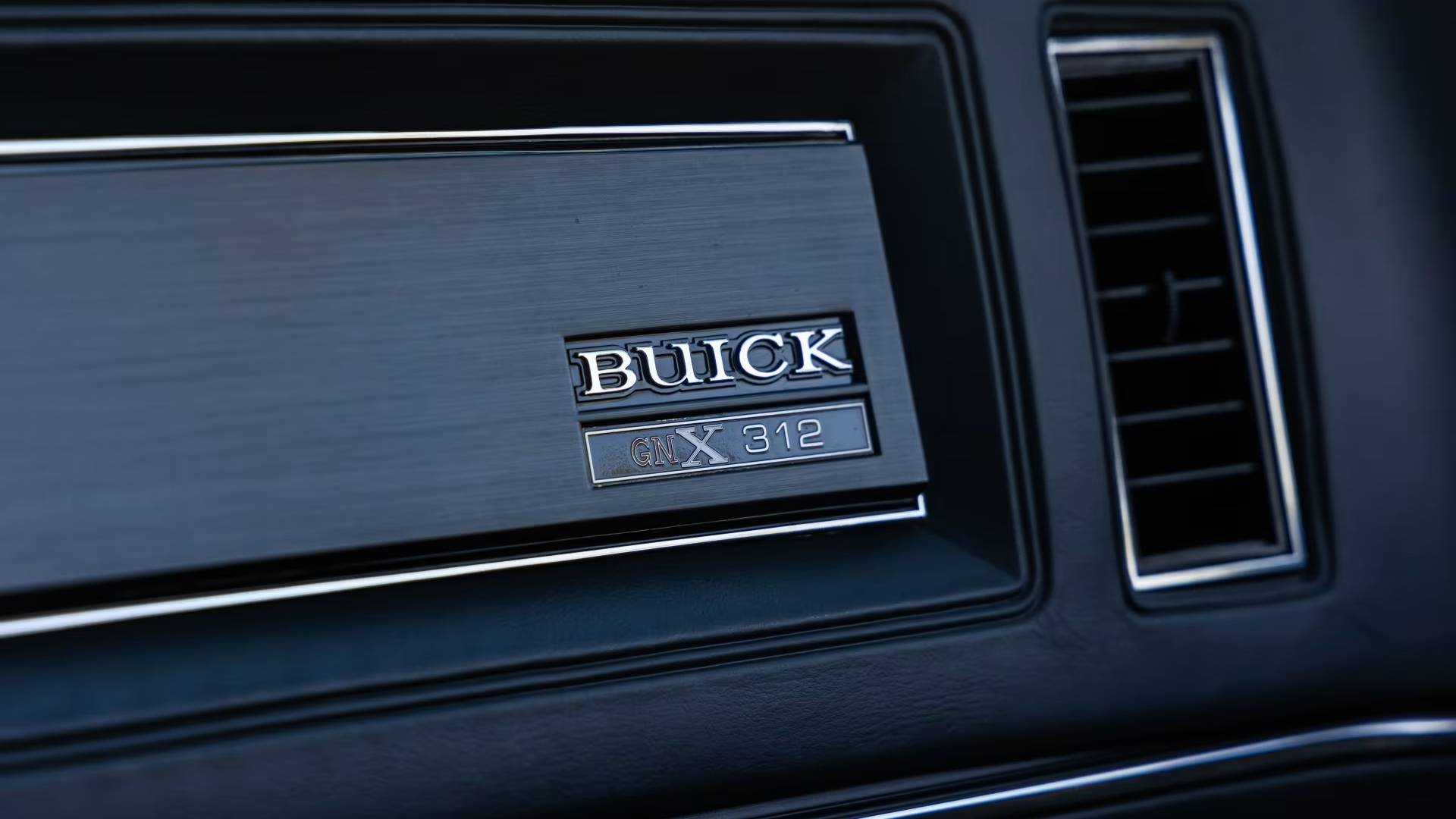
The Buick GNX I came across was the 312th out of 547. It was sold for $192,500 at Mecum Kissimmee in January 2026. That's a staggering amount to take in, but it's actually quite typical. As reported by Classic.com,The standard cost for these vehicles is $196,264.The top recorded sale occurred in 2022, when a GNX with only 568 miles was sold for $308,000 at Barrett-Jackson Scottsdale.
Although such figures are impressive, they can be disheartening for those new to the automotive world. It's always disappointing to witness your dream car being sold for a price you never thought you'd pay. However, this is something you eventually get accustomed to. Even as a child, GNX models were selling for substantial amounts. For instance, one was sold for $104,500 in 2014, equivalent to approximately $145,000 today, which seems reasonable for a vehicle that has only increased in value within the collector's market.
Now for the next difficult thing to accept, evenregular Grand NationalsThey are increasingly gaining in value. The average cost is around $50,000, and as someone who frequently checks the classifieds for these vehicles, you'll find it challenging to locate one in good shape for under $35,000. While that isn't a bad amount for a dream car, is it worth spending this much on something you plan to drive when there's a more affordable option that might be quicker?
A Reminder of the Elements That Make Tributes Exceptional
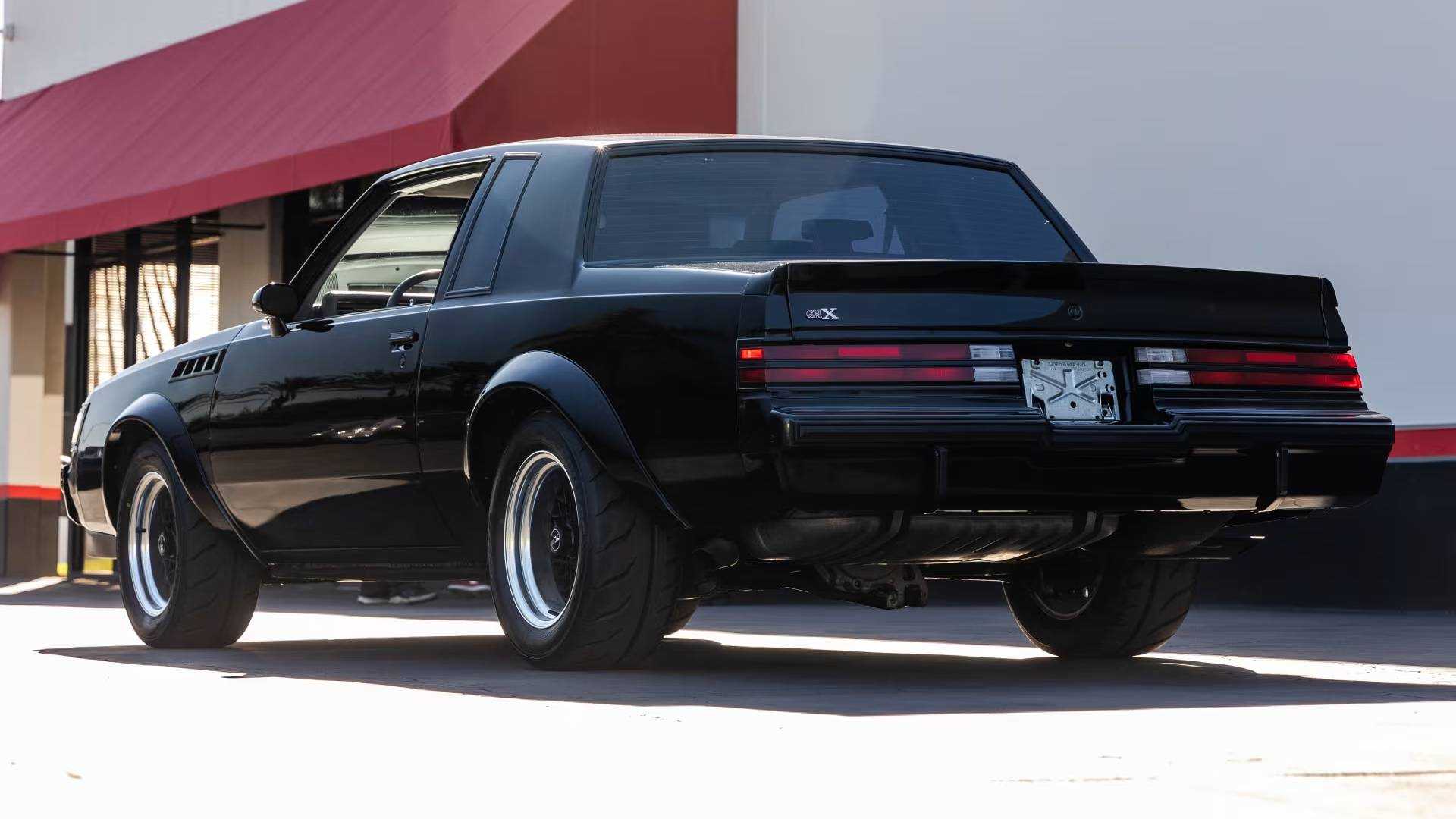
The positive side of realizing you'll never be able to purchase your dream car is that you can create a replica for far less and enhance its performance. Buick produced many Regals during the 1980s, and these vehicles are still available at very low prices. Additionally, you can easily obtain all the necessary components to construct a strong tribute to the Grand National.
Now, here's where I'm heading into trouble. As much admiration as I have for the turbocharged 3.8,you can execute an LS instead.Certainly, it might not possess the same essence, but you can generate significantly more power while remaining invested in the project for less than the cost of an actual Grand National. Additionally, you can easily match or surpass the GNX's performance, all within a vehicle you won't hesitate to drive due to its historical significance.
The GNX Would Always Turn Out This Way
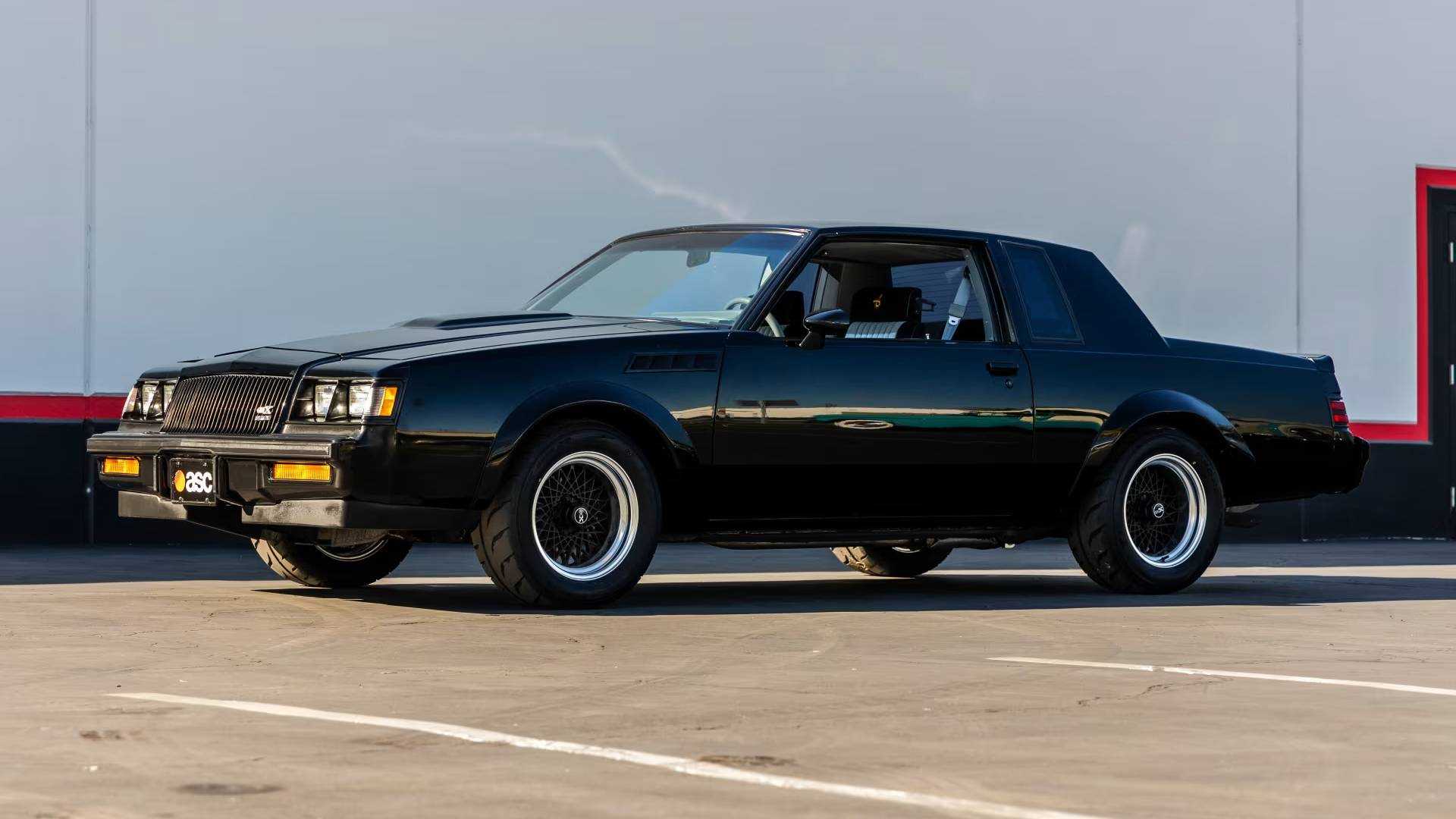
I'm not upset about the GNX being a costly, hard-to-get vehicle, and you shouldn't be either. The price of GNXs has been a topic of frustration for many people lately, but,from the instant Buick chose to manufacture only 547 of them,This is all they will ever be capable of becoming. Therefore, we might as well appreciate the fact that a vehicle we cherish is being honored with numerous examples being kept for future generations to admire as well.
The truth is that high-performance factory vehicles like the GNX mainly act as a standard for hot rodders to aim to exceed. I'm not trying to undermine the achievements of the GNX, but you could construct a significantly more powerful car with a similar appearance nowadays. So, why wouldn't you go for that instead? It's less expensive, allows you to enjoy it without the stress of safeguarding it, and you can still acknowledge the original along the way. Now, some traditionalists might be upset if you don't use the correct engine, but how significant is that really? As long as you don't add the badges, I don't see any problem at all.
Posting Komentar untuk "The GNX That Made Me Realize Clones Are Superior"
Please Leave a wise comment, Thank you