
Tesla's Cybercab launches as the company races toward a driverless future
Tesla has officially transitioned its long-anticipated Cybercab project into the manufacturing stage. The initial unit was produced at Gigafactory Texas, a significant achievement that the company publicly acknowledged as the start of what might be one of the most transformative changes in contemporary automotive history.
For Tesla, this is far more than just a new model. The Cybercab is a vehicle created specifically for self-driving capabilities, rather than an altered version of a current car.
A Simple Vehicle Lacking Conventional Controls
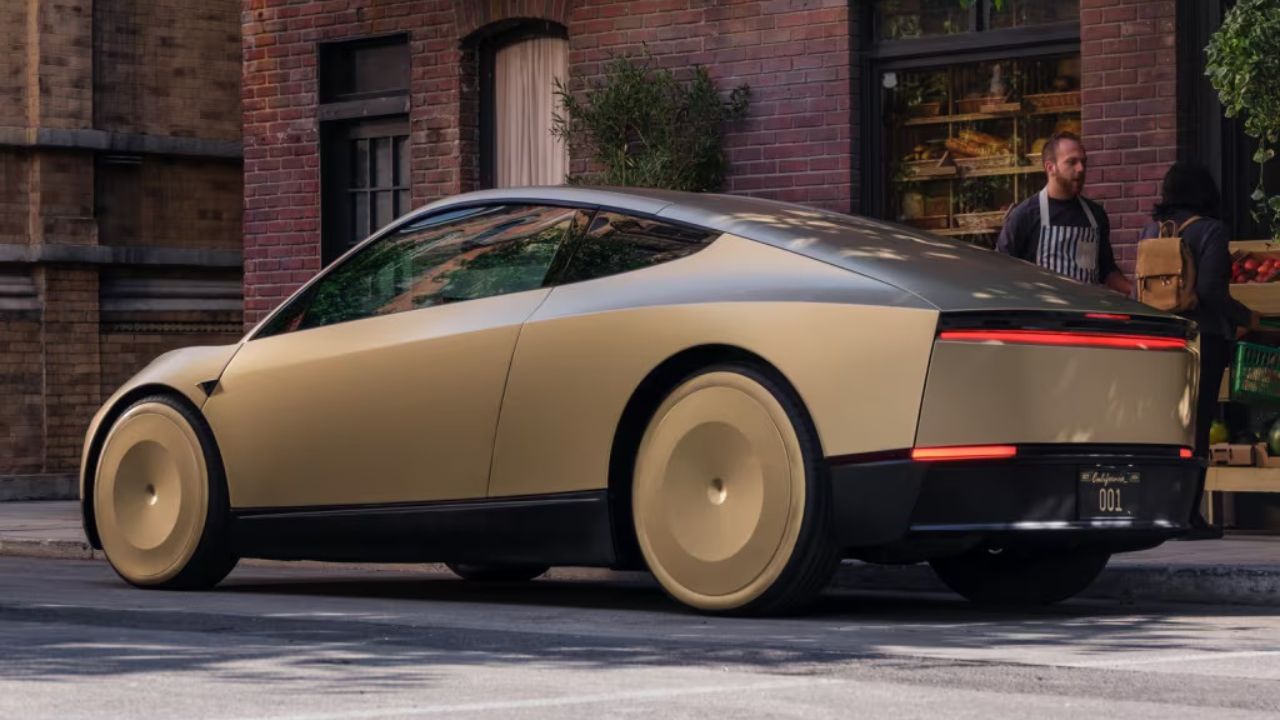
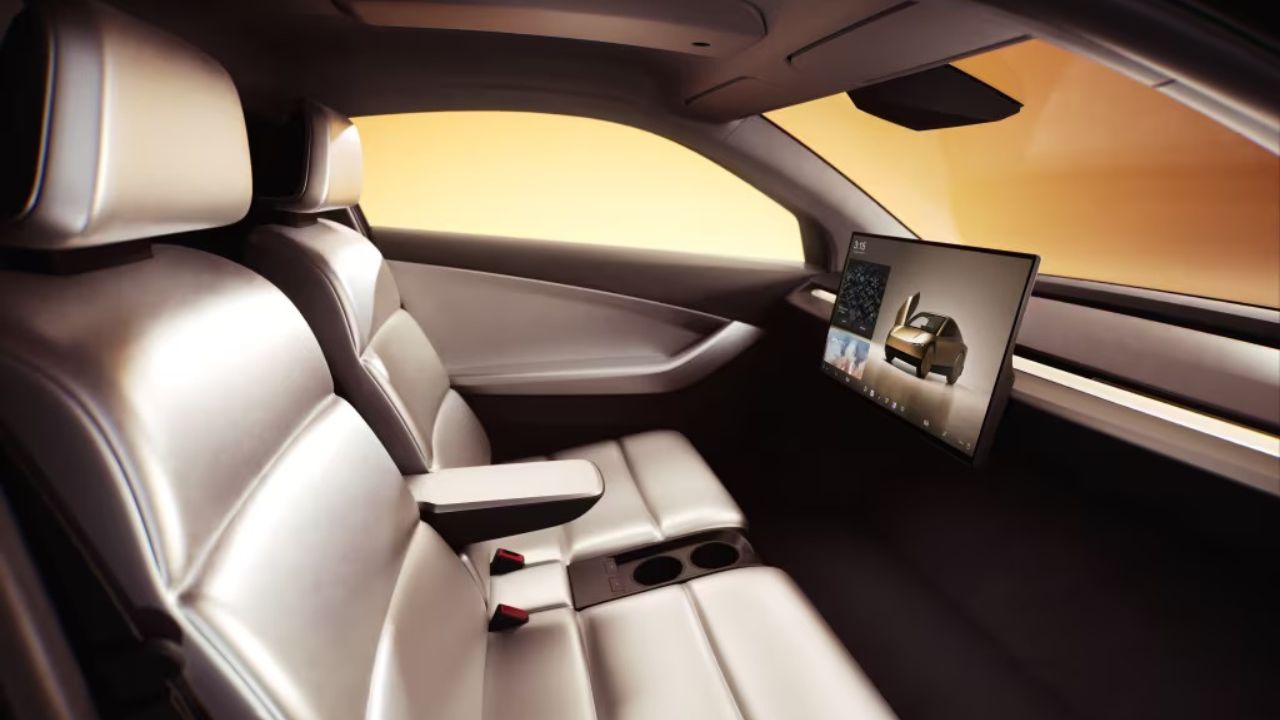
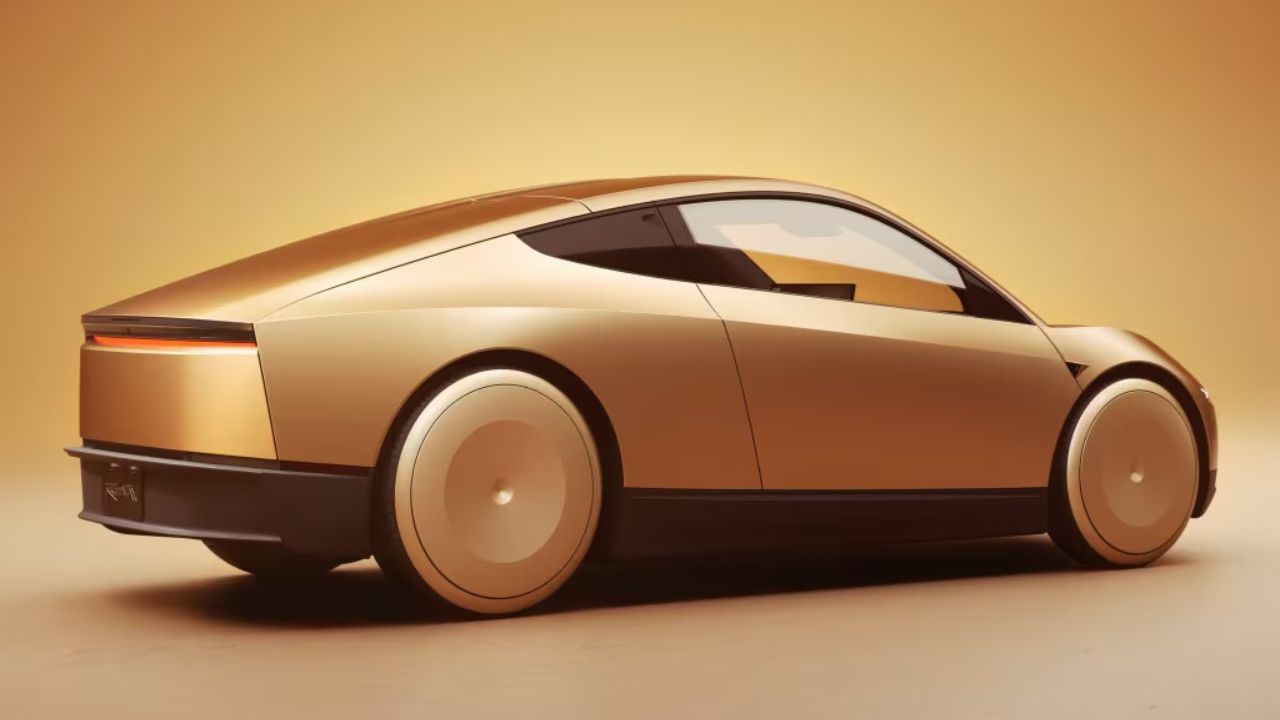
The Cybercab is an all-electric, two-passenger vehicle that does not include a steering wheel or pedals. The interior adheres to Tesla's simple design approach, focusing on a large touchscreen and completely removing traditional driving controls.
In contrast to Tesla's existing robotaxi trials, which use adapted production models like the Model Y and still require human supervision in various scenarios, the Cybercab is designed to function without any manual input. This approach is also what has made it one of the most debated automotive initiatives currently being developed.
The lack of physical controls implies that all functions are managed through software. In real-world scenarios, passengers transfer complete responsibility to the vehicle's self-driving system.
Price and Operational Cost Goals
Elon Musk has consistently highlighted affordability as a key objective. Initial signs indicate that Tesla is targeting a cost of approximately $30,000, with Cybercab intended not as a limited trial but as a widespread transportation option.
Tesla's larger goal is centered around cutting operational expenses to approximately $0.20 per mile, considering energy, insurance, and depreciation. If this target is met, it would greatly transform the financial aspects of city transportation and might lead to self-driving ride services being much more affordable compared to conventional ride-sharing options.
The organization anticipates interest from business clients, such as ride-sharing services, while also mentioning that individual ownership is still included in the strategy.
The Most Critical Issue: Is the Technology Prepared?
Although the hardware is currently in production, the more significant issue is the software's level of development.
Tesla's present Full Self-Driving technology, which has been recently renamed to Full Self-Driving (Supervised), is still classified as a Level 2 driver assistance system. This indicates that a human operator must stay alert and prepared to assume control at all times.
Cybercab, on the other hand, envisions full self-driving functionality without any human control mechanism. Transitioning from driver assistance to total autonomy is a significant technological advancement, something that no leading car manufacturer has yet accomplished on a wide scale in passenger vehicles.
Tesla has already begun restricted autonomous ride testing in Texas, but widespread implementation will rely on demonstrating both technical dependability and adherence to regulations.
Production Starts, but Expansion Will Be Gradual
Even Tesla admits that early production will proceed slowly. Industry experts anticipate that initial output will be restricted as the company verifies its manufacturing procedures and software functionality.
It is reported that mass production is expected to start in the latter part of 2026, although the schedule is still unclear, particularly due to the distinct regulatory issues involved in marketing a vehicle without conventional driver controls.
Other firms involved in robotaxi initiatives, including Waymo and Zoox, have experienced complicated certification procedures for cars lacking steering wheels, indicating that Tesla could face comparable challenges.
A Courageous Gamble on the Future of Transportation
Cybercab is likely Tesla's most daring initiative to date. It takes the company past electric vehicles as personal transport and into the larger concept of transportation as a service.
If Tesla achieves success, the Cybercab has the potential to transform the concept of car ownership, providing mobility without necessitating any driving from passengers. For individuals who are unable to drive, or simply choose not to, this idea offers a new level of autonomy.
At the same time, critics claim that deploying a vehicle that relies entirely on unsupervised autonomy without demonstrating the technology on a large scale is dangerous. The discussion underscores how unique this initiative is compared to conventional car launches.
A New Time, Yet with Care
Tesla has established its image by breaking technological limits, and Cybercab exemplifies this approach. The first vehicle to roll off the production line represents a symbolic move toward a self-driving future, but the true challenge is yet to come.
Hardware can be produced. The more significant challenge will be demonstrating that the software is prepared to handle real-world complexity and safety requirements.
For the time being, the Cybercab represents a preview of how Tesla envisions the future of transportation. Whether this concept turns into a common reality will rely on how swiftly autonomous technology can gain regulatory clearance and consumer confidence.
This piece first was published onAutorepublika.comand has been reprinted with authorization byGuessing Headlights. Machine-assisted translation was performed, followed by manual editing and verification.
Read More- 12 Pickup Trucks That Are Definitely Worth the Cost
- SUVs That Can Last 15 Years or More (No Issues!)
Posting Komentar untuk "Tesla's Cybercab launches as the company races toward a driverless future"
Please Leave a wise comment, Thank you