
Headers vs. Exhaust Manifolds: Performance Showdown
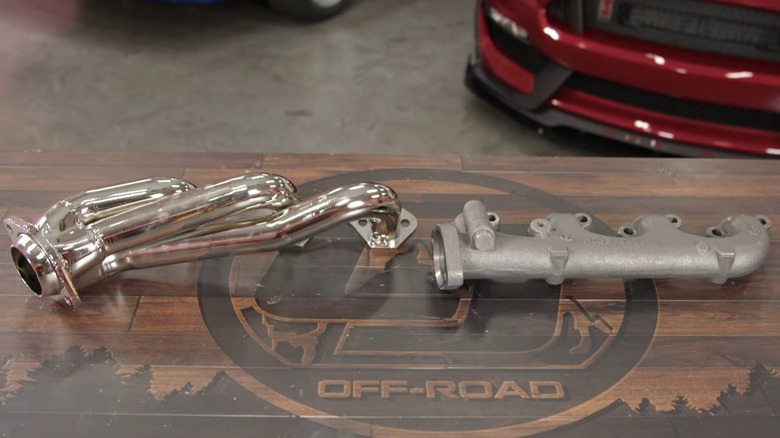
One of the initial actions people often take to enhance their car's performance is upgrading the exhaust system. A common option is replacing the original exhaust manifold with a header, which can indeed provide your vehicle with a noticeable increase in power. However, there are arguments in favor of manifolds as well.
An exhaust manifold marks the beginning of the exhaust system, and its function is simple — it gathers used gases from each cylinder and directs them into the rest of the exhaust system. However, it has many demands placed upon it. It must perform its task without recognition for years with minimal upkeep, fit comfortably in confined areas, endure constant heat cycles, and accomplish all of this quietly. Manufacturers take all of these factors into account when creating a manifold, and most original equipment models are constructed from cast iron (which)Dodge and Ram used to manufacture their engine blocks) or stainless steel. They can easily fit into tight engine compartments and endure whatever the vehicle throws at them.
Headers are a significant enhancement for drivers looking to boost their engine's performance without making major internal modifications. In basic terms, headers substitute the original exhaust manifold with separate pipes for each cylinder, enabling exhaust gases to escape more effectively. By enhancing air flow and minimizing back pressure, headers allow your engine to operate more efficiently, resulting in better performance and quicker throttle response.
Read more: Why Inexpensive Catalytic Converters Might Actually Cost You More
Why do headers affect how an engine takes in air?
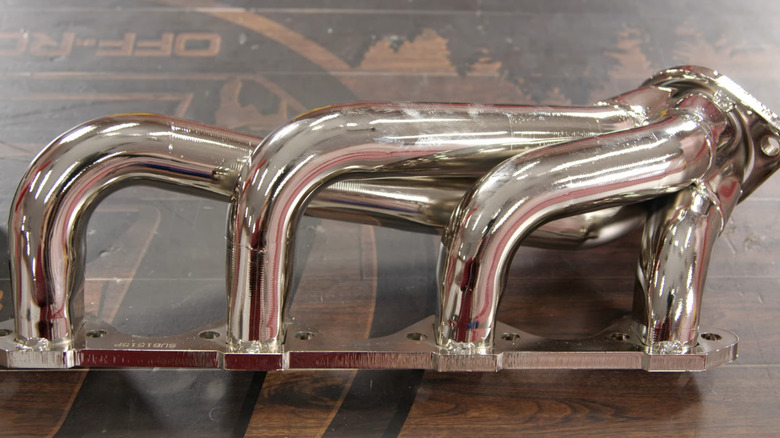
In a manifold, exhaust from each port is typically directed into one chamber or short runners, causing the exhaust pulses from various cylinders to interact rapidly. Although this helps reduce much of the noise linked with exhaust systems, it can also lead to backpressure. Backpressure refers to the pressure accumulation and resistance within the exhaust system that hinders the flow of exhaust gases leaving the engine. This presents an issue, as the pistons must exert more effort to expel the exhaust gases against this pressure, resulting in reduced efficiency.
Headers perform their function using a distinct method. Each cylinder is assigned its own tube, and the exhaust gases exit through these tubes before combining inside a collector, rather than coming together right away. Having separate tubes allows for adjustments in each tube's length, which helps manage how the pulses combine and reduces backpressure.
Headers that have varying tube lengths are referred to as unequal headers. Using tubes of different lengths enables the distribution of torque delivery across various rpm ranges, resulting in a more consistent and broader power curve.This header configuration is also what gives Subarus their distinctive sound.. Headers of equal length utilize pipes that are cut to the same length, ensuring that exhaust pulses arrive at the collector uniformly, which can enhance power within a more limited rpm range.
Choosing between strength, packaging, and usefulness
The difference in performance between headers and exhaust manifolds is genuine, but it doesn't apply in every situation. Headers typically provide greater horsepower and torque by enhancing the flow of exhaust gases. They also aid in exhaust scavenging, especially during the short period when both the exhaust and intake valves are open simultaneously. As an exhaust pulse moves through a header tube, it generates a low-pressure zone in its wake. With proper timing, this low pressure assists in removing leftover exhaust from the cylinder and promotes a more efficient intake of the air-fuel mixture.
That being said, the improvements are largely influenced by the overall combination. With a nearly stock engine and a restrictive exhaust system, the gains might be limited. However, with a properly matched configuration that includes strong intake flow and a free-flowing exhaust, the advantages become more noticeable and measurable.
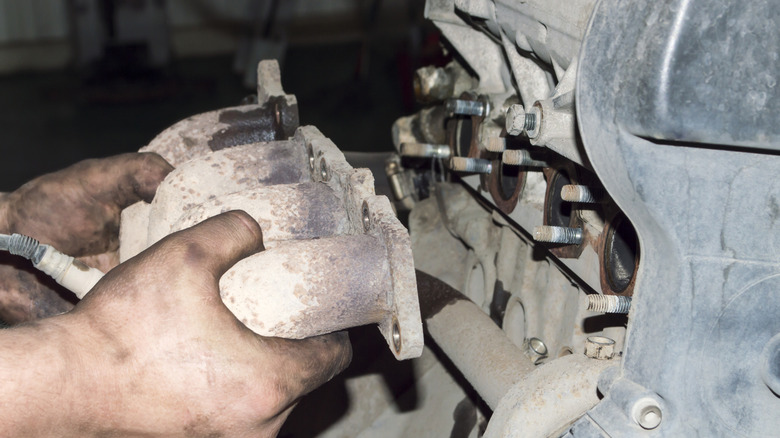
On the other hand, manifolds perform well in aspects not reflected on a dyno sheet. They are less prone to warping and cracking. Installation is typically easier, and managing heat is usually more consistent.
Sound also plays a role in the decision. Headers maintain sharper exhaust pulses for a longer period, leading to a more aggressive tone. Manifolds mix those pulses sooner, creating a deeper and more muted sound. However, regardless of whether you choose manifolds or headers,A budget exhaust system will produce an unpleasant sound.
Want more like this? Join the Jalopnik newsletterto receive the newest automotive updates directly in your email, andAdd us as a preferred search provider on Google.
Read the original article on Jalopnik.
Posting Komentar untuk "Headers vs. Exhaust Manifolds: Performance Showdown"
Please Leave a wise comment, Thank you