
10 Lost 90s Convertibles Forgotten by Time
The budget-friendly convertible is becoming increasingly rare these days.Although a fair amount of luxury and high-performance vehicles are still available as convertibles, if you're looking for something more budget-friendly, you're largely restricted to theMazda MX-5 Miata, Ford Mustang, or Mini Cooper Convertible.
The absence of budget-friendly convertibles hasn't always been the case. In the 1990s, the convertible market was thriving. Here are 10 cabriolets from that time that we believe don't receive the attention they deserve. They are presented in alphabetical order.
Alfa Romeo Spider S4
An Elderly Italian With A 90s Makeover
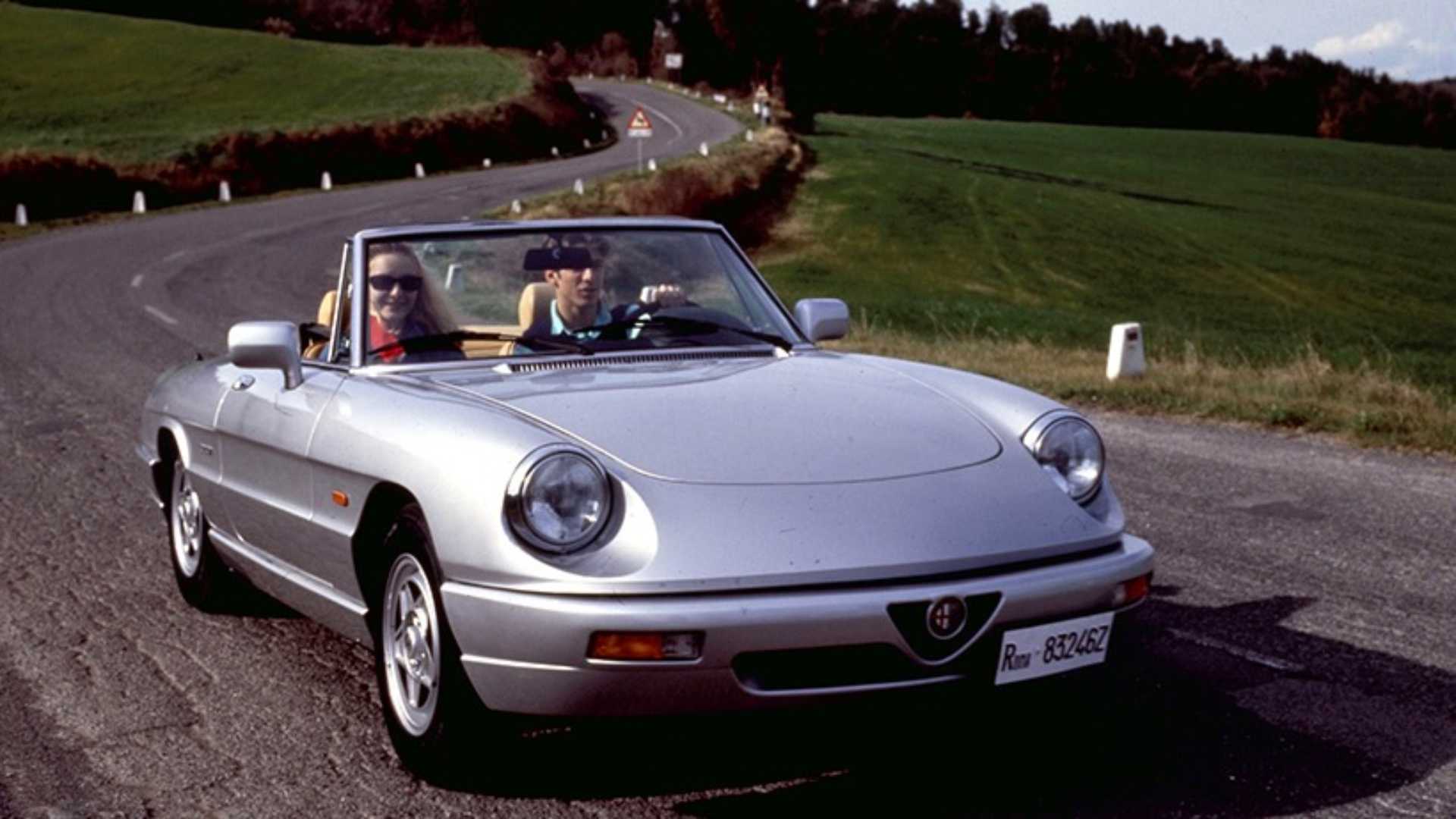
The debut of the original Mazda Miata in 1989 was celebrated as the revival of the traditional two-seater, rear-wheel-drive roadster, but atAlfa Romeo, this kind of vehicle was never truly gone. The company continued to produce a vehicle that was similar to the one introduced in 1966.
Certainly, the design of the Alfa Spider evolved over time. However, it was inevitable that when the Series 4 model was introduced in 1990, it was based on a 24-year-old platform, undergoing another significant makeover to remain relevant in the market. Despite this, the charm of its formula remained strong, as Alfa's lively dual-overhead camshaft four-cylinder engine was always appealing.
The S4 Spider had a brief production run, ceasing in 1993, just a few years before the platform turned 30. It was succeeded by aall-new front-wheel-drive Spiderthat same year, however, with Alfa's departure from the North American market already planned, the product was never introduced in the United States.
Audi Cabriolet
A Strong Open-Top Vehicle Suitable for a Princess
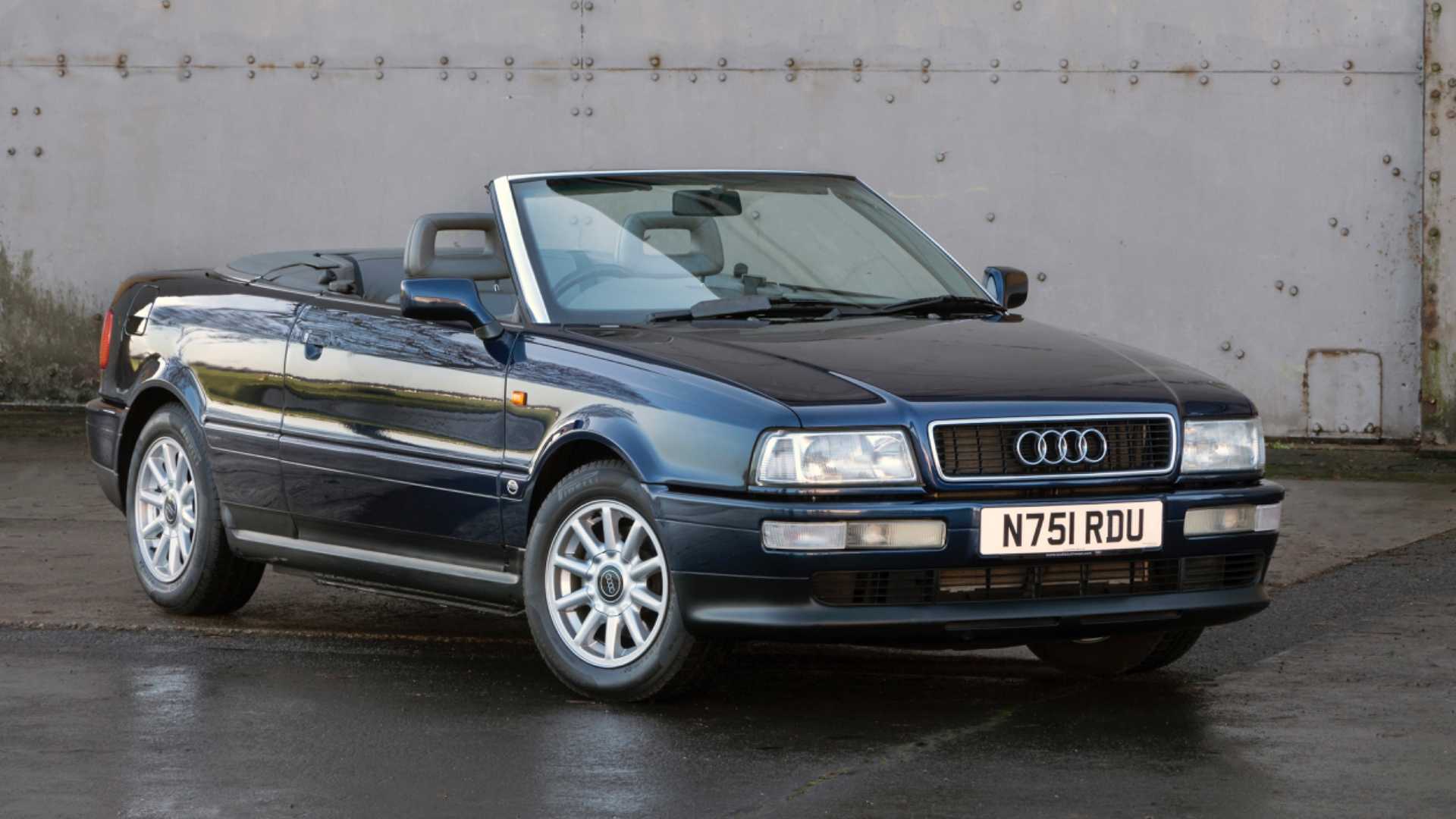
We must picture that it was a Friday afternoon when the meeting took place to determine the name of the first convertible ever sold under theAudibrand. It would be known as the Audi Cabriolet. Similarly, the Cabriolet, introduced in 1991, was derived from the two-door variant of the 80 sedan, which was also referred to as the Audi Coupe.
Fortunately, Audi in the 1990s excelled more in designing vehicles than in choosing their names, and the Cabriolet was a solidly constructed car that, in Europe, offered various engine options, including a four-cylinder, a turbocharged five-cylinder, and a powerful V6. It became popular in its native region, with sales increasing in 1994 when Audi received an invaluable marketing boost that money couldn't purchase, thanks to tabloid photos of Princess Diana driving her green Cabriolet through the upscale areas of London.
Sales in Europe took place between 1991 and 2000, much later than when the sedan it was derived from was replaced by the first generationA4However, in the United States, the Cabriolet did not perform as well. It was available only with a 2.8-liter V6 engine in the country, and it was sold from 1993 to 1998, barely reaching four-digit sales in most of those years.
Buick Reatta Convertible
A Briefly Existing Halo Vehicle That Did Not Succeed
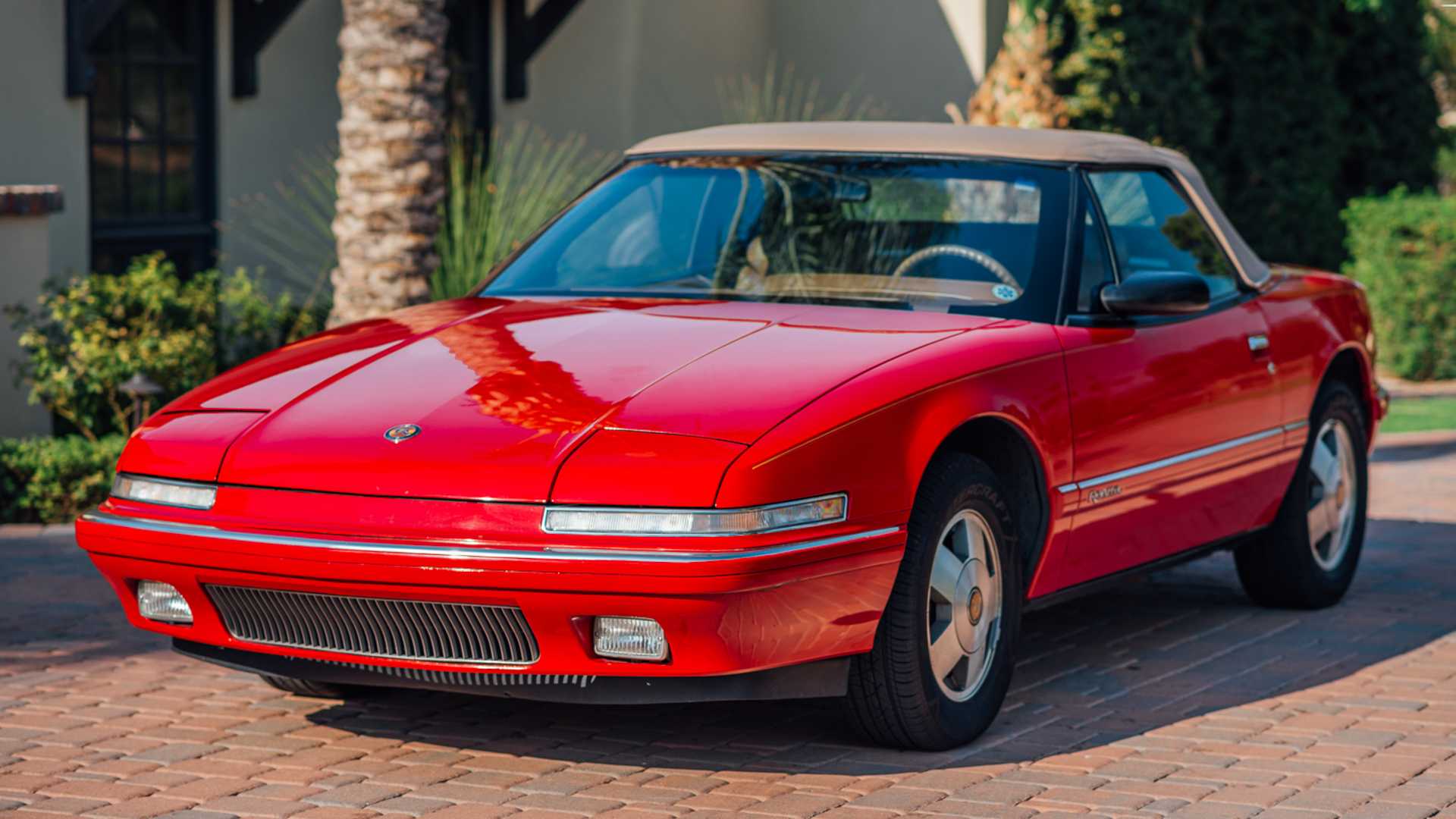
Buick built plenty of convertibles during its peak, but the open-top version of the Reatta that came out in 1990 would be its final one before the equally overlookedCascada arrived over 25 years later.
The Reatta in its entirety was an intriguing vehicle. Designed as a flagship model for Buick, it was built on the modern Riviera's front-wheel drive platform and featured Buick's well-known 3.8-liter V6 engine. The vehicle was quite innovative when it debuted in 1988, offering fully independent suspension, four-wheel disc brakes, and an early central touchscreen display, which utilized CRT technology and now appears extremely outdated.
The Reatta was also a complete failure. Buick aimed to sell 20,000 units annually, but it had barely reached that number when manufacturing ceased four years later. The convertible model arrived late, not being available until 1990, by which time the notorious touchscreen display had already been removed.
Honda Del Sol
A Unique Targa-Top Vehicle With an Unusual Roof Design
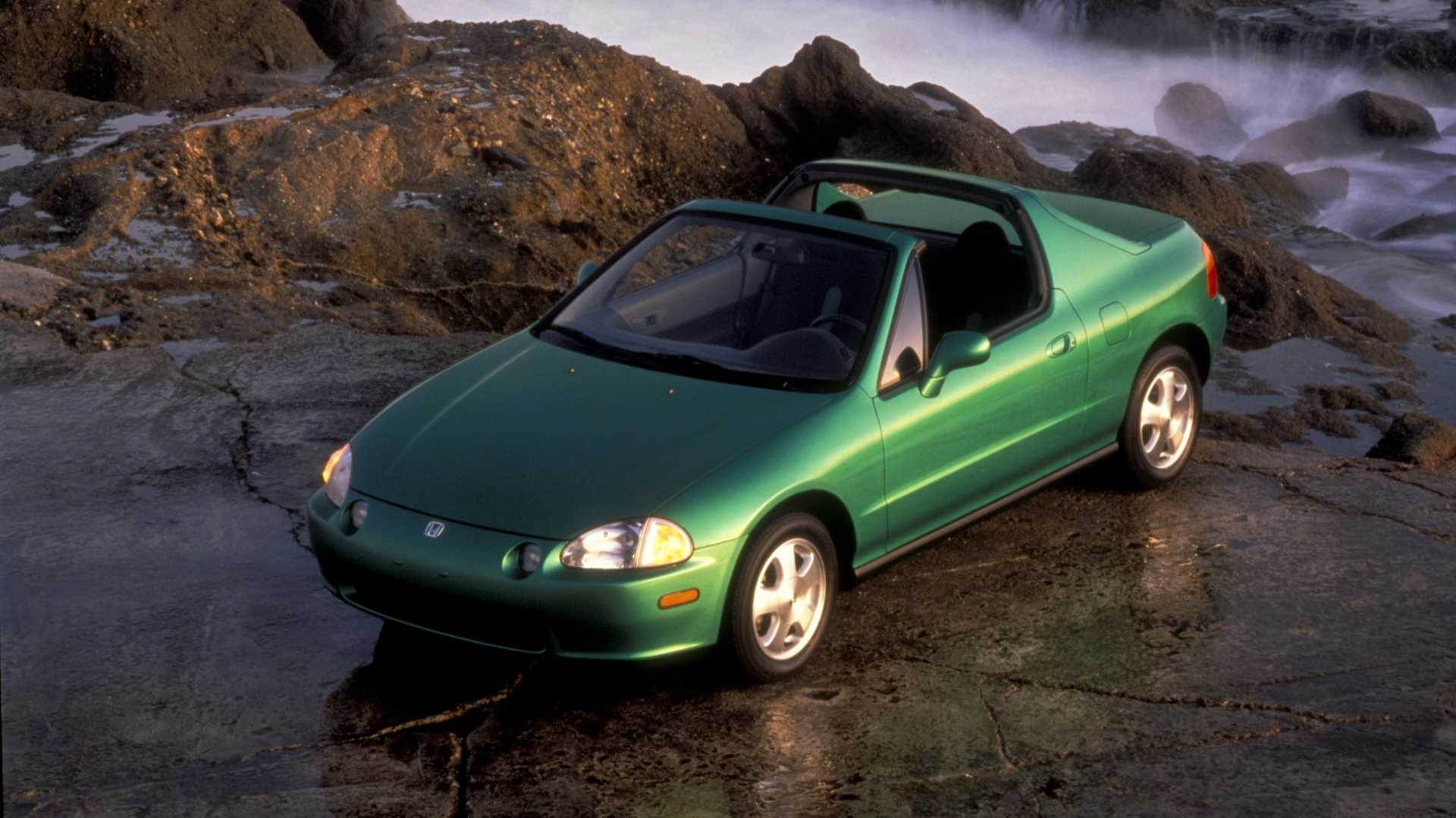
Although positioned as a the next model after the cherished CRX, including being called the CR-X Del Sol in some regions, the Del Sol was similar to its predecessor only in that they were both compact, front-wheel-drive Honda sports cars. While the CRX was a boxy, kamm-tailed coupe, the Del Sol had a very '90s look with its smooth, bar-of-soap design.
More significantly, the Del Sol was only offered with a removable roof panel. On U.S. models, this roof had to be removed by hand, whereas in Europe and Japan, an option known as the TransTop was available—a remarkably complicated system even by modern standards that raised the trunk lid above the roof, then used two mechanical arms to lift the roof panel and store it beneath the trunk lid before the entire confusing mechanism was lowered back into position.
It's truly one of the most strange and unnecessarily complicated methods ever created for removing the top from a convertible, and it somewhat takes away from what was actually a spirited little car, introduced in 1994 with a lively engine,VTEC- equipped with a B16 1.6-liter engine that delivers 160 horsepower.
Mercury Capri
Australian Roadster Featuring a European Name and a Japanese Engine
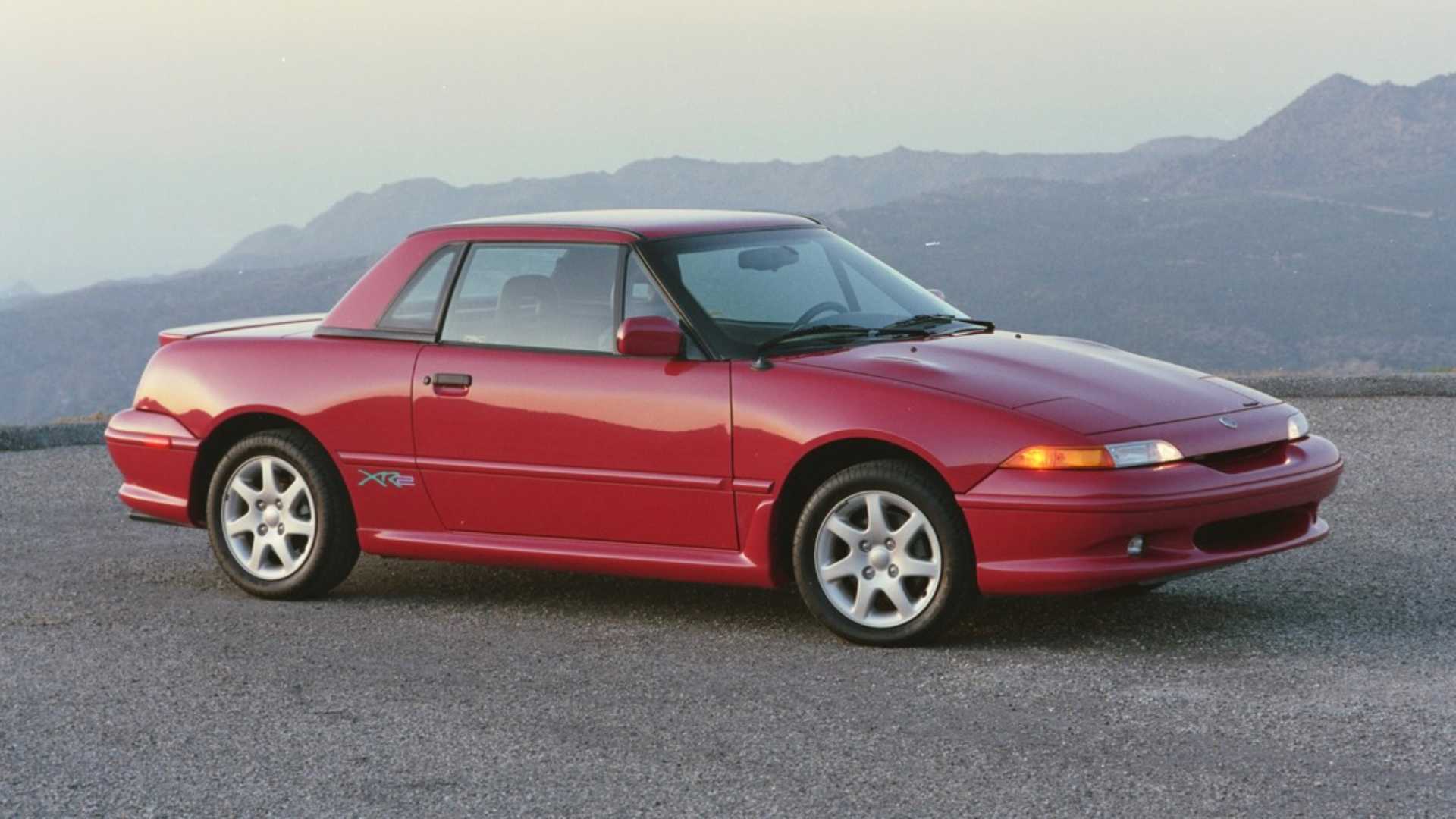
The name Mercury Capri has been used on three distinct vehicles. All were two-door sports cars, yet each one was quite different. There was the import of the originalEuropean Ford Capri, and the second was a somewhat more upscale version of the Fox-bodyMustang. Perhaps the most intriguing, however, was the third generation, which came out in 1991.
Attempting to fill the gap in Mercury's lineup caused by a sports car, Ford once again turned to one of its international divisions, specifically Ford Australia. This division had recently revived the Capri name for a two-seater, front-wheel-drive roadster built on Mazda 323 chassis (at that time, Ford held a major ownership stake in Mazda).
Ford Australia began manufacturing the Capri in left-hand drive configuration, which was then transported to the United States and equipped with Mercury badges. The vehicle was powered by 1.6-liter Mazda engines, which could be optionally turbocharged to produce 132 horsepower, but it was never able to match the performance of Mazda's own Miata. Consequently, the Capri's presence in the U.S. market was brief, with production ceasing in 1994.
Mitsubishi Eclipse Spyder
A Modified Version Of A Tuner Classic
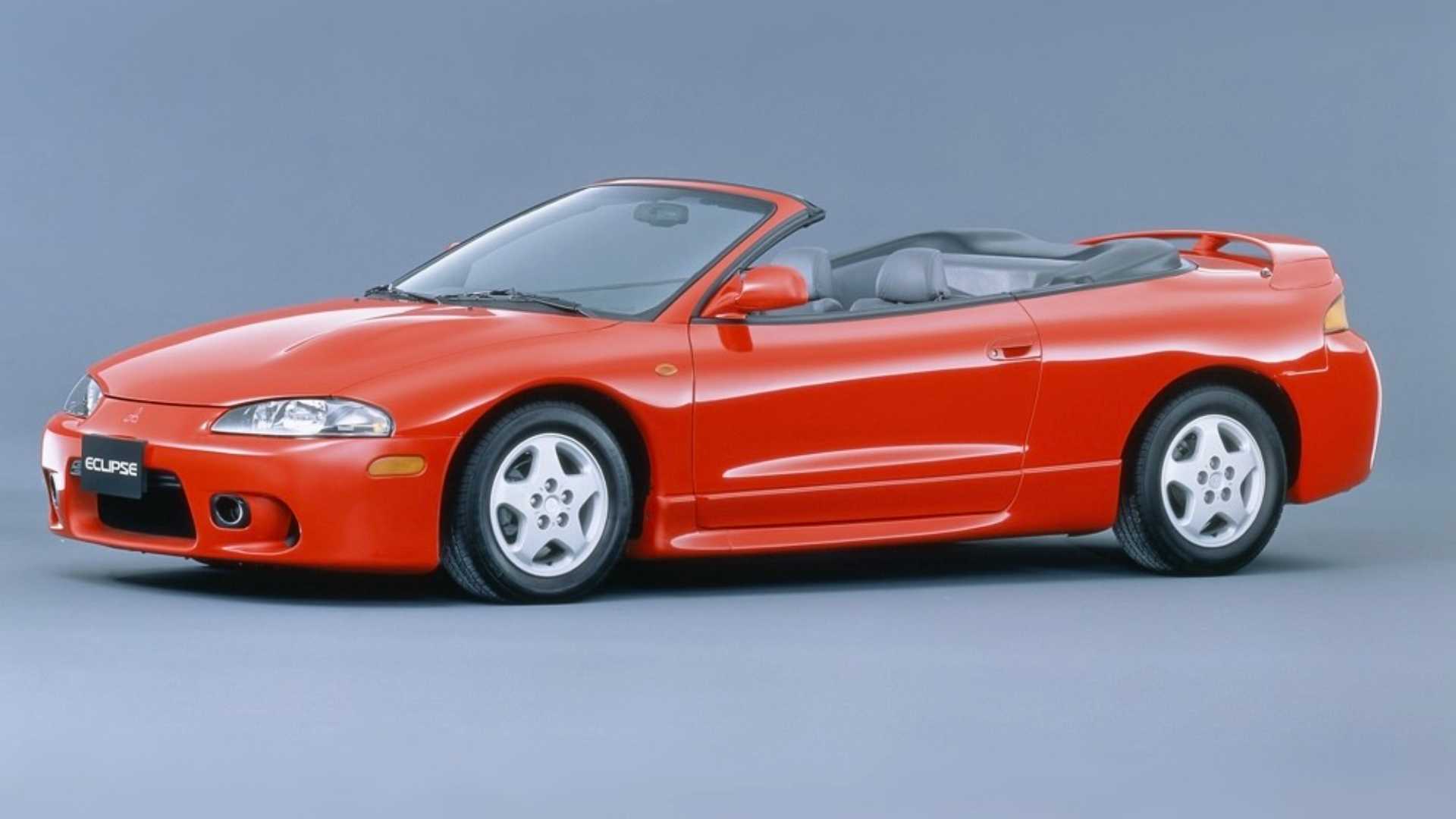
The Mitsubishi Eclipseis still very much remembered. It is one of the most cherished vehicles from the height of the tuner car scene in the '90s, particularly inFast and Furious-starring second-generation guise.
However, when most people envision the Eclipse, it's likely not the soft-top Spyder variant they're imagining. It was introduced as a 1996 model, one year after the second-generation coupe made its debut in 1995. The convertible never got the top-of-the-line all-wheel-drive GSX treatment, but the GS-T version still provided 210 hp of turbocharged power, though with front-wheel drive.
The Eclipse Spyder remained in production well into the 21st century, with the name appearing on convertibles of the third- and fourth-generation models until the end of manufacturing in 2012. As for what has become of the Eclipse brand since then,Mitsubishi transformed it into a crossover vehicle.
Porsche 968 Cabriolet
Porsche's Forgotten Transaxle Drop-Top
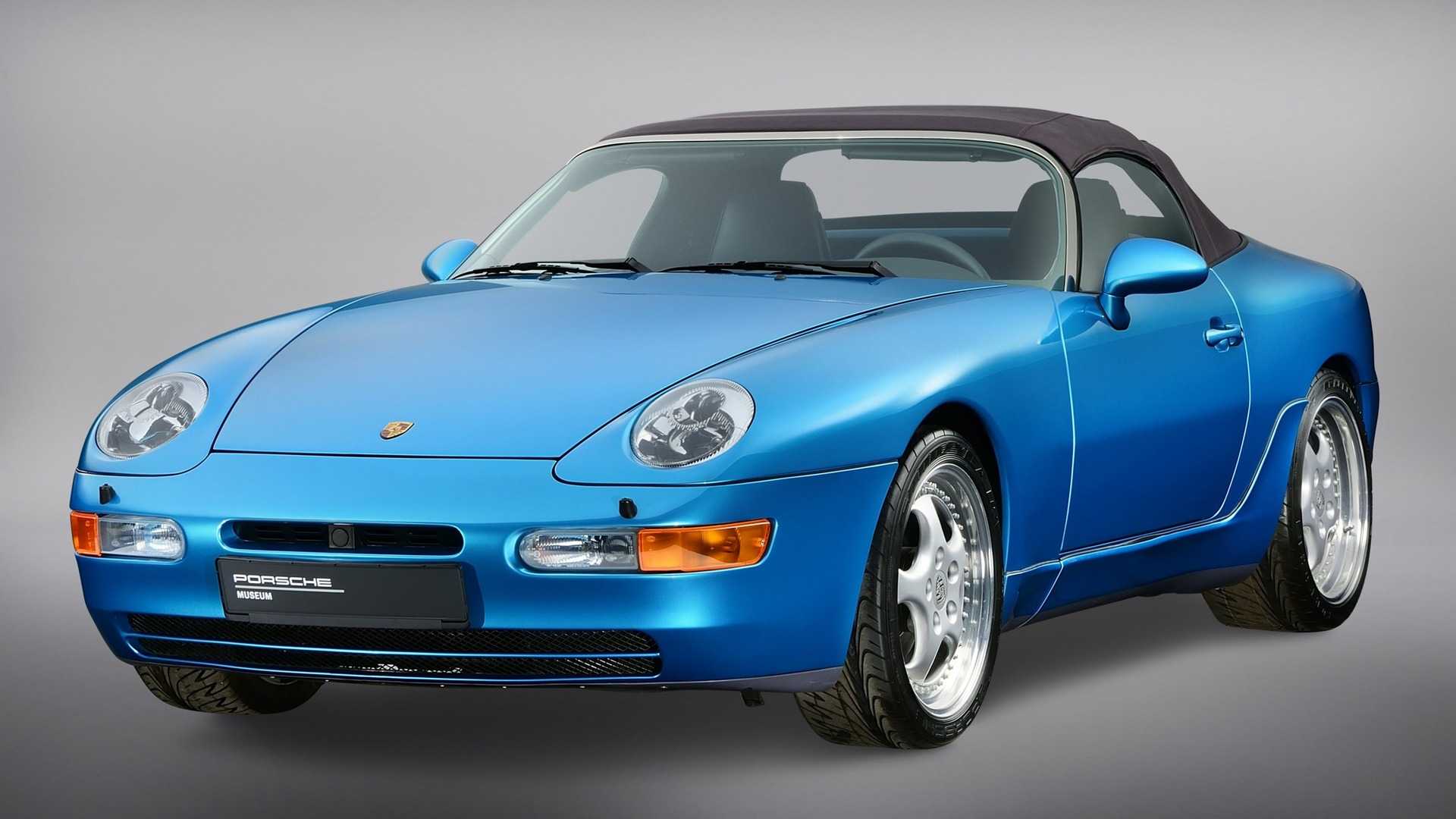
The briefest in the line of Porsche's three four-cylinder front-engine sports cars, the 968 was introduced in 1991 and remained in production until 1995. It had the smallest output within the group, which also included the 924 and944 predecessors. However, the 968 was perhaps the most intriguing member of the group.
First, its 3.0-liter M44 engine is among the biggest four-cylinder engines ever found in a production vehicle, and it was also the initial Porsche model to incorporate the company's VarioCam variable valve timing technology. It also had a design characteristic in commonwith the V8-powered 928by discovering pop-up headlights.
Already a relatively uncommon vehicle – with most sources estimating production numbers between 11,000 and 13,000 – the Cabriolet was the less favored of the two body types, making it an even more scarce option. Positioned awkwardly between the significantly longer-lasting 944 and the highly regarded mid-engined modelBoxster, the 968 Cabriolet is now somewhat of an oddity in Porsche's history.
Toyota Paseo Convertible
Appeared Like a Sports Car, But Did Not Perform Like One
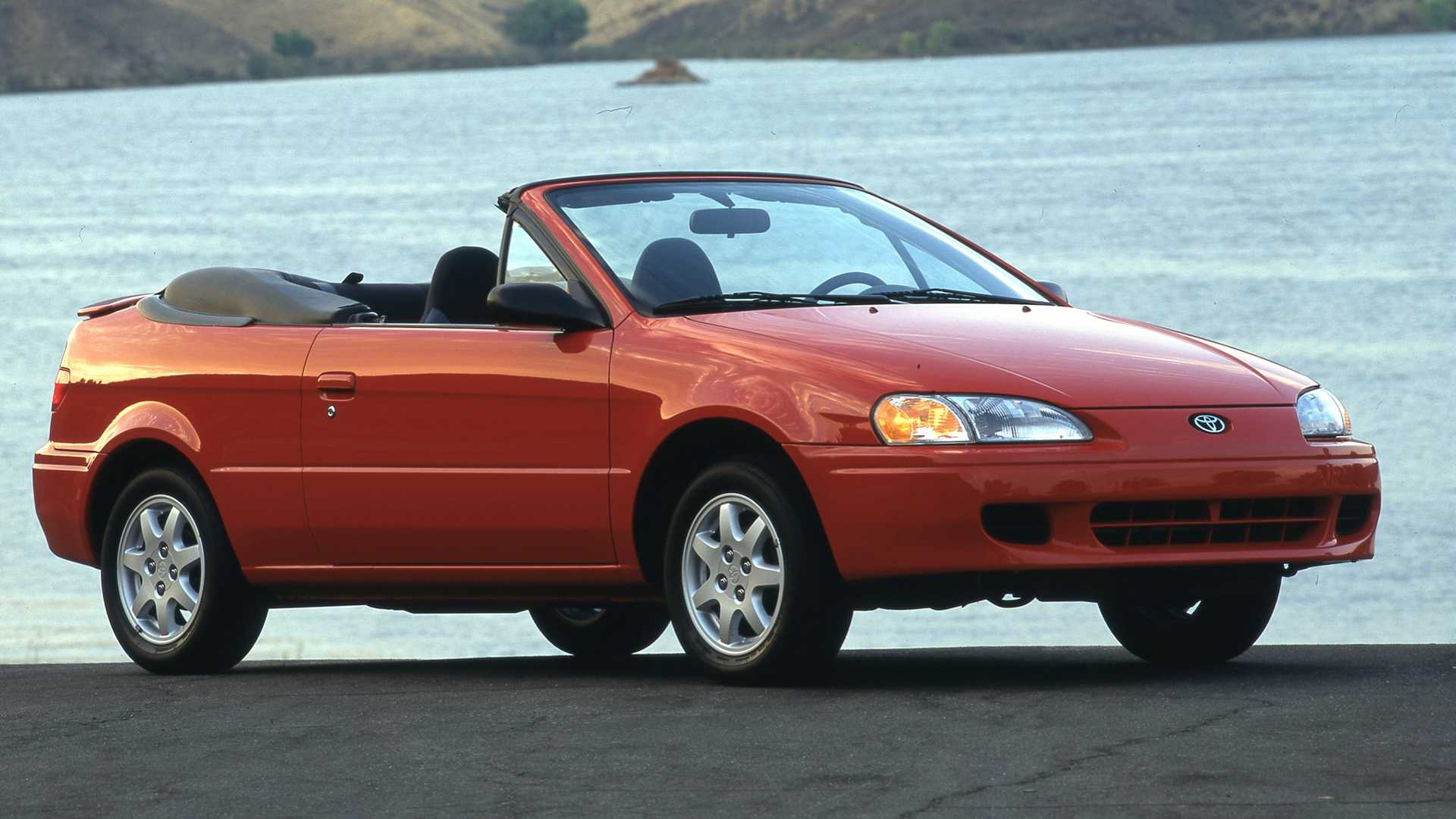
The Toyota Paseo may have created a satisfactory visual impacta sports car, but the fact that its name translates to Spanish for "walk" (or, more precisely, a relaxed stroll) suggests the type of performance that can be expected from this front-drive subcompact.
Most recognized as a two-door coupe, the model is frequently overlooked today, even though it was available in two generations from 1991 to 1999 in certain regions. The convertible variant of the second generation, modified by the California-based company ASC, has become quite rare after three decades, particularly because it was only offered for the 1997 model year in the United States.
Only producing 93 horsepower from a 1.5-liter four-cylinder engine available in the US, it was never going to compete with the rear-wheel-drive Mazda Miata as a sports car. However, anyone who has tried to get the most out of a small, light, and underpowered vehicle knows how enjoyable that can be, especially when you have the wind in your hair.
Volkswagen Cabriolet Mk3
A Fresh Perspective on a Beloved Classic
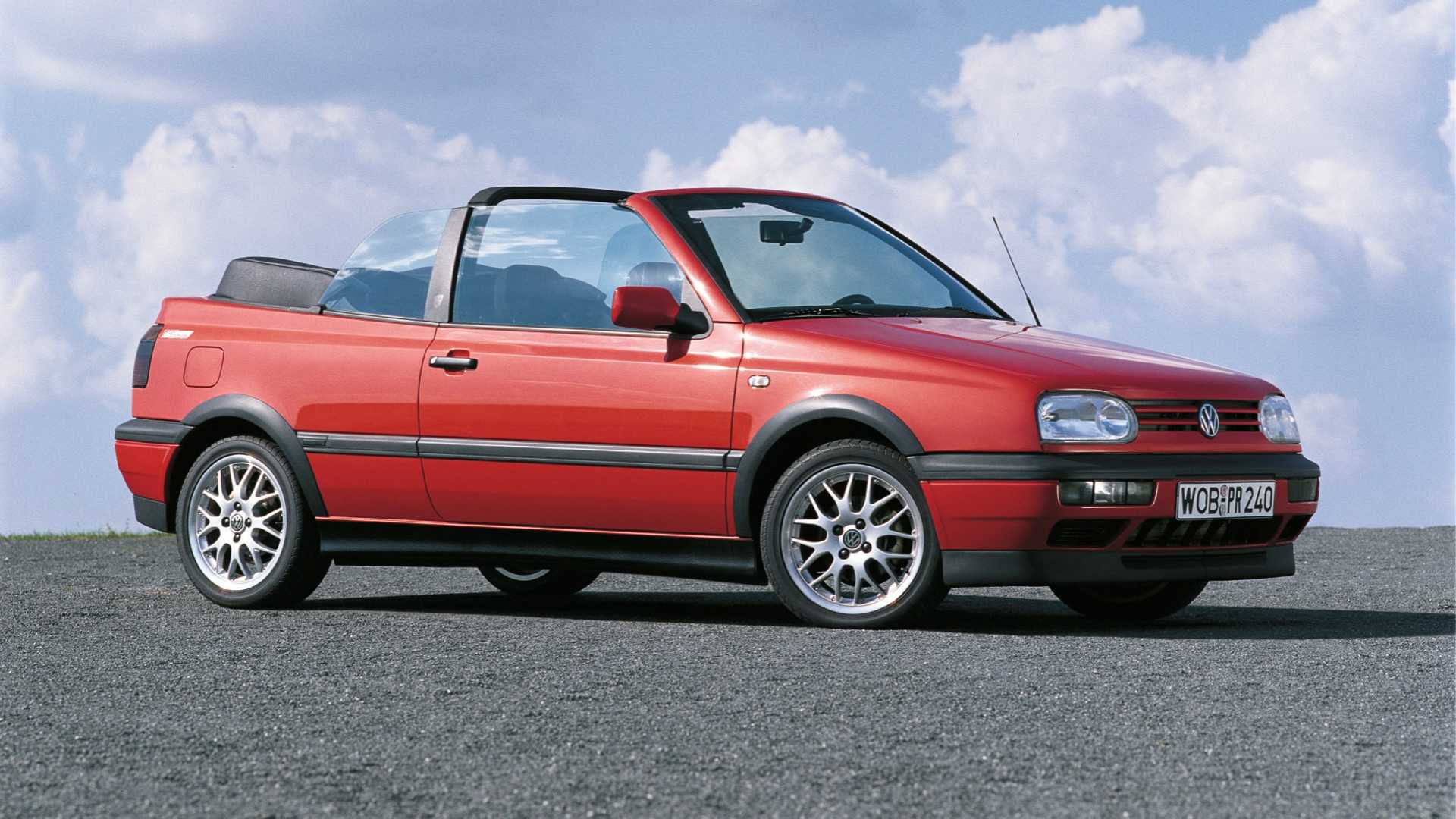
The open-top version of the original VW Rabbit was so successful that it bypassed an entire generation, starting production in 1979 and continuing until 1993. At this time, the third generation of VW's popular hatchback was introduced, now available for sale.in the United States as theGolf. Facing the challenging task of replacing a beloved show, VW decided not to abandon the established guidelines, once more hiring Karmann, the same German coachbuilder that had removed the roof from the original Rabbit.
Introduced in the US for the 1995 model year, it was once again essentially a Golf with a fabric roof, though this version was more rigid, spacious, and up-to-date compared to previous models. Vehicles sold in the US were equipped with a 2.0-liter engine producing 115 horsepower. Nevertheless, the trade-off was probably more acceptable given the unlimited headroom and the ability to enjoy a summer breeze with just a few latches opened.
Similar to its predecessor, the Mk3 Cabriolet lasted longer than its hatchback version. Although the new Mk4 Golf was introduced in 1998, the older Cabriolet only received a minor update that created an odd combination of a Mk4 front end on a Mk3 chassis, which remained until 2002.
Volvo C70 Convertible
A Smooth Swedish Man With Five-Pot Strength
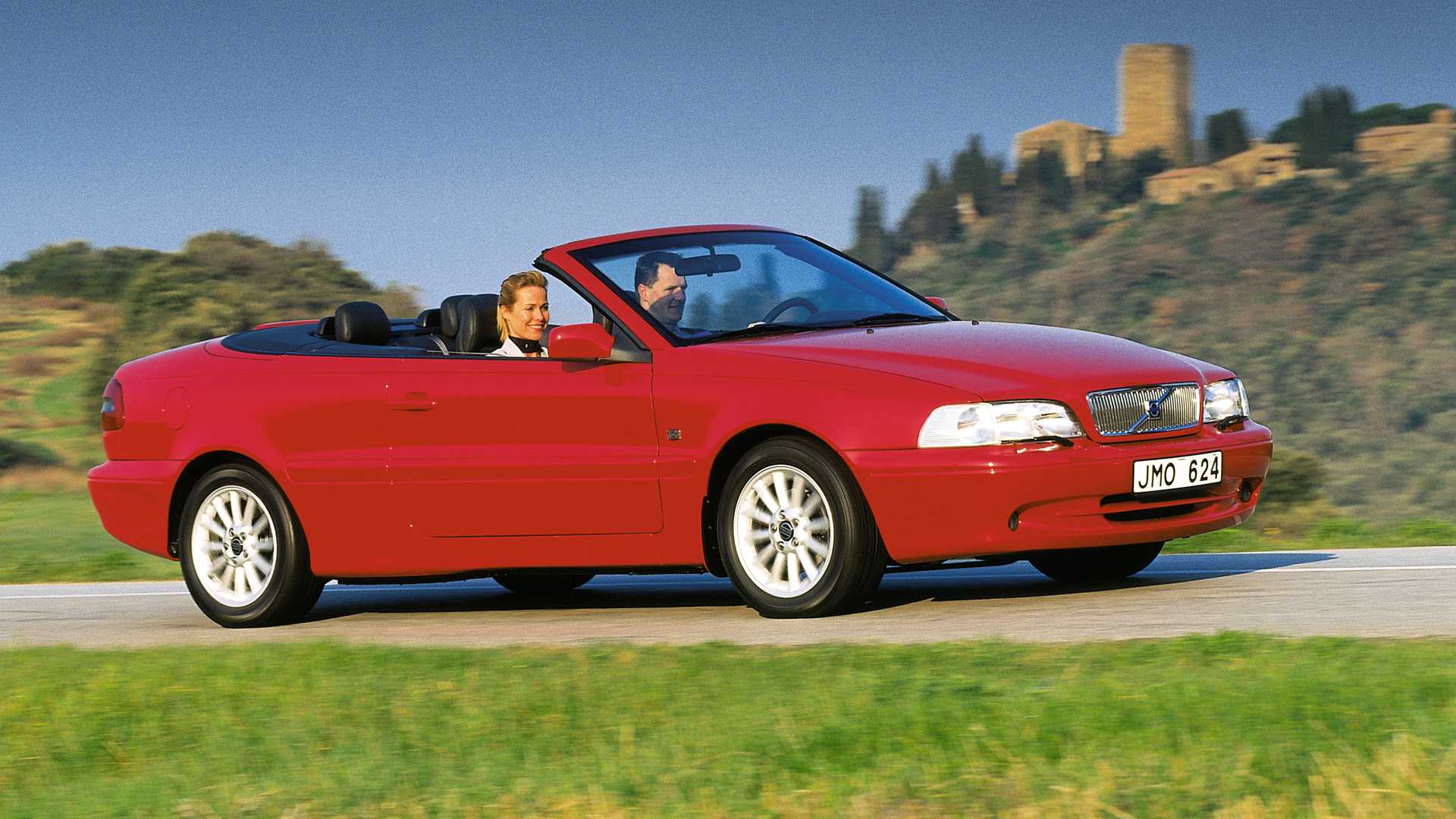
Most people are aware of Saab's series of convertibles. For many, these are what the now-defunct company is most cherished for. However, another Swedish brandVolvoalso joined the convertible trend in the 1990s.The C70 was introduced in 1996.as the brand's initial two-door modelsince the big 780was no longer produced five years prior. Initially offered as a coupe, a soft-top convertible was introduced the subsequent year.
A much more curved vehicle than Volvo's typical square design, theC70was a specialized item, developed by the British company Tom Walkinshaw Racing, which was already managing Volvo's racing team in the British Touring Car Championship. It became the highlight of Volvo's lineup because it was only available with turbocharged five-cylinder engines, varying in size from 2.0 to 2.4 liters.
Although the coupe model was no longer produced in 2002, the C70 Convertible continued until three more years, ultimately being succeeded in 2005 bya second-gen modelavailable only with a folding metal hardtop. Of the 76,809 first-generation C70 models manufactured, nearly 50,000 were the convertible version.
Sources:Volvo, Toyota Owner's Club, Porsche, Mitsubishi, Ford, Stellantis, Volkswagen
Posting Komentar untuk "10 Lost 90s Convertibles Forgotten by Time"
Please Leave a wise comment, Thank you