
San Francisco's Muni Metro Uses Floppy Disks – Here's Why
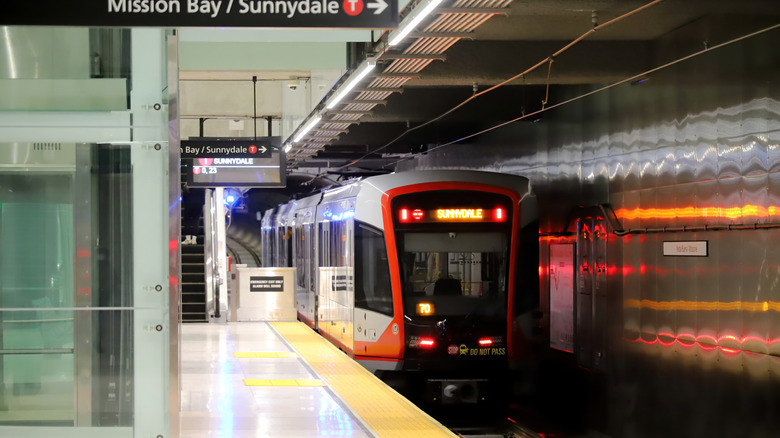
Modern vehicles have become increasingly reliant on computers and digital technology. These systems allow for features like smartphone integration, advanced navigation, and even autonomous driving. However, in some places, the technology used is far from modern. San Francisco's Muni Metro, which serves as the city's subway and above-ground train system, uses technology that many would consider to be from a bygone era.
The Muni Metro primarily relies on 5.25-inch floppy disks, an outdated storage medium that was once common in the early days of personal computing. These are not the smaller 3.5-inch disks often associated with classic games like "DOOM" or "The Oregon Trail," but rather the larger, more cumbersome 5.25-inch variety. This may seem surprising, but it's not unique to the Muni Metro. Many airplanes still use floppy disks for system updates and data transfers.
The reason for this reliance on old technology goes back to the installation of the Automatic Train Control System (ATCS) in 1998. At that time, the software required for the system could fit onto just three floppy disks. These disks were used to control train speeds, switches, and signals, although the system automatically switches to manual control when trains leave the subways.
When the ATCS was first developed, engineers expected it to last for up to 25 years. In 2018, the San Francisco Municipal Transportation Agency (SFMTA) began planning for an upgrade to eliminate the reliance on floppy disks by 2028. However, the global pandemic caused delays, pushing back the timeline significantly.
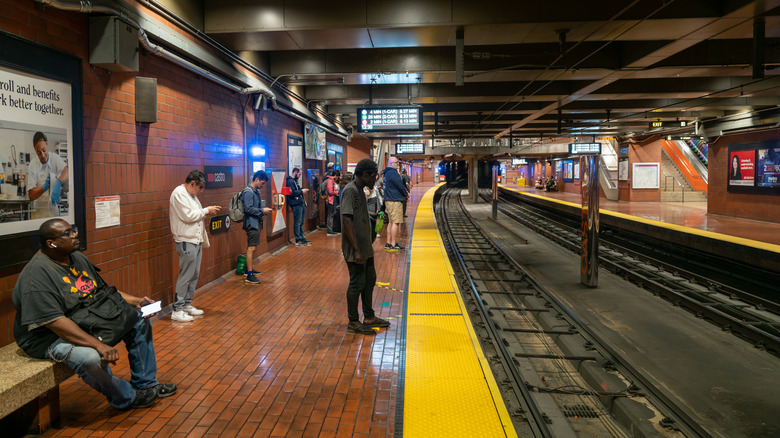
Now, the SFMTA is moving forward with its plans to modernize the Muni Metro. The project, known as the Train Control Upgrade Project (TCUP), involves replacing the entire ATCS with a new system designed by Hitachi Rail. This upgrade will also involve removing the existing loop cable system, which is used by the ATCS to communicate with trains, and replacing it with Wi-Fi technology.
The TCUP is estimated to cost around $700 million and is expected to be completed by 2034. This upgrade is necessary not only because the current technology is outdated but also because the loop cable system transmits data at a very slow rate compared to modern alternatives. Additionally, floppy disks degrade over time, and the ATCS's floppies passed their expiration date in 2023. The fragile loop cable wires and the unavailability of key components further threaten the reliability of the current system.
The new system will offer more precise control over train operations and provide a more accurate view of where each train is located at any given time. It will also improve signal strength and reliability, leading to a more efficient and dependable subway system. While the upgrade may not include futuristic technologies like levitating trains seen in some parts of China, it represents a significant step forward for the Muni Metro.
The transition to modern technology is essential for ensuring the continued safe and efficient operation of the Muni Metro. With the right investments and planning, San Francisco can move beyond the limitations of its past and embrace a more advanced and reliable transportation system.
Posting Komentar untuk "San Francisco's Muni Metro Uses Floppy Disks – Here's Why"
Please Leave a wise comment, Thank you