
Endangered Species Posters by U.S. State
The Urgent Need for Conservation
Human beings are the greatest threat to the survival of endangered species. Our actions, such as destroying natural habitats, poaching, and contributing to climate change, have pushed many species to the brink of extinction. While extinction is a natural process, the current rate at which species are disappearing is alarming. Experts estimate that at least 10,000 species go extinct every year, a number that should serve as a wake-up call for all of us.
Despite the challenges, there are dedicated conservationists working tirelessly to protect endangered populations. However, they need widespread public support to make a meaningful impact. In response to this crisis, artists from NetCredit have launched a campaign to raise awareness about the most endangered creatures in each state of America. Through a series of posters, they aim to highlight the urgency of protecting these species and inspire action.
Endangered Species Across America
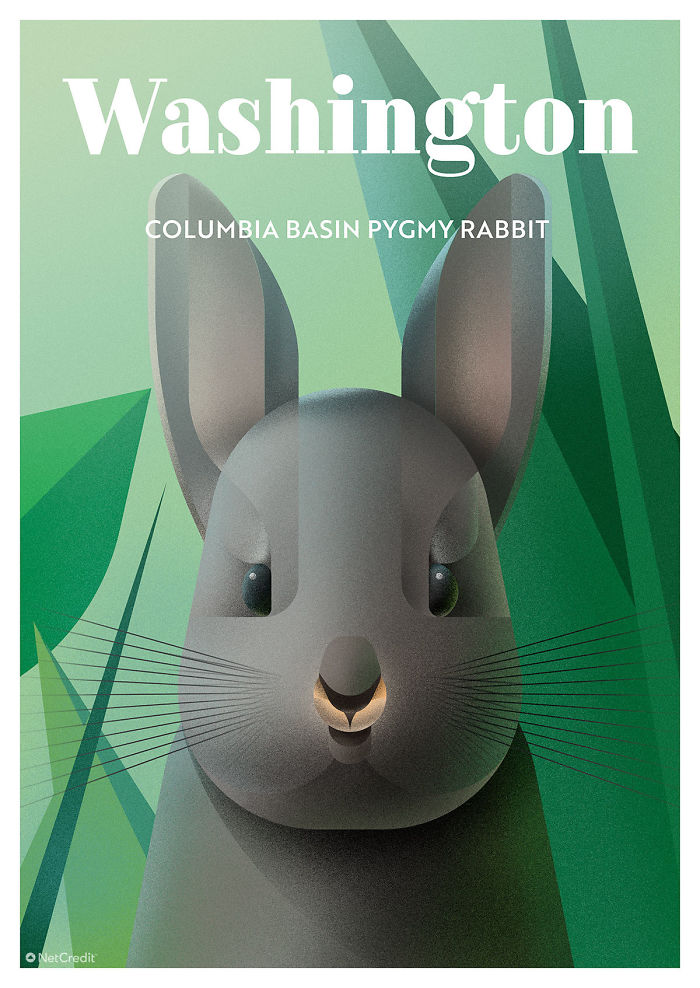
#1 Columbia Basin Pygmy Rabbit
The smallest of all rabbits, the pygmy rabbit faces numerous threats, including habitat loss. They rely on sagebrush for food and shelter, but their numbers have plummeted due to the destruction of their environment. The last purebred Columbia Basin pygmy rabbit died ten years ago, and efforts are underway to increase crossbreed numbers and reintroduce them to the wild.
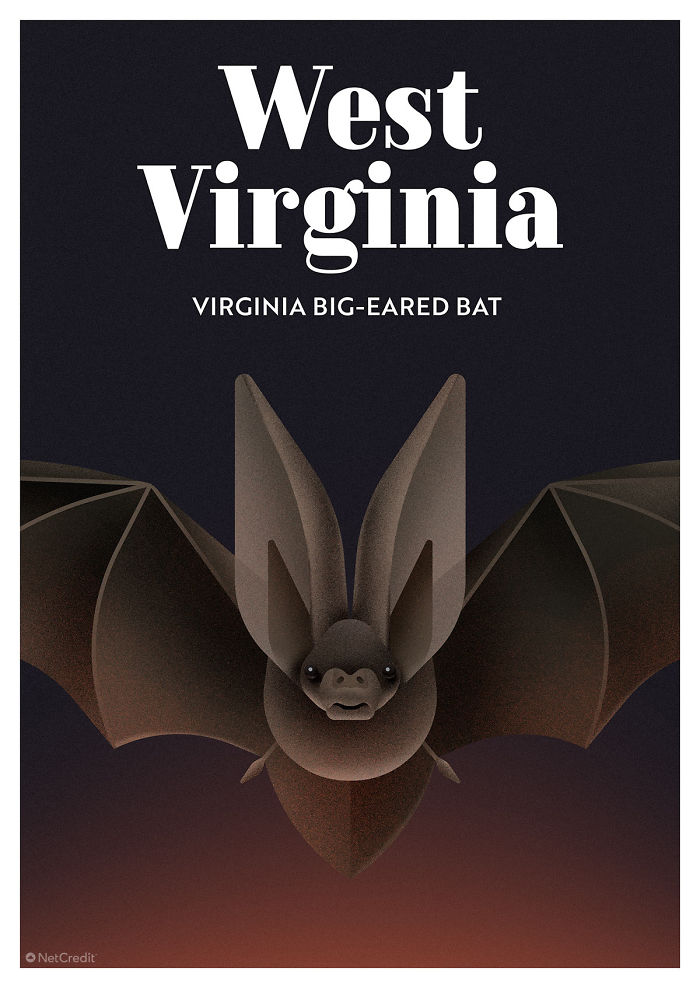
#2 Virginia Big-Eared Bat
Known for its large ears, the Virginia big-eared bat lives in caves near oak-hickory or beech-maple-hemlock regions. Disturbing these bats during hibernation can lead to starvation, as they use up their fat reserves before the return of their primary food source, moths. Their numbers have been declining since 2005.
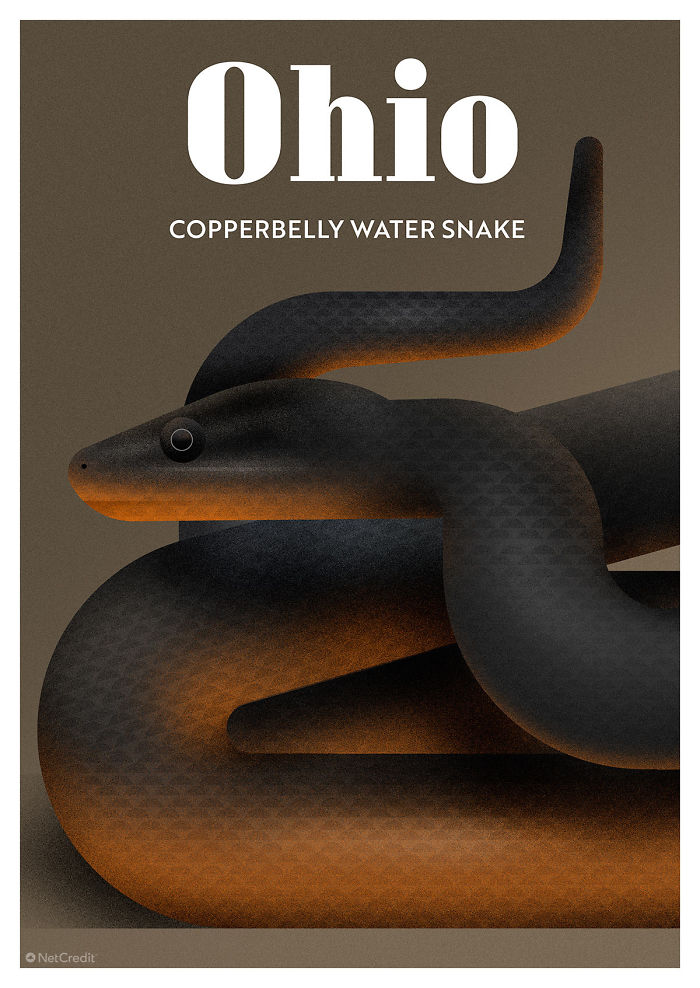
#3 Copperbelly Water Snake
The copperbelly water snake’s striking red-striped belly makes it a target for collectors. However, the main threat comes from habitat fragmentation. These snakes require large, unbroken areas of water to thrive, which have been disrupted by agriculture, roads, and housing. Only around 200 remain in the north.
Enjoying this so far? Follow us for more
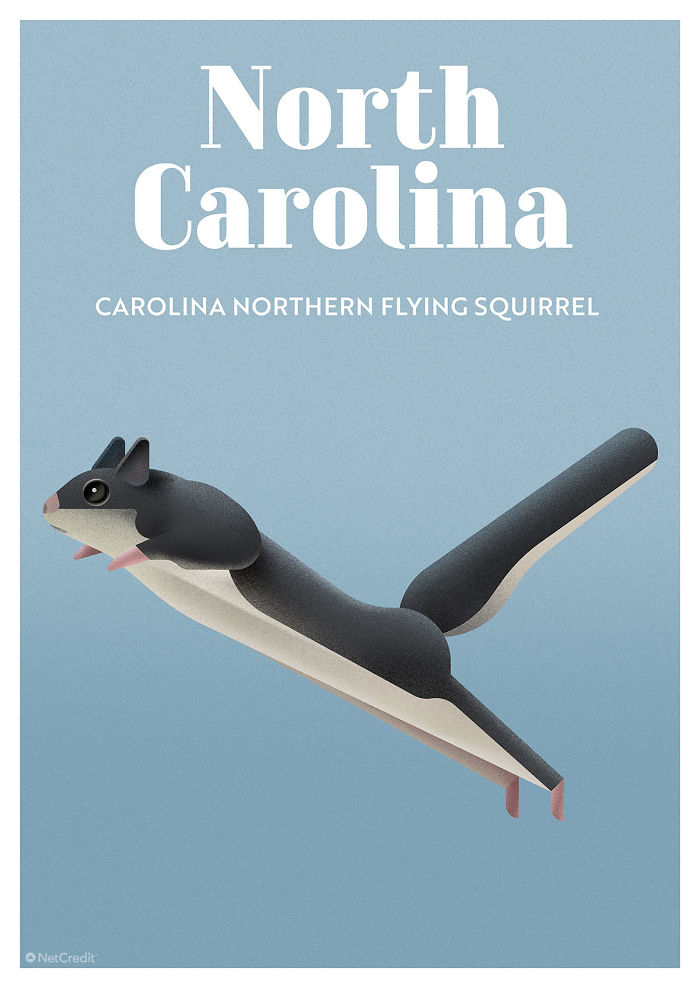
#4 Carolina Northern Flying Squirrel
This ice-age flying squirrel became isolated as the region around the Southern Appalachians thawed. Today, it can only be found in North Carolina, Tennessee, and southwest Virginia. Forest clearing has allowed pests like the balsam woolly adelgid to invade, while pollution and climate change further threaten its survival.
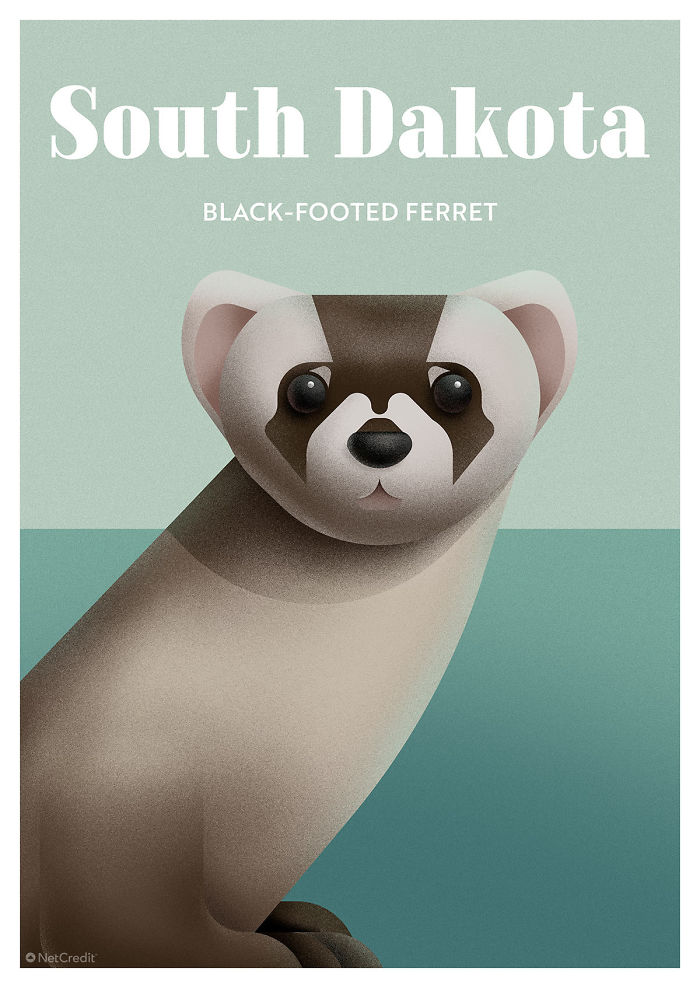
#5 Black-Footed Ferret
North America’s only native ferret relies on prairie dogs for food. As prairie dog numbers decline, so do the chances of survival for the black-footed ferret. Once extinct in North Dakota, fewer than 500 remain in South Dakota, with predators and disease posing additional threats.
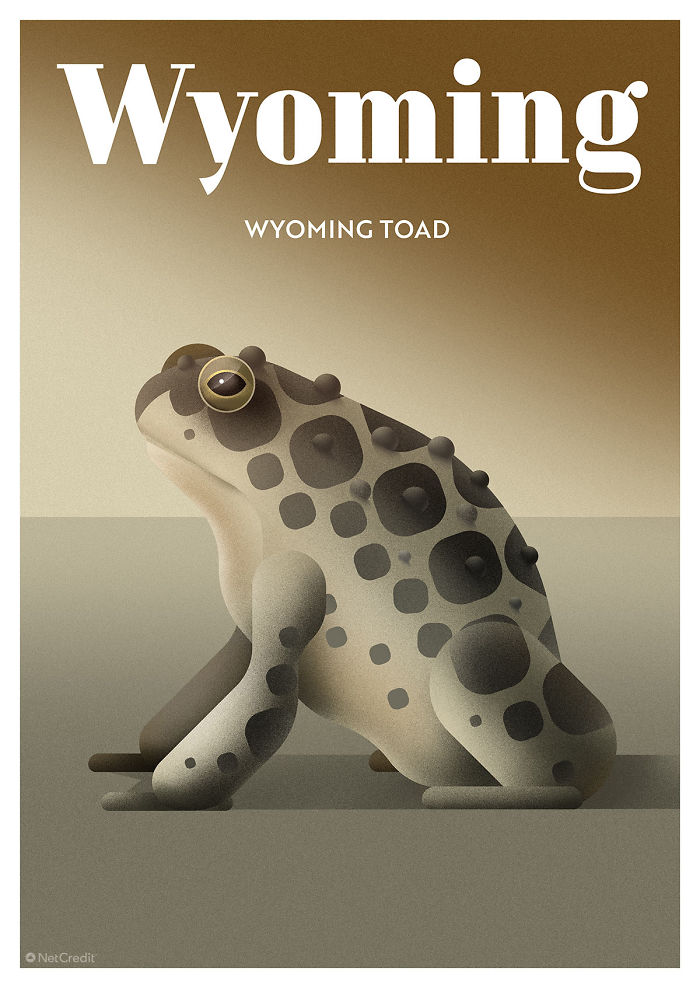
#6 Wyoming Toad
Once abundant in the Laramie River Basin, the Wyoming toad is now considered extinct in the wild. Efforts to reintroduce tadpoles and toadlets have had mixed success. Pesticides, urban development, and disease have contributed to its decline.
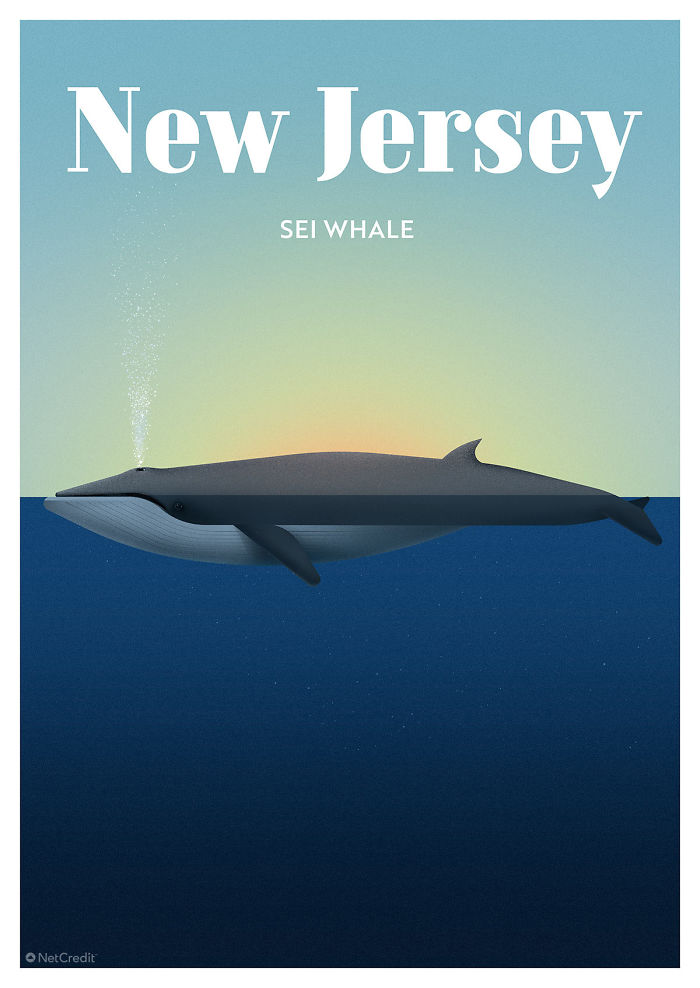
#7 Sei Whale
Commercial whaling of the sei whale ended in 1987, but the species still faces threats from ship collisions and noise pollution. Despite their size, it is difficult to determine if they are recovering from their depleted numbers.
Enjoying this so far? Follow us for more
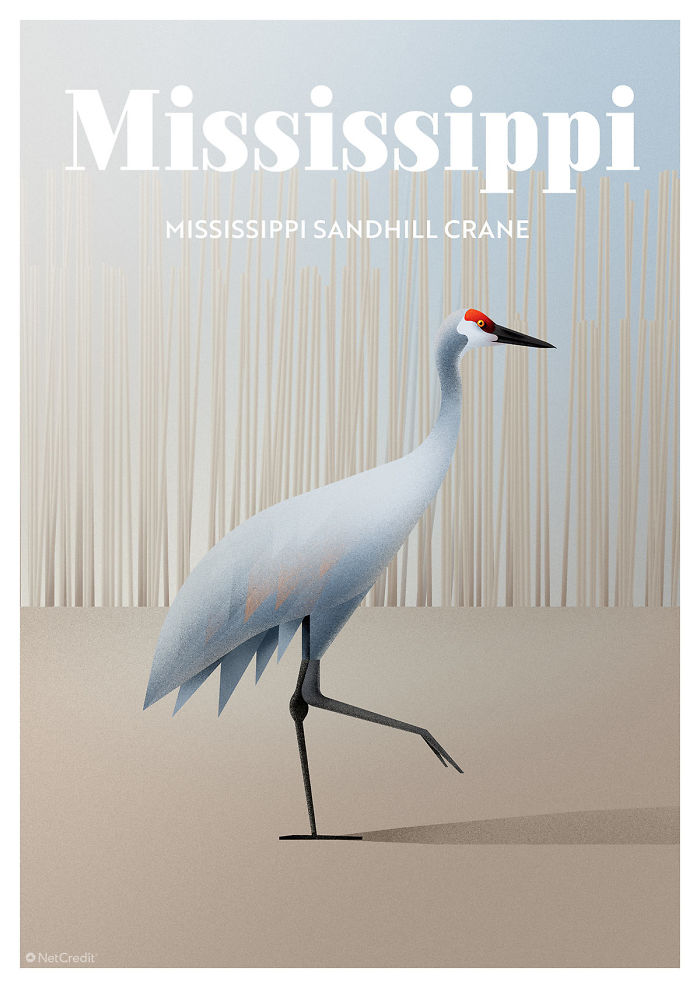
#8 Mississippi Sandhill Crane
There are just 100 Mississippi sandhill cranes remaining, all living near the Mississippi Sandhill Crane National Wildlife Refuge. Their population was once much larger, but habitat loss due to pine plantation conversion has led to their decline.
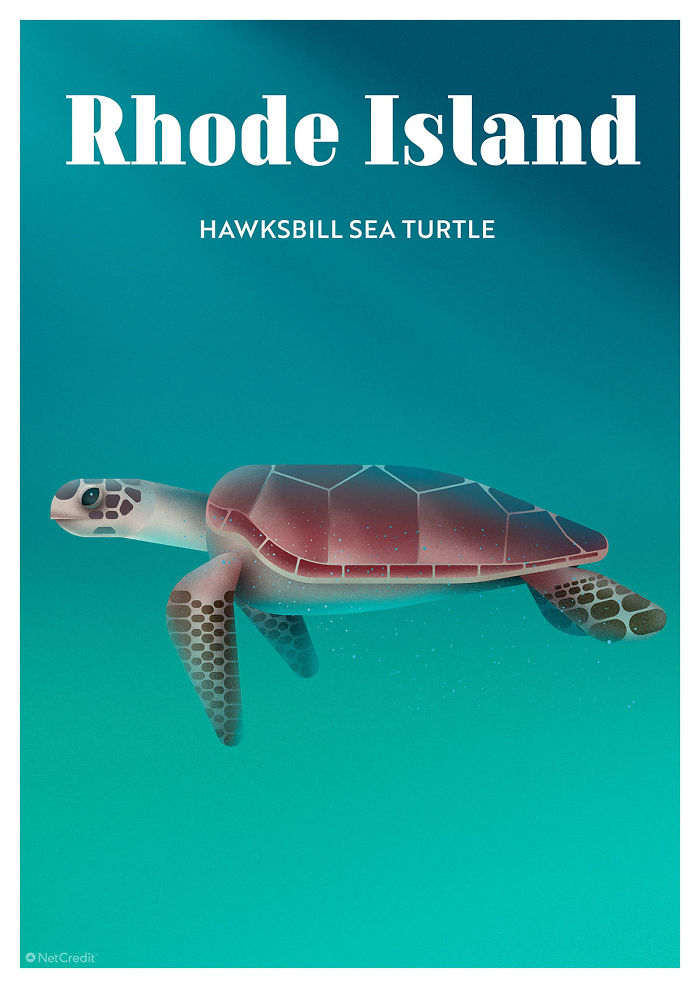
#9 Hawksbill Sea Turtle
The Hawksbill sea turtle’s vibrant shell has made it a target for the tortoiseshell trade. It also faces threats from habitat destruction and overexploitation. This species plays a crucial role in maintaining coral reef ecosystems.
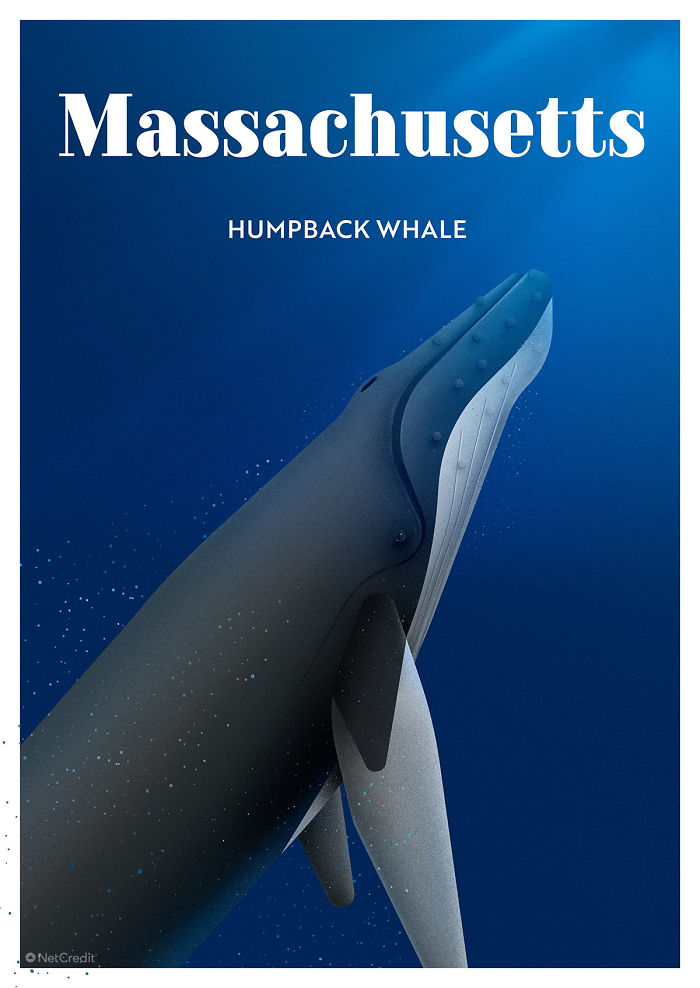
#10 Humpback Whale
Once hunted to near-extinction, the humpback whale is making a slow recovery. However, ship collisions and noise pollution continue to pose significant threats to their survival.
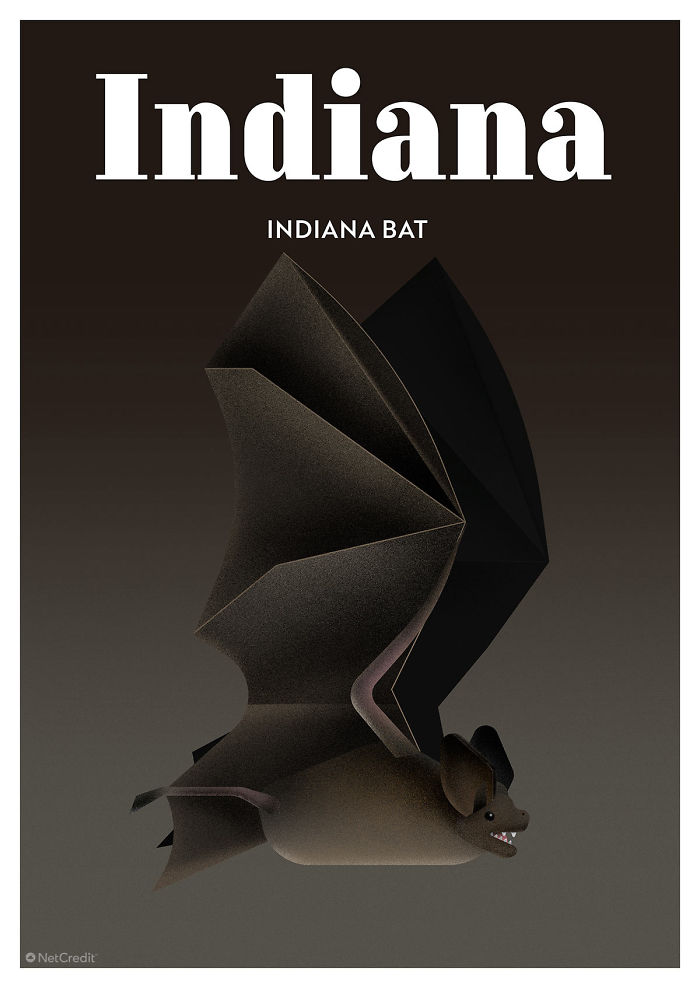
#11 Indiana Bat
The Indiana bat has been endangered since 1967, largely due to commercial caving and pollution. White-nose syndrome has devastated their numbers, with over a million bats dying since 2006.
Enjoying this so far? Follow us for more
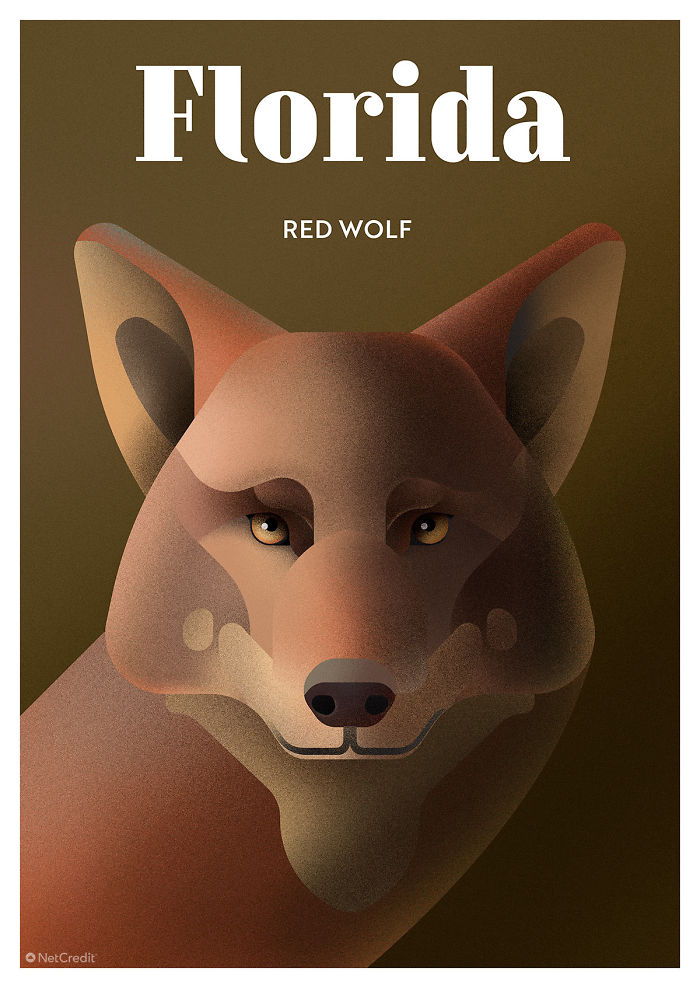
#12 Red Wolf
The red wolf, a mix of gray wolf and coyote, faces threats from human persecution and habitat loss. Today, the last remaining red wolves exist only in captivity.
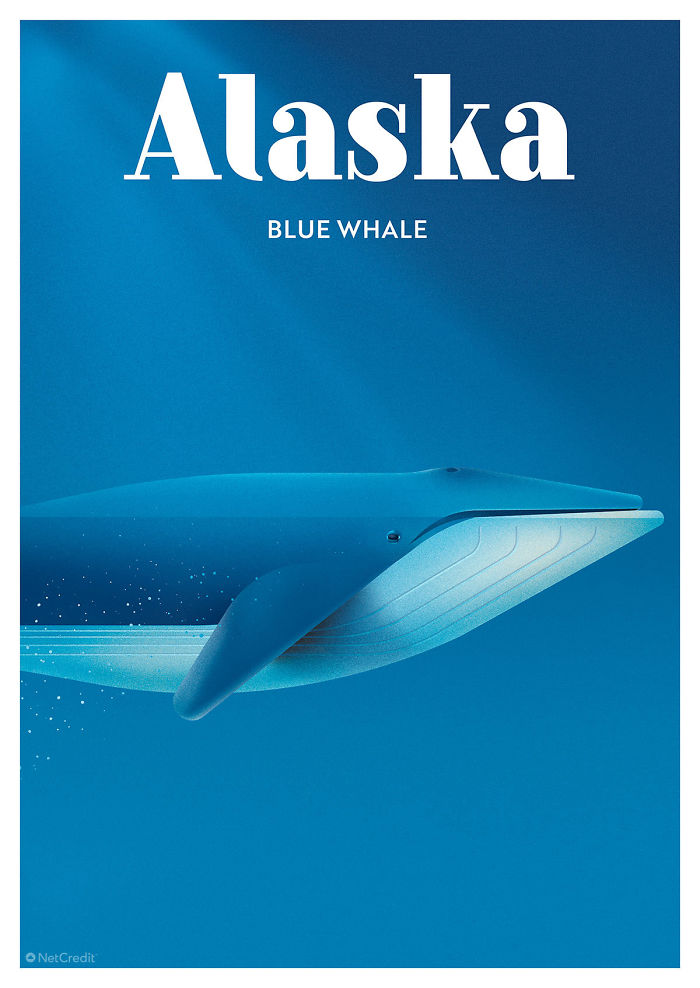
#13 Blue Whale
As the largest creature on Earth, the blue whale was driven to the brink of extinction by commercial whaling. Although protected since 1966, they still face threats from ship collisions and ocean noise.
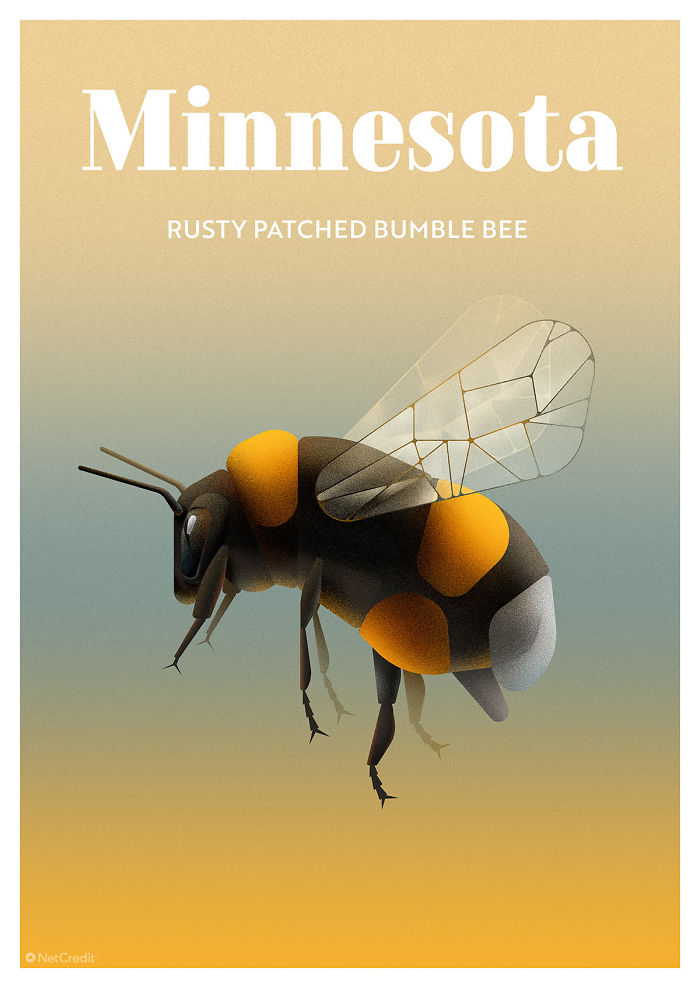
#14 Rusty Patched Bumble Bee
Bumble bees are vital pollinators, but their numbers have declined due to habitat loss and climate change. The rusty patched bumble bee is one of the most affected, with conservation efforts focusing on restoring native plants and reducing pesticide use.
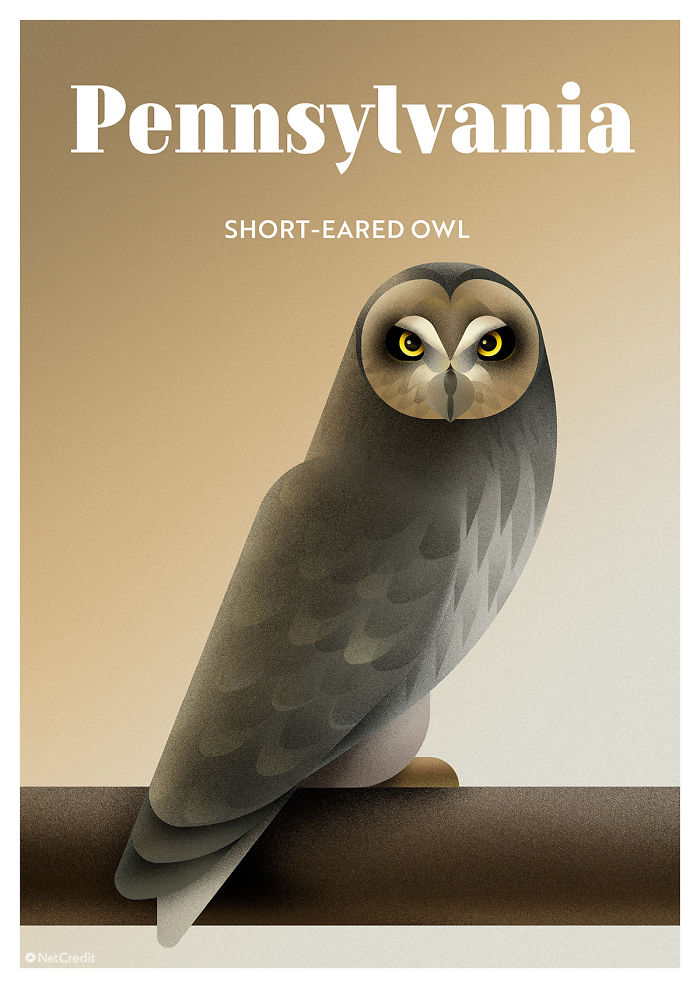
#15 Short-Eared Owl
This owl, known for its tufted ears, nests in grasslands that are increasingly threatened by development. Intensive agricultural practices have reduced the available habitat for this species.
Enjoying this so far? Follow us for more
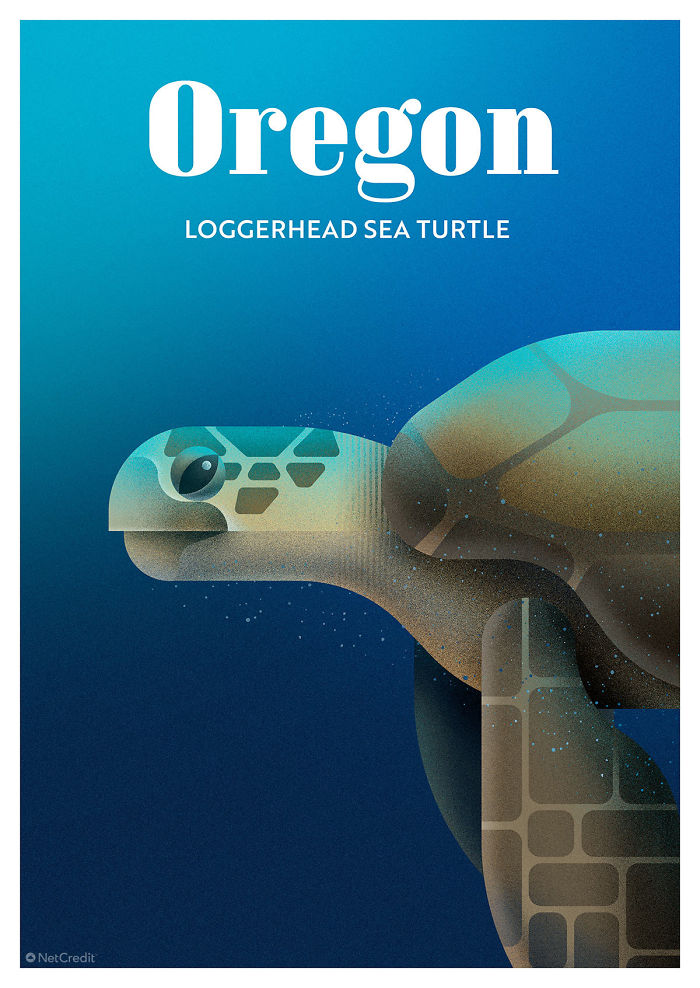
#16 Loggerhead Sea Turtle
Loggerhead sea turtles face threats from pollution, trawling, and poaching. Conservation efforts include modifying fishing gear and implementing lighting systems to help hatchlings find their way to the ocean.
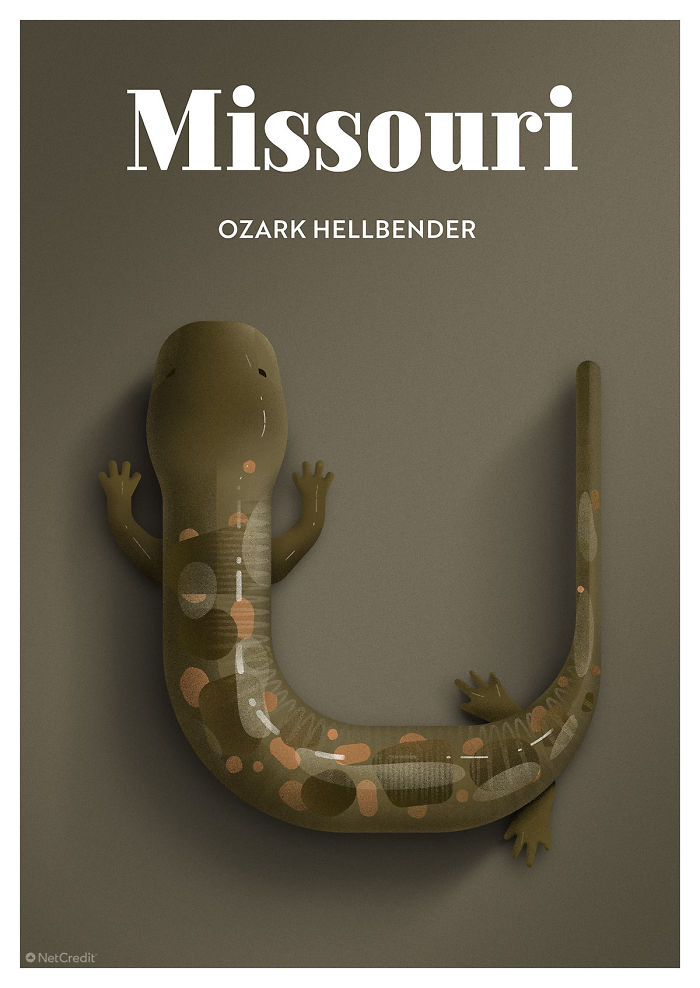
#17 Ozark Hellbender
This ancient salamander, known for its curved shape, is threatened by habitat loss and pollution. Its survival depends on clean, flowing streams.
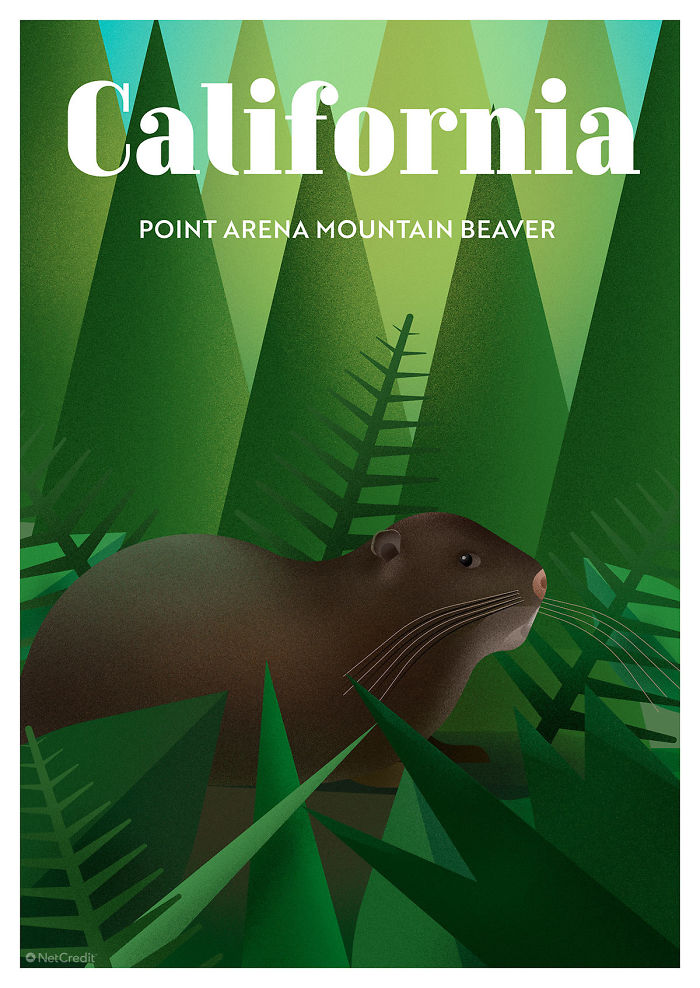
#18 Point Arena Mountain Beaver
Considered a ‘living fossil,’ the mountain beaver is under threat due to habitat loss from development. Conservation efforts are underway to study and preserve this unique species.
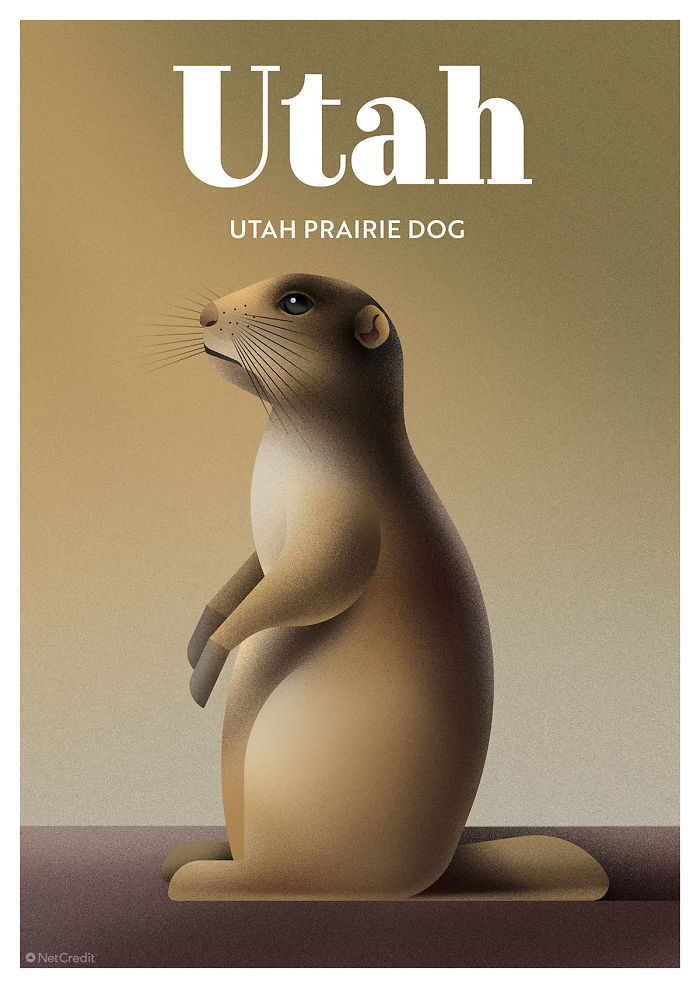
#19 Utah Prairie Dog
Once considered a pest, the Utah prairie dog has seen a dramatic decline due to poisoning and habitat loss. Conservation efforts include land management and voluntary agreements with landowners.
Enjoying this so far? Follow us for more
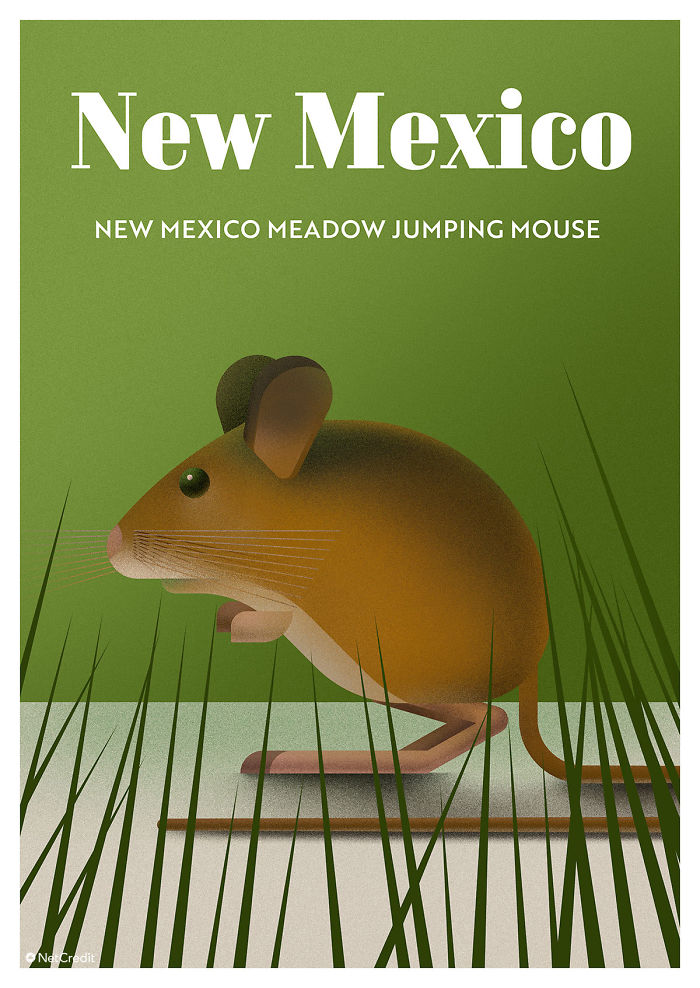
#20 New Mexico Meadow Jumping Mouse
This nocturnal mouse relies on running water and is vulnerable to habitat destruction caused by livestock and environmental changes. Conservation efforts focus on preserving wetland areas.
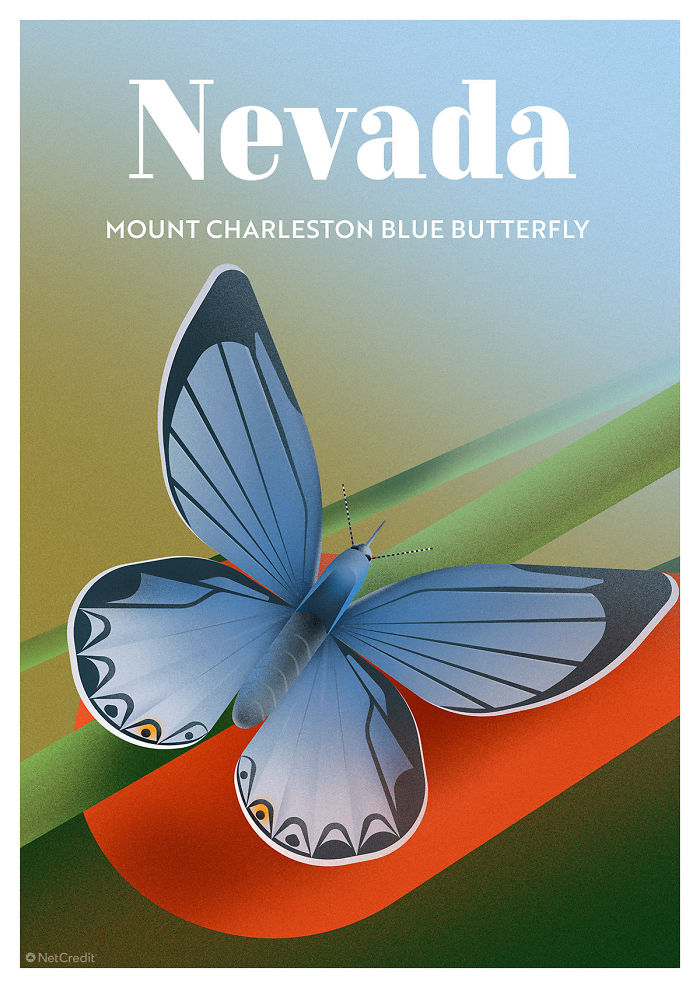
#21 Mount Charleston Blue Butterfly
Fire is one of the biggest threats to this butterfly, which is already struggling due to habitat loss. Conservationists are planting nectar plants to help restore their population.
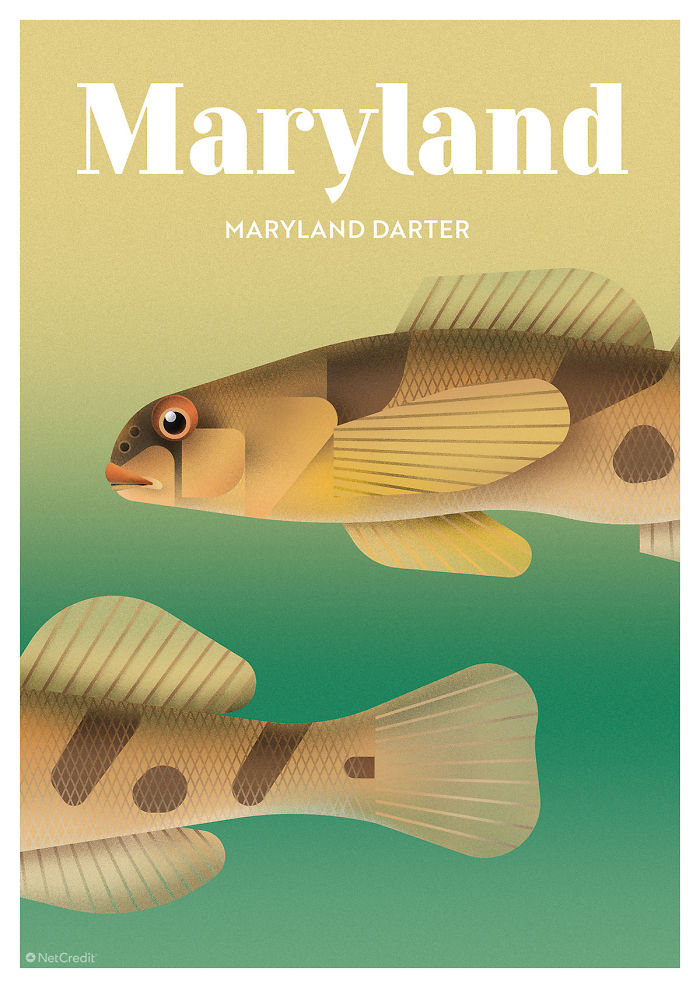
#22 Maryland Darter
This endemic fish was nearly lost to history, with the last sighting over 30 years ago. Experts are still debating whether it is truly extinct, but its reliance on clean water makes its survival challenging.
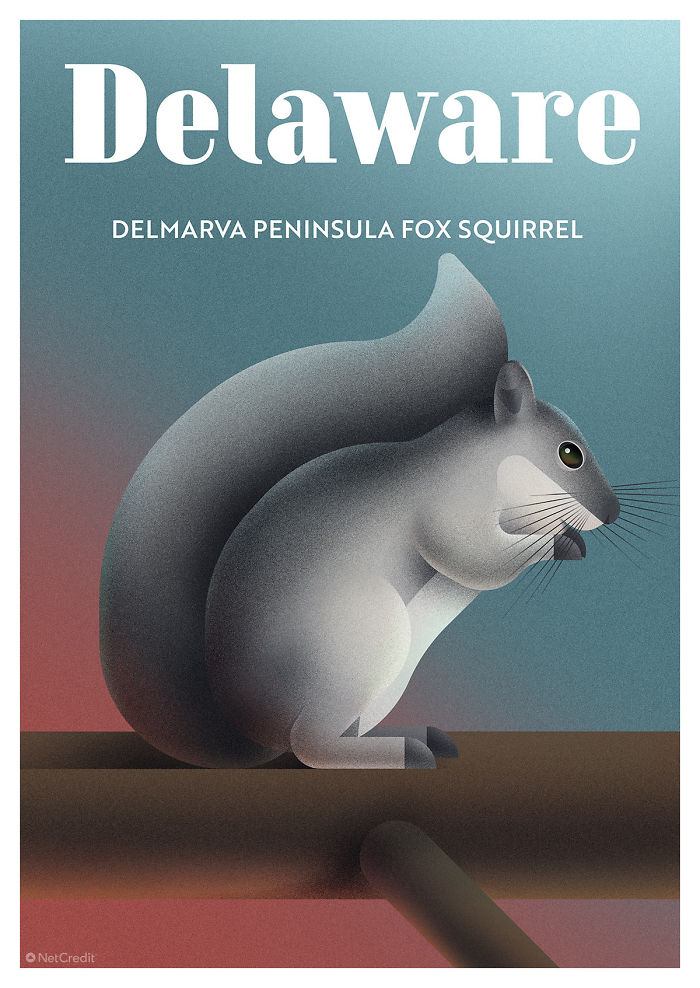
#23 Delmarva Peninsula Fox Squirrel
This shy squirrel is threatened by logging and development. A relocation program aims to restore its population and expand its range.
Enjoying this so far? Follow us for more
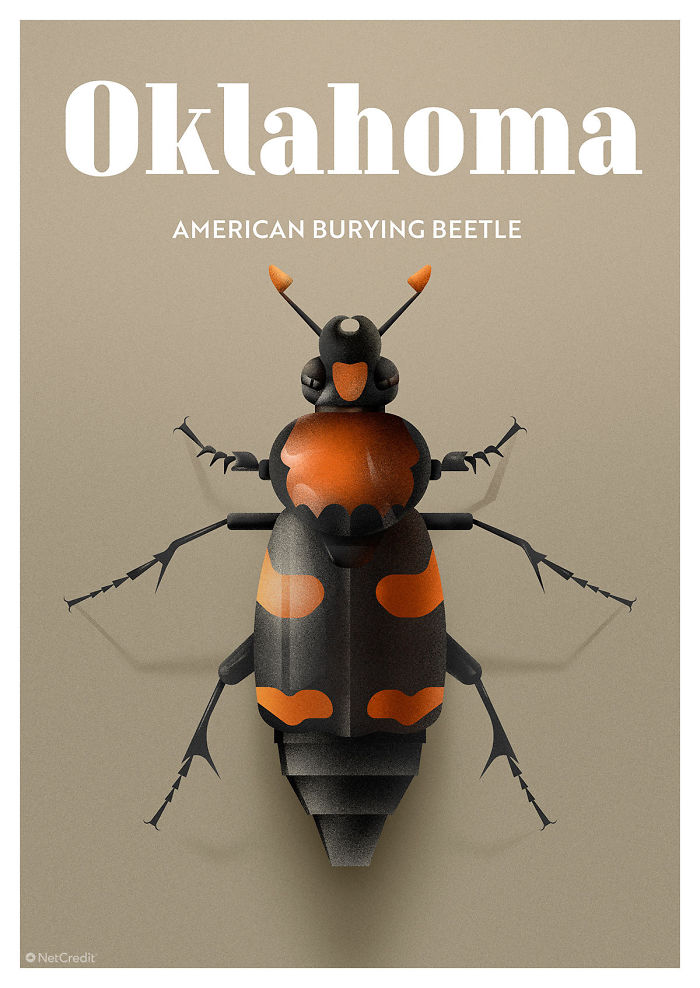
#24 American Burying Beetle
This beetle, known for its sinister habits, relies on dead animals for food. As small mammals decline, so do the beetles’ opportunities for survival.
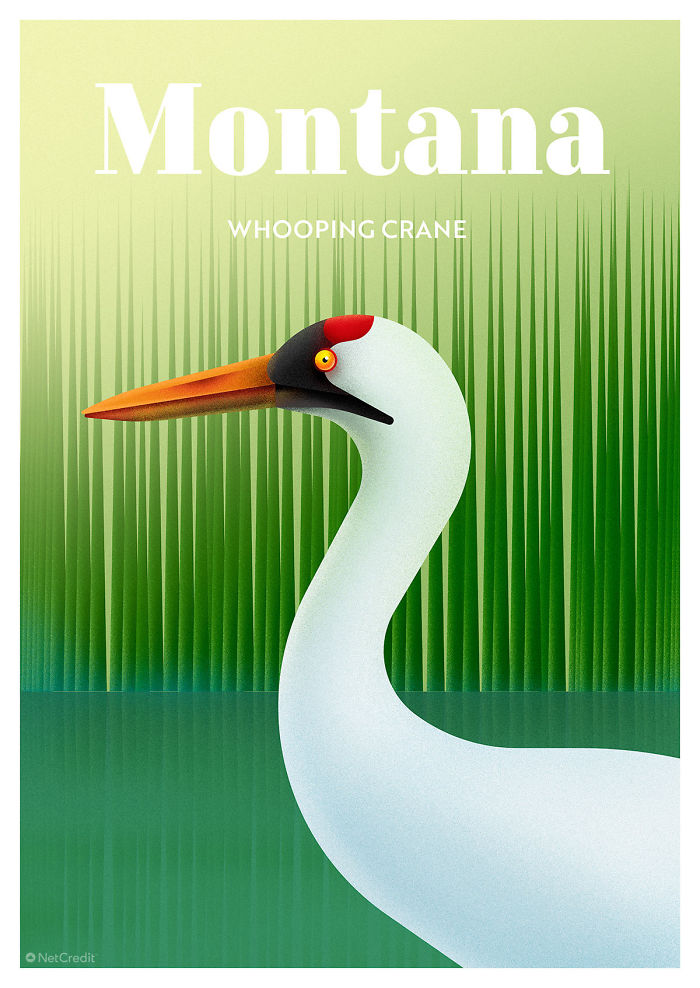
#25 Whooping Crane
Once numbering over 1,000, the whooping crane is now critically endangered. Habitat loss and slow breeding rates have left fewer than 320 individuals in the world.
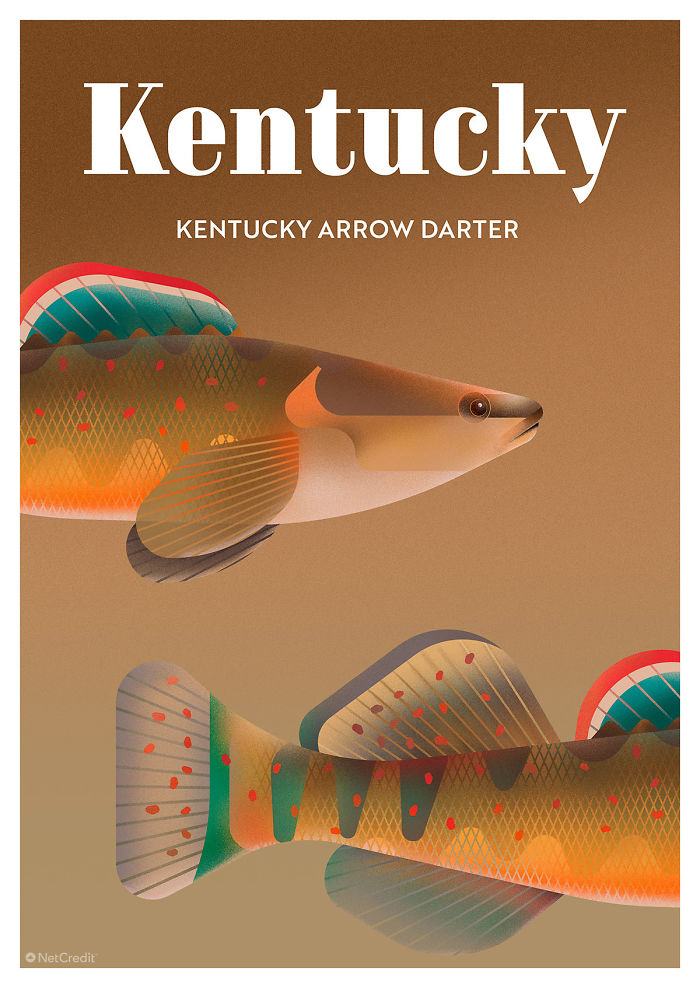
#26 Kentucky Arrow Darter
This colorful fish is threatened by industrial pollution and habitat disruption. Conservation efforts are focused on protecting its remaining stream habitats.
#27 Neosho Mucket
This freshwater mussel is threatened by pesticides and reservoir construction. Its survival depends on clean water and stable river conditions.

Enjoying this so far? Follow us for more
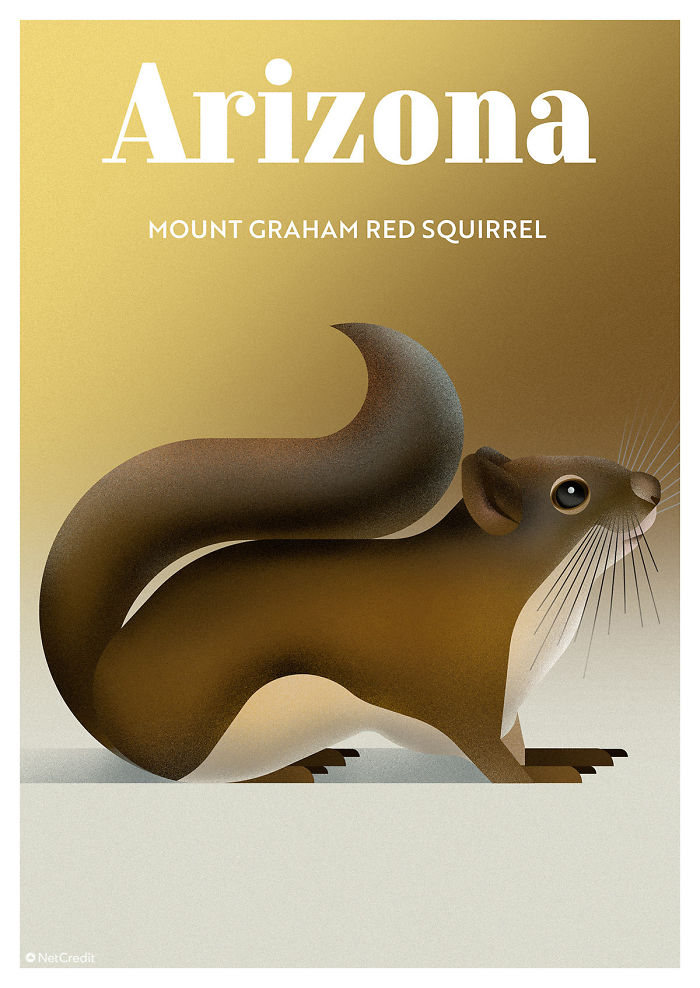
#28 Mount Graham Red Squirrel
Once thought extinct, the Mount Graham red squirrel is now critically endangered due to a devastating fire. Conservationists are working to protect its habitat and restore its population.
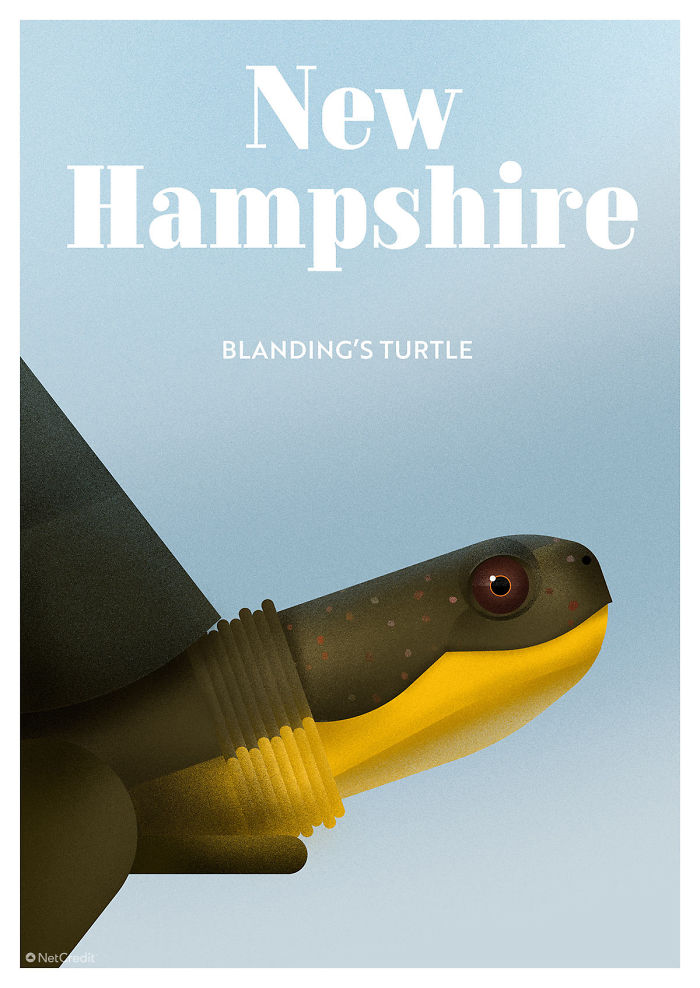
#29 Blanding’s Turtle
This long-lived turtle is threatened by habitat loss and urbanization. Conservationists are mapping its movement patterns to create protected areas.
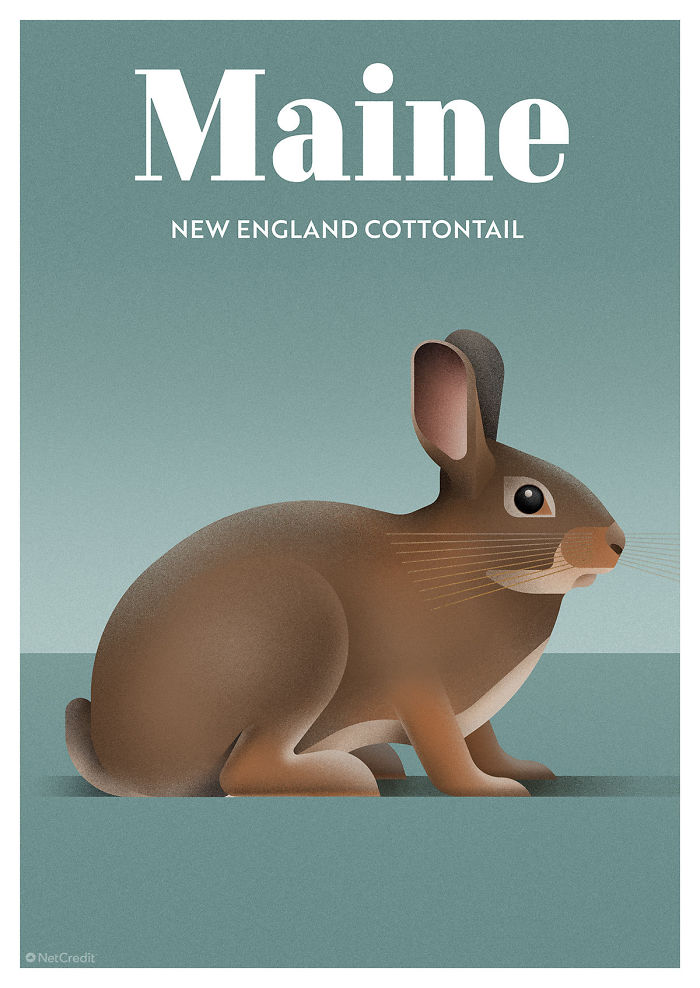
#30 New England Cottontail
Habitat fragmentation has led to a significant decline in this rabbit’s population. Predators and limited space make it harder for them to survive.
#31 Iowa Pleistocene Snail
This tiny snail is a relic of the Ice Age and survives only in specific microhabitats. Climate change and land development threaten its survival.

Enjoying this so far? Follow us for more
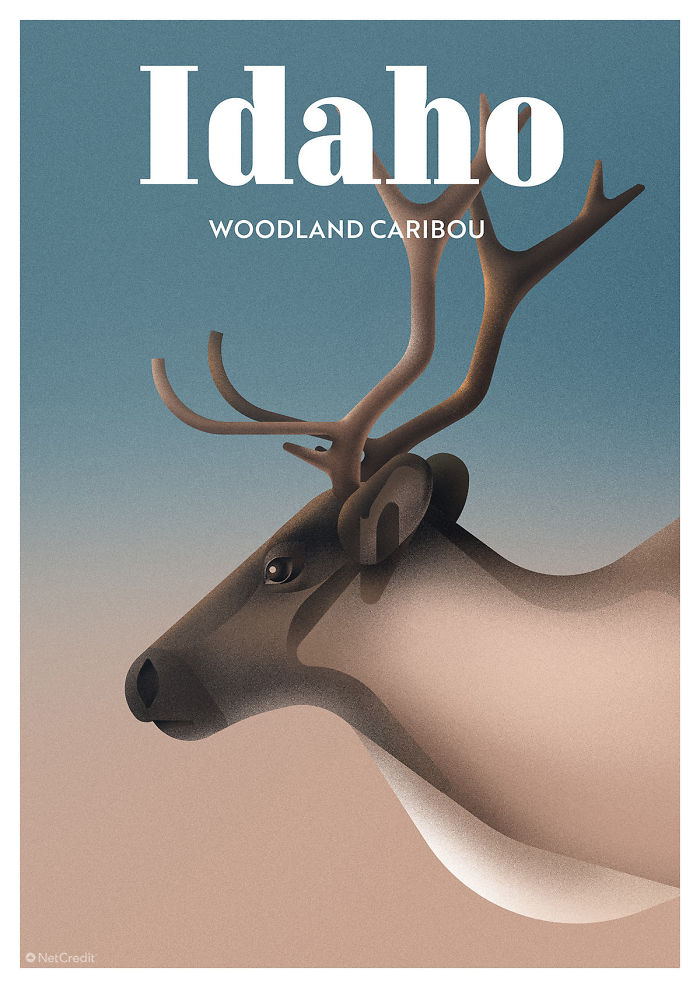
#32 Woodland Caribou
With fewer than three individuals remaining in the contiguous United States, the woodland caribou is on the brink of extinction. Aggressive logging has destroyed their food sources, and their future remains uncertain.
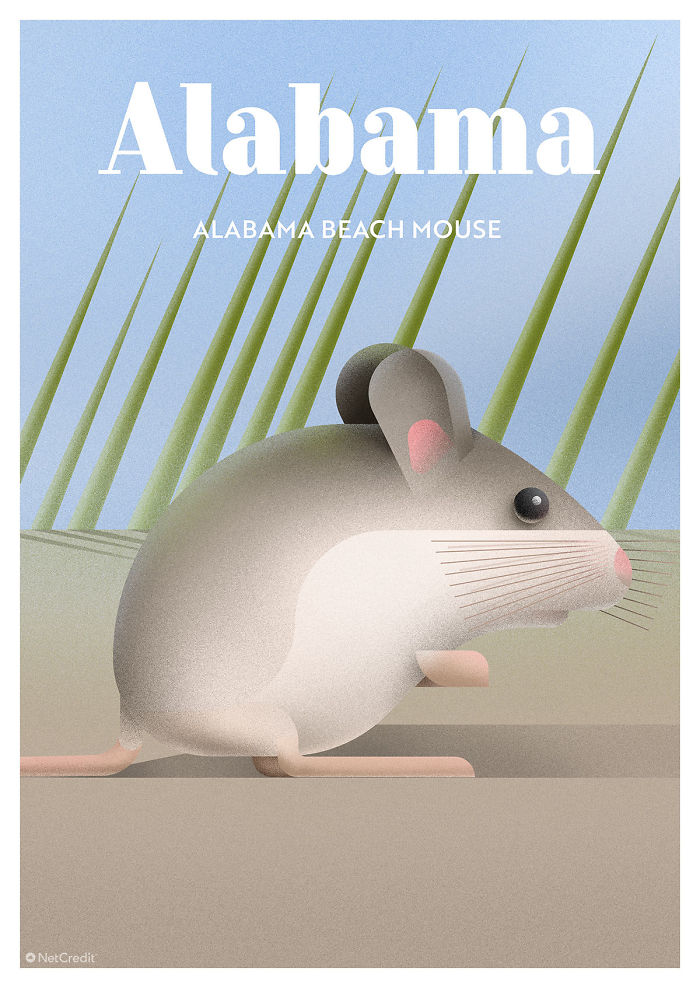
#33 Alabama Beach Mouse
This small mouse is threatened by coastal development, oil spills, and hurricanes. Conservation efforts focus on protecting its dune habitat.
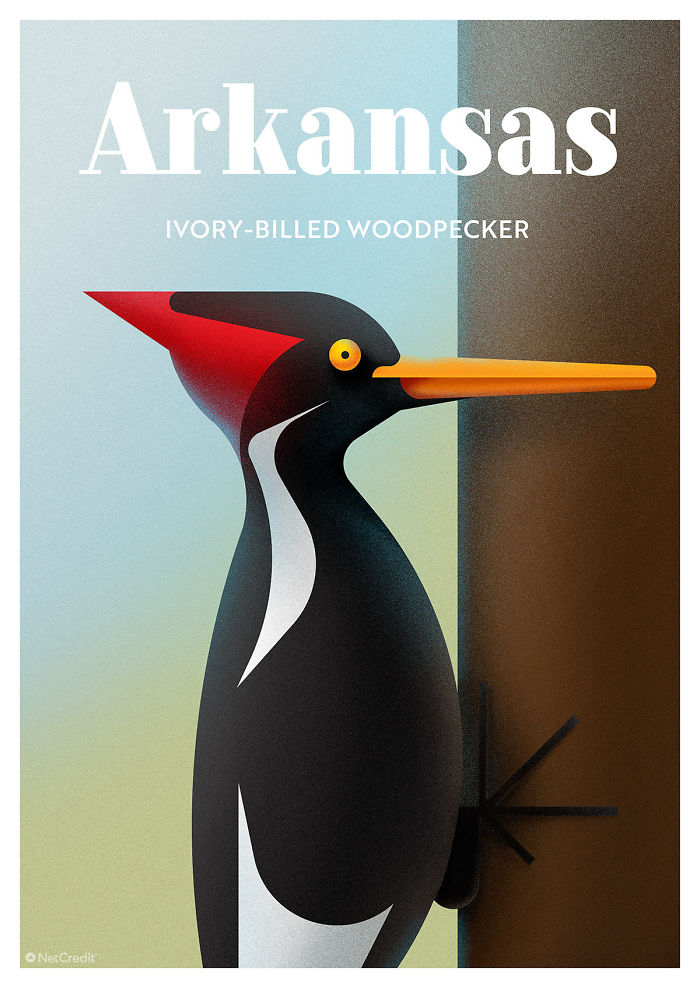
#34 Ivory Billed Woodpecker
Once thought extinct, the ivory-billed woodpecker continues to elude definitive confirmation. Logging was the primary cause of its decline, and its survival remains uncertain.
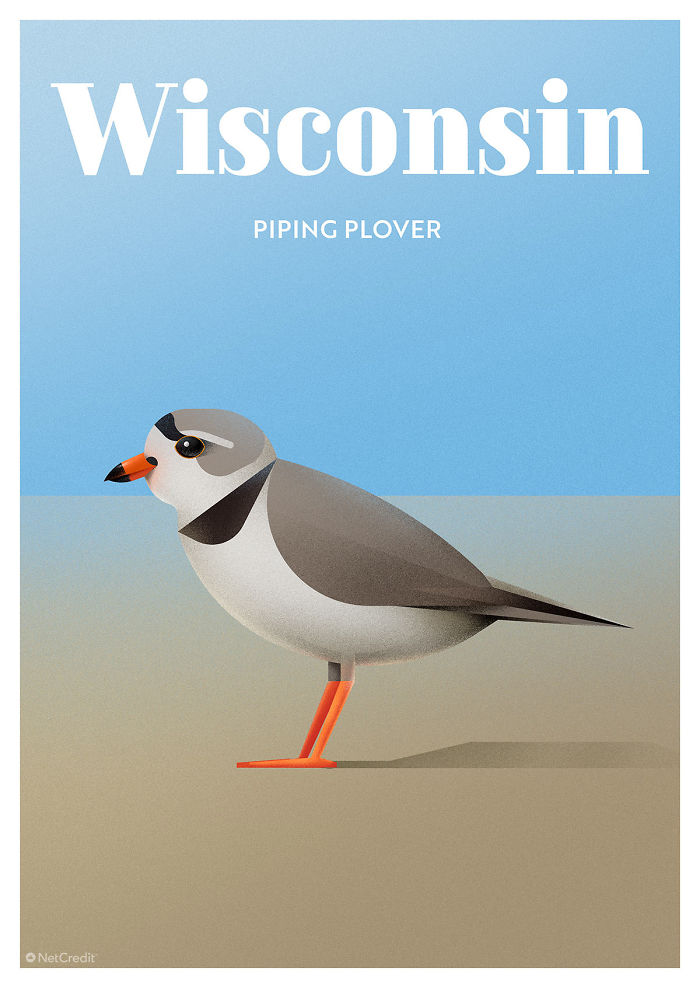
#35 Piping Plover
This shorebird is threatened by beachgoers and habitat destruction. Conservationists are working to designate safe nesting areas for the species.
Enjoying this so far? Follow us for more
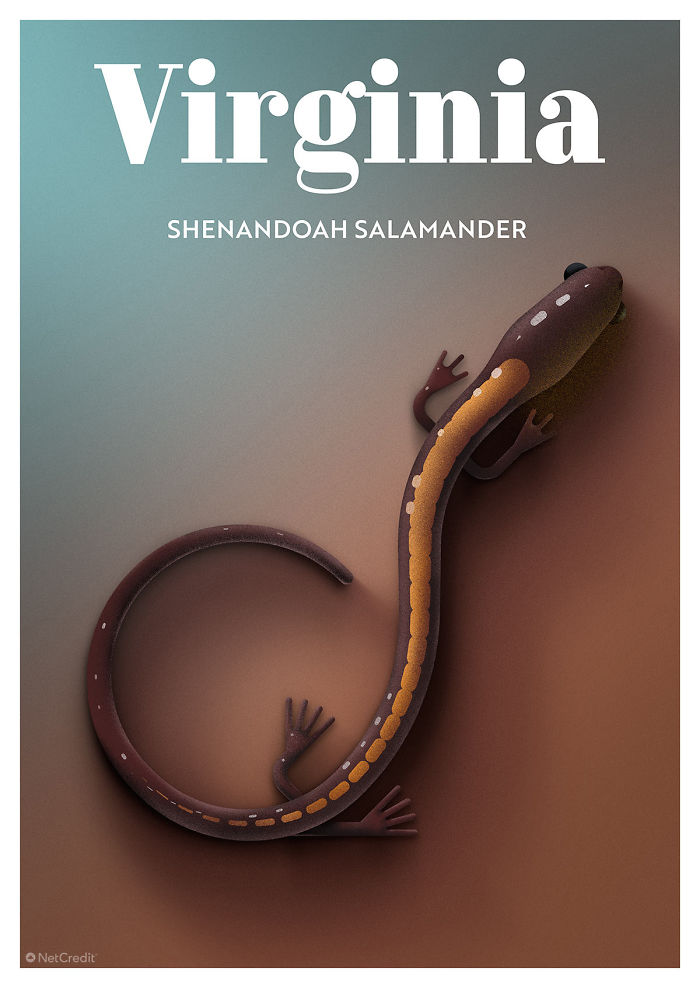
#36 Shenandoah Salamander
This lungless salamander is found only in the high elevations of the Shenandoah National Park. Its limited habitat has led to critically low numbers, with competition from other species adding to the challenge.
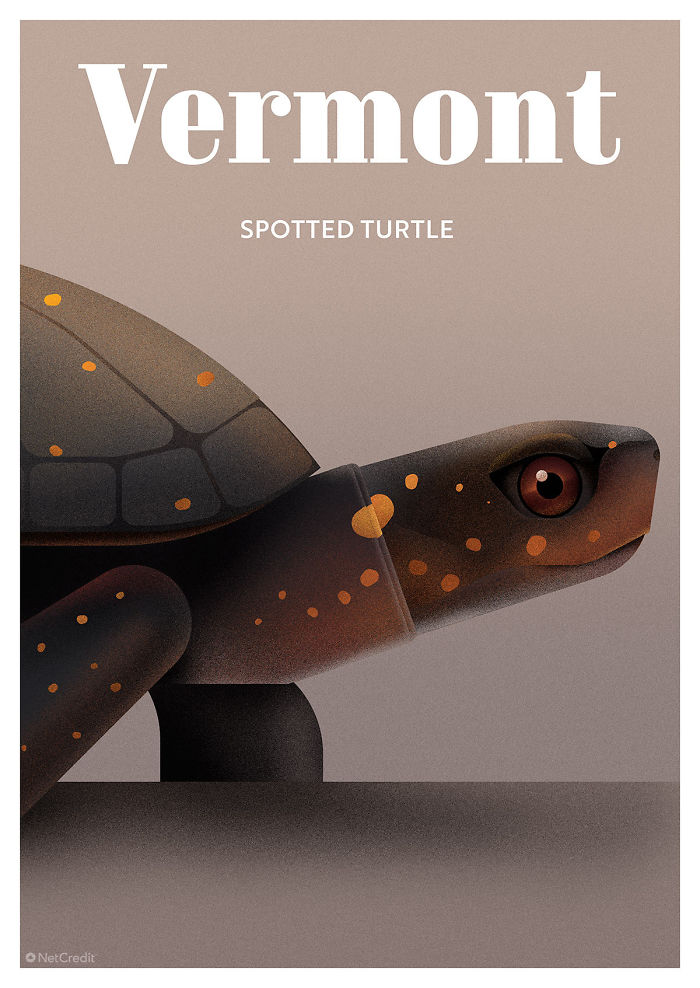
#37 Spotted Turtle
This turtle is targeted for illegal pet trade, despite being on the endangered list. Conservationists are working to enforce laws against its exploitation.
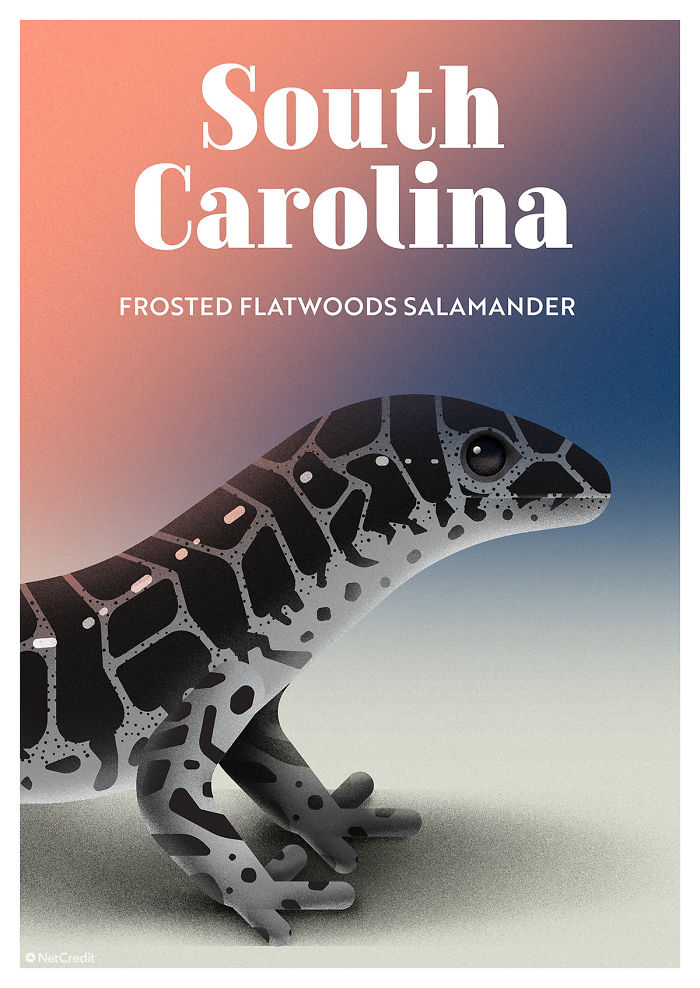
#38 Frosted Flatwoods Salamander
This salamander is threatened by land development and habitat fragmentation. Conservation efforts are focused on protecting its remaining wetland areas.
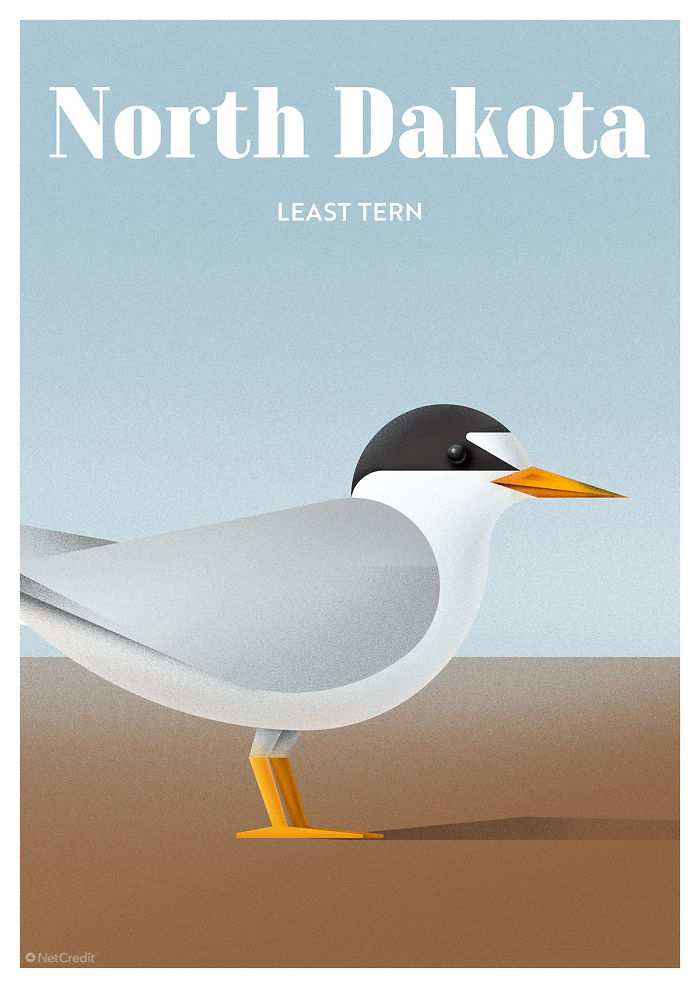
#39 Least Tern
Development along rivers has disrupted the least tern’s habitat. Conservationists are creating artificial nesting sites to support their survival.
Enjoying this so far? Follow us for more
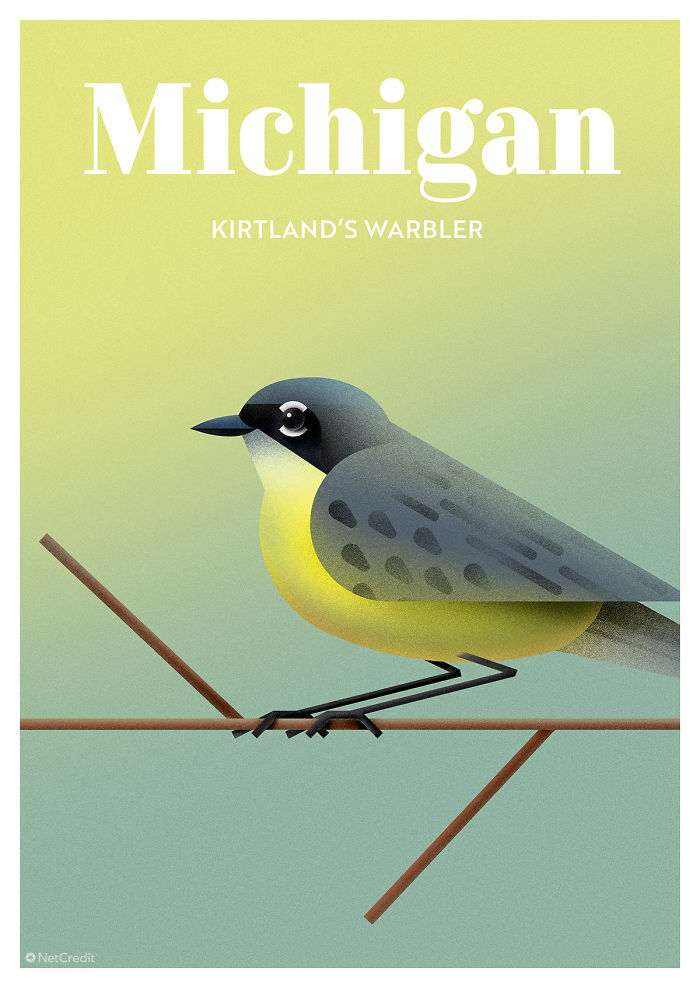
#40 Kirtland’s Warbler
Once nearly extinct, the Kirtland’s warbler is making a comeback thanks to habitat restoration efforts. Fire suppression in the 20th century initially hindered its recovery.
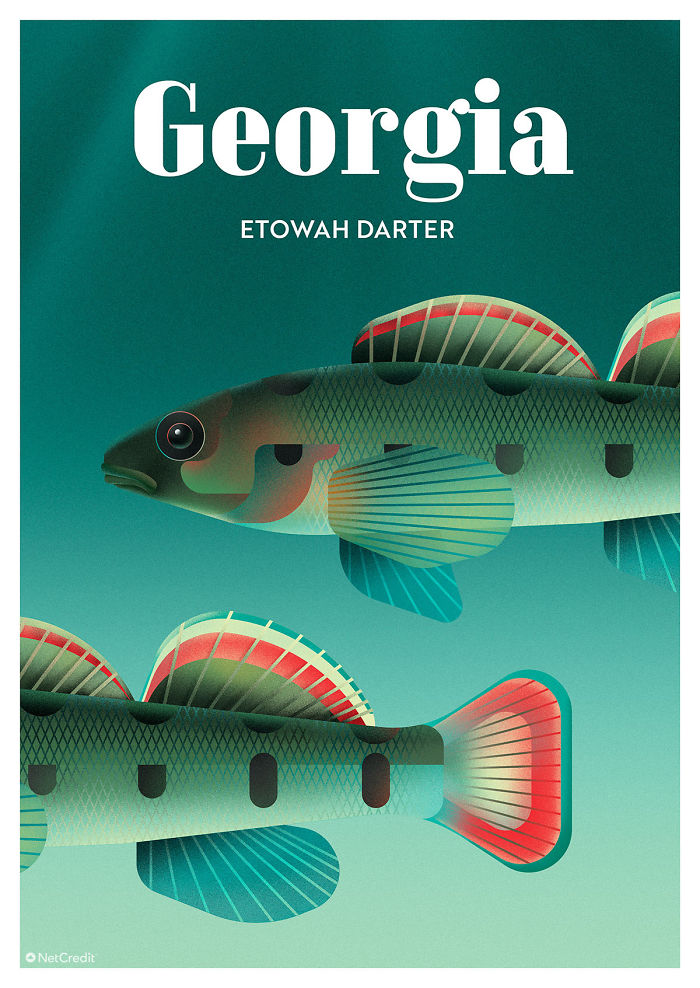
#41 Etowah Darter
This small fish is threatened by industrialization and habitat degradation. Conservationists are working to protect its clear, flowing waters.
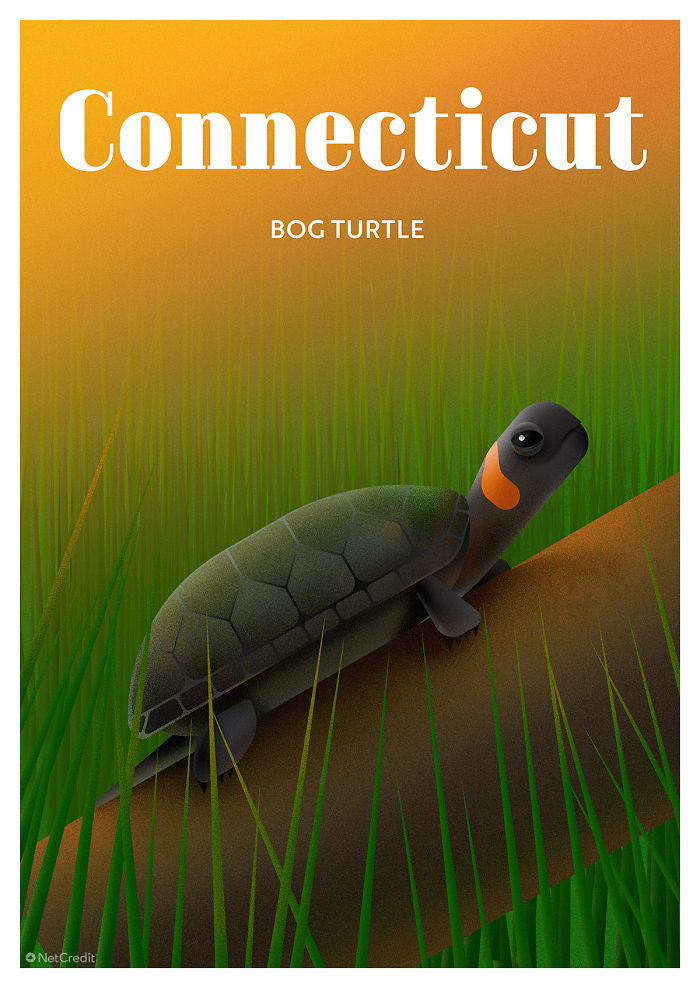
#42 Bog Turtle
The bog turtle is threatened by habitat loss and predation. Conservation efforts focus on preserving wetlands and managing predator populations.
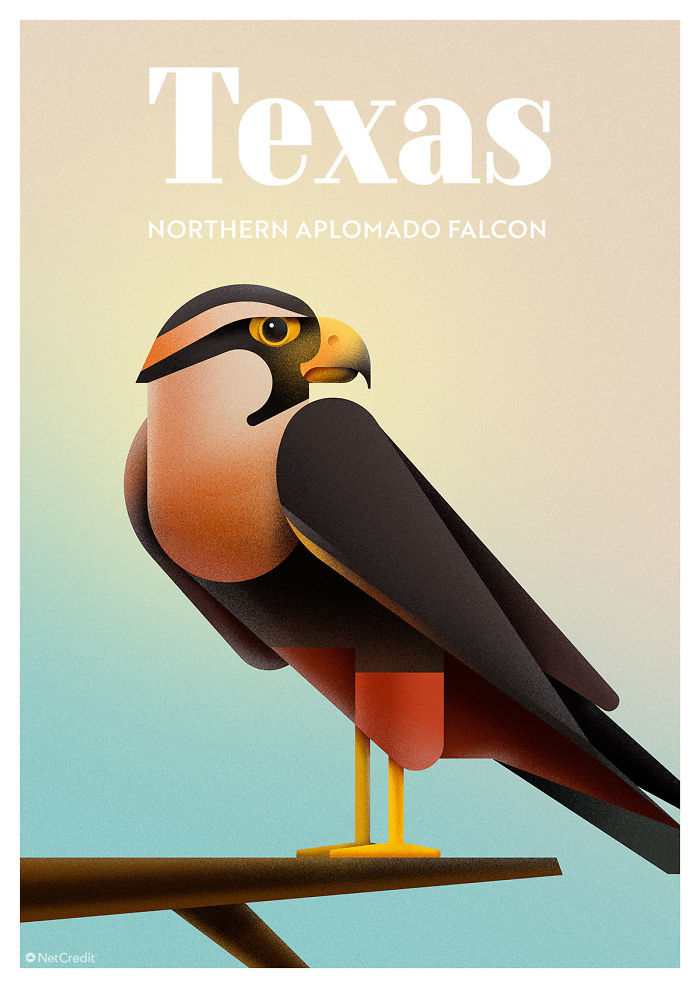
#43 Northern Aplomado Falcon
This falcon is threatened by the decline of prairie dogs and climate change. Captive breeding programs are helping to reintroduce them into the wild.
Enjoying this so far? Follow us for more
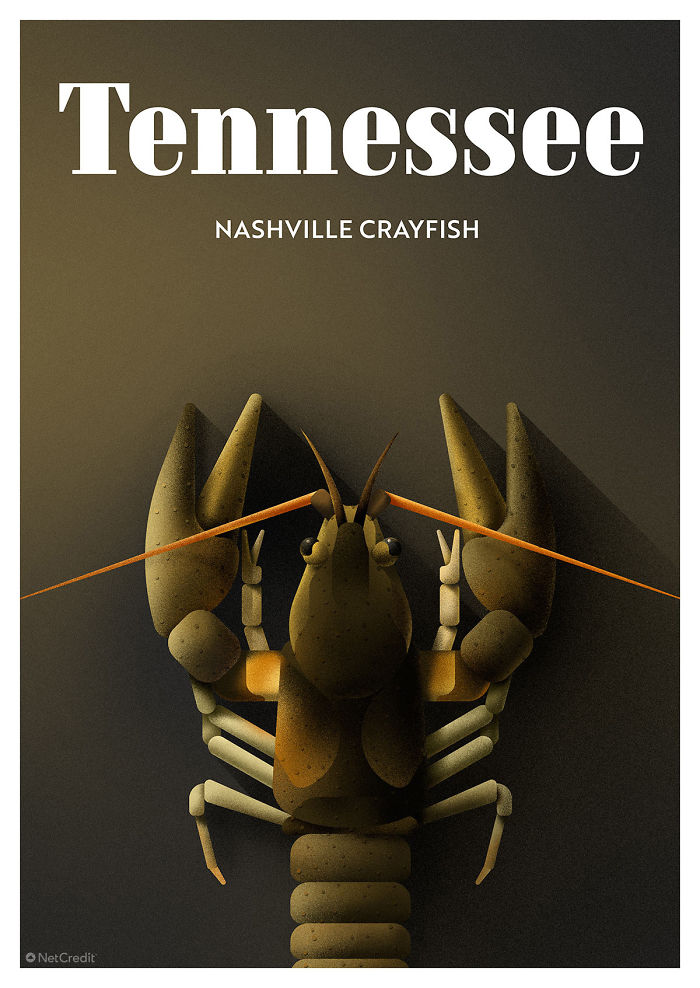
#44 Nashville Crayfish
This crayfish is threatened by pollution and habitat degradation. Conservation efforts include reducing runoff from car-washing and garden pesticides.
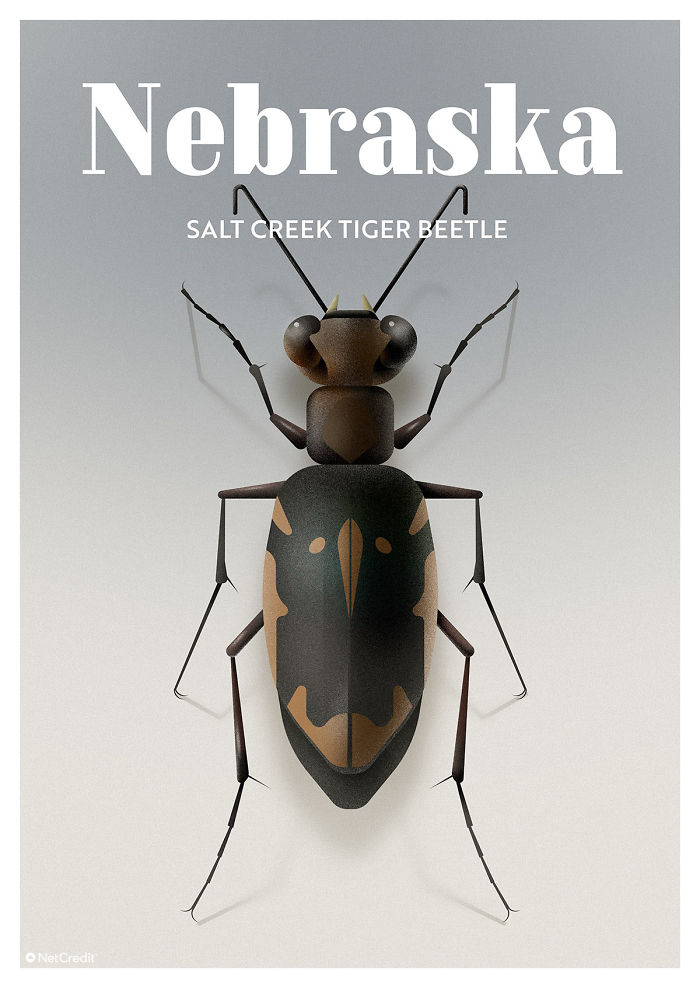
#45 Salt Creek Tiger Beetle
This beetle spends most of its life underground and is threatened by pollution and urban development. Conservationists are working to protect its habitat.
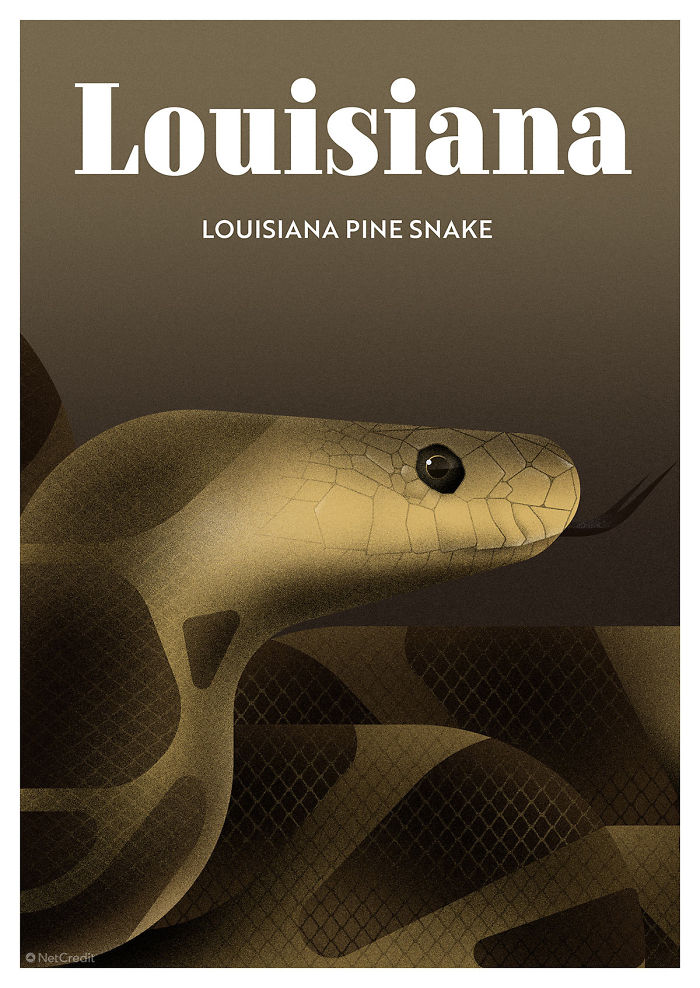
#46 Louisiana Pine Snake
This non-venomous snake is threatened by logging and fire suppression. Conservationists believe there are only a few thousand left in a drastically reduced habitat.
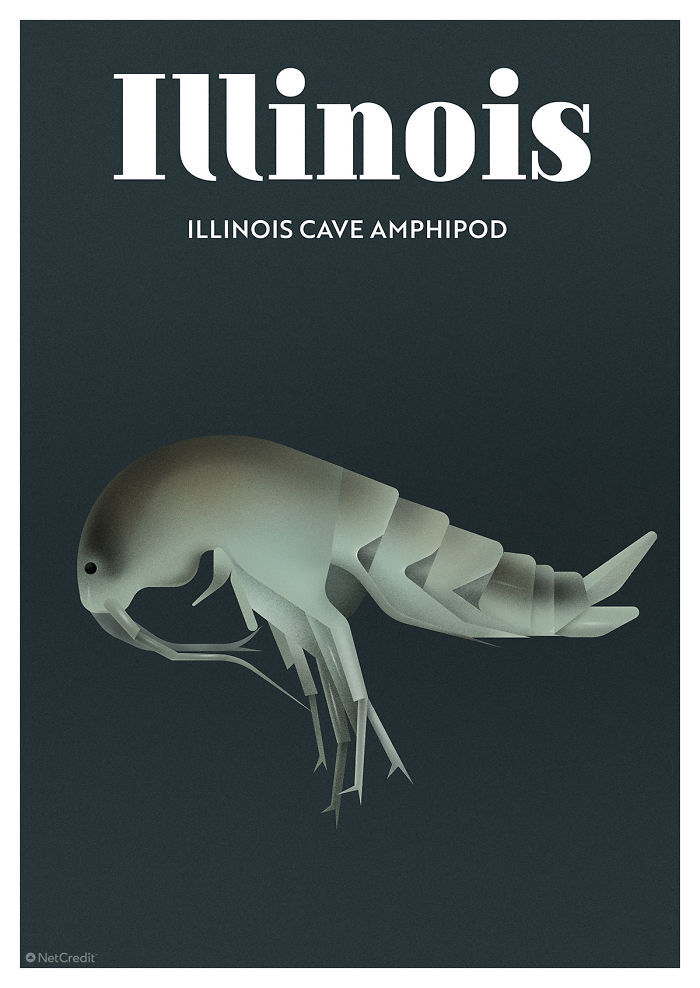
#47 Illinois Cave Amphipod
This tiny crustacean is sensitive to pollution and is used as an indicator of water quality. Conservation efforts aim to restore its cave habitat by 2023.
Enjoying this so far? Follow us for more
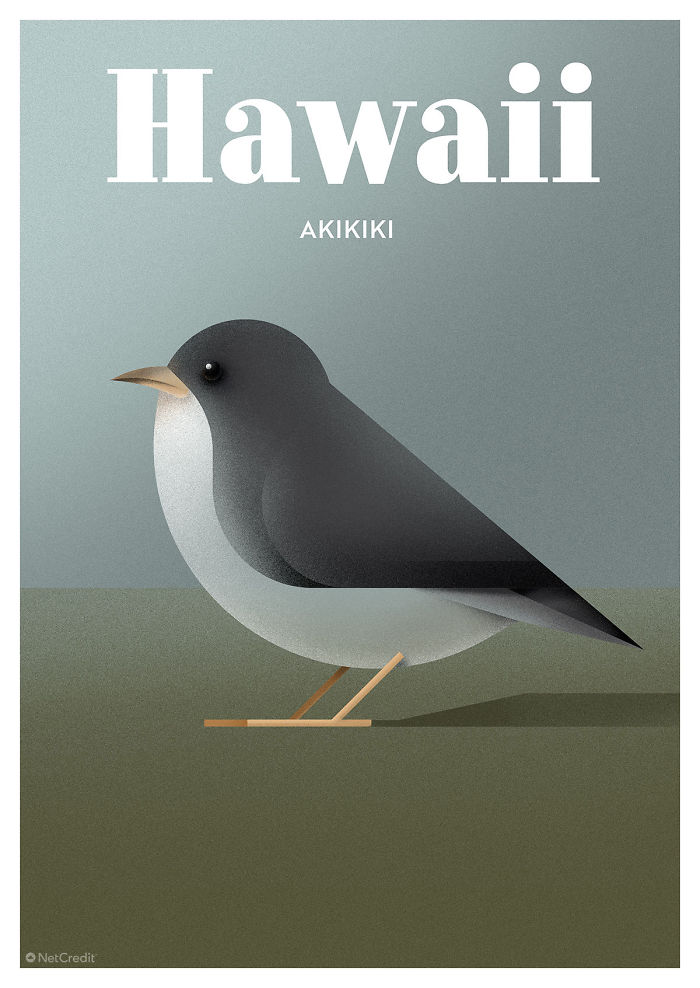
#48 Akikiki
This bird is threatened by avian malaria and introduced predators. Conservationists are working to protect its remaining population on Kaua’i.
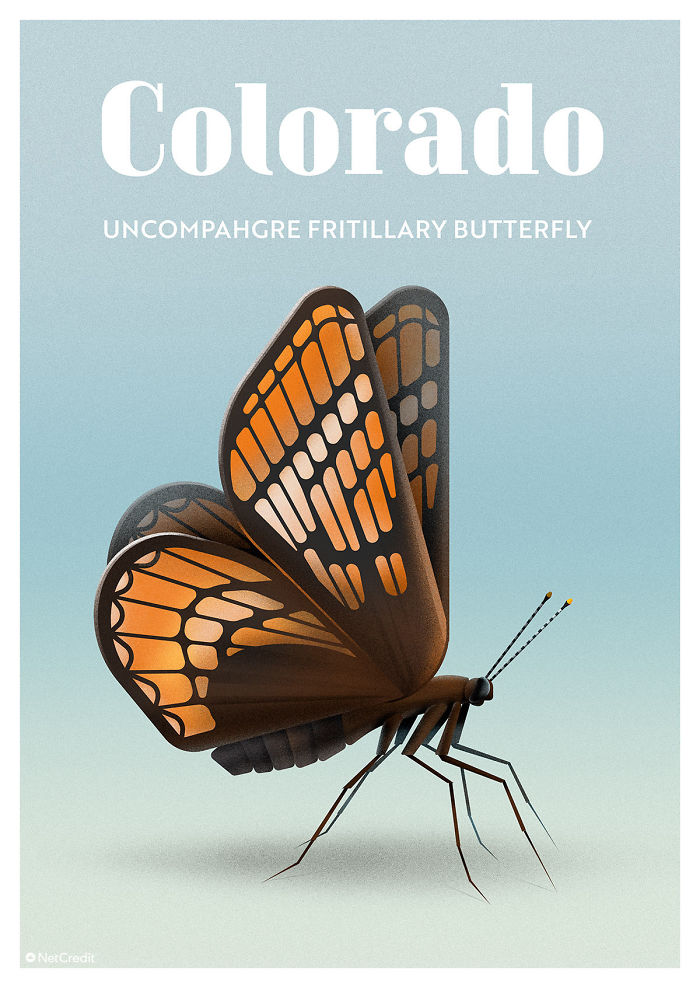
#49 Uncompahgre Fritillary Butterfly
This butterfly is threatened by habitat loss and human activity. Conservation efforts focus on protecting its high-altitude habitat.
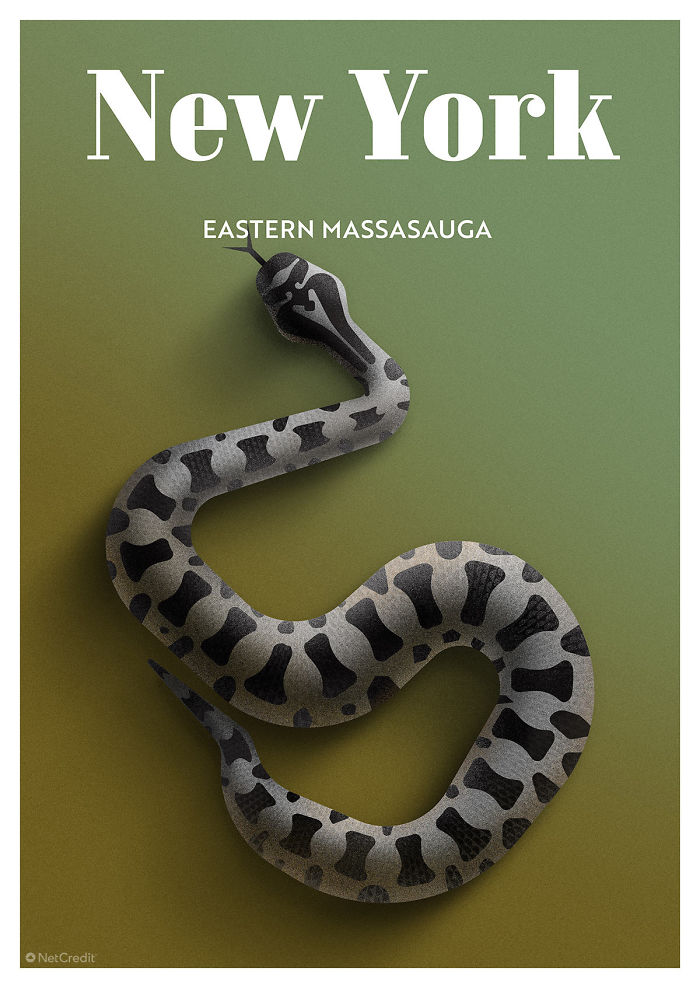
#50 Eastern Massasauga
This venomous snake is threatened by habitat loss and human persecution. Conservationists are working to protect its remaining populations.
Posting Komentar untuk "Endangered Species Posters by U.S. State"
Please Leave a wise comment, Thank you