
E-Bike Adventures: Tech Unlocks 1,000 Miles of Rugged Trails

Mountain trails once considered too steep, too long, or too punishing are becoming newly accessible. In 2026, e-bike expeditions are reshaping how riders experience elevation, endurance, and distance. Advances in battery range, motor efficiency, and lightweight frames have expanded access to routes that previously demanded elite conditioning. The result is not a shortcut, but a shift in possibility. Technology is redefining what feels reachable, opening nearly 1,000 miles of terrain that once seemed out of range.
Extended Range Changes What a Day Ride Means

Modern e-bikes now offer battery capacities that support extended climbs and longer loops. Riders who once capped their outings at 20 miles can now consider routes stretching 40 or 60 miles, depending on terrain and assist level. This expansion transforms how backcountry maps are read. Trail networks connect in ways that previously required overnight planning. The assist does not eliminate effort; it redistributes it. Descents remain technical and engaging. The extended range invites exploration beyond the familiar trailhead. Riders can approach remote ridgelines with confidence. The psychological barrier of distance begins to dissolve.
Steep Terrain Becomes Technically Accessible

High-torque motors allow riders to navigate sustained gradients that once demanded peak conditioning. Rocky switchbacks and alpine ascents no longer end the ride prematurely. Instead of dismounting repeatedly, cyclists maintain a steady cadence. The experience becomes about line choice and control rather than raw power alone. This shift broadens participation without removing challenge. Technical handling skills still matter. Balance and awareness remain essential. The difference lies in sustainability. Climbs that once drained energy early now feel manageable across the full route. Riders can focus on terrain reading rather than survival.
Lightweight Design Preserves Trail Feel

Earlier generations of electric bikes felt heavy and mechanical. In 2026, frame design and battery integration have evolved significantly. Many models distribute weight evenly and respond intuitively to rider input. The ride retains a natural feel, especially on winding singletrack. Suspension systems continue to absorb uneven terrain effectively. This refinement ensures that technology enhances rather than dominates the experience. Riders report that assistance feels subtle, not intrusive. Handling remains dynamic on descents. By preserving responsiveness, modern e-bikes avoid the sensation of being motor-driven machines.
Multi-Day Routes Become More Realistic

E-bike expeditions are also expanding into multi-day adventures. With portable charging systems and strategically located charging hubs, riders can plan extended journeys across mountain corridors. Hut-to-hut travel in Europe and backcountry lodge circuits in North America are adapting to support electric mobility. This infrastructure growth widens the scope of possible itineraries. The expedition mindset shifts from endurance testing to immersive exploration. Mountain passes once requiring significant recovery time now integrate smoothly into longer arcs. Technology allows ambition without exhaustion, defining the journey.
Affordable Access Broadens Participation

E-bike rental programs have expanded in many mountain regions. This makes high-quality models more easily available without requiring full ownership. Guided expeditions increasingly include electric options alongside traditional bikes. The cost-effective entry point encourages trial without long-term commitment. Families and mixed-ability groups can ride together with less disparity in pace. This shared access strengthens group cohesion. Riders who might otherwise hesitate at elevation gain now participate confidently. Accessibility does not dilute experience; it widens inclusion. The mountain becomes less exclusive.
Environmental Conversations Continue
As e-bike use increases, conversations around trail impact remain active. Many regions regulate motor wattage and restrict access to certain protected areas. Responsible riding practices are essential. Staying on designated trails, respecting wildlife corridors, and adhering to local guidelines preserve access long term. The technology itself is quiet and low-emission, yet rider behavior determines sustainability. Mountain communities increasingly integrate e-bike infrastructure thoughtfully. Access must coexist with conservation. When managed responsibly, expanded mobility and environmental respect can align rather than conflict.
A Redefinition of “Impossible”
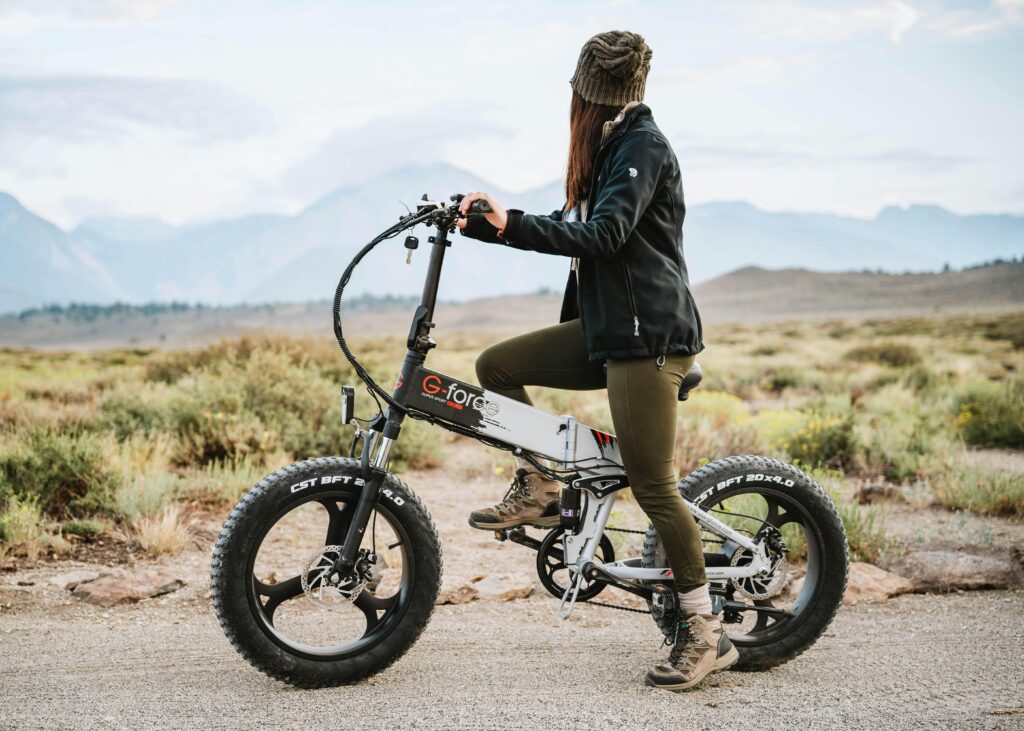
The phrase “impossible trail” is being reconsidered. What once meant unattainable now often signals a new strategy. E-bike expeditions do not remove effort; they redistribute it intelligently. Riders still sweat, navigate, and commit. The difference lies in endurance thresholds and route length. Technology expands horizons without flattening challenges. For many cyclists, the shift feels empowering rather than artificial. Mountains remain formidable. Yet the doorway into them stands wider. The modern expedition values perspective and longevity as much as raw exertion. In 2026, possibility stretches further than they once did.
Posting Komentar untuk "E-Bike Adventures: Tech Unlocks 1,000 Miles of Rugged Trails"
Please Leave a wise comment, Thank you