
Antonio Najarro: Bringing Spanish Dance to the World
The Journey of a Shy Child Who Found His Voice in Dance
Antonio Najarro's journey from an introverted and shy child to one of Spain's most celebrated choreographers is a testament to the transformative power of dance. Growing up in Málaga, he was immersed in Andalusian folklore and the vibrant energy of the Feria de Málaga. These experiences sparked his early fascination with movement, allowing him to gradually shed his shyness through spontaneous performances and the encouragement of the crowd.
His family recognized the potential in his passion and encouraged him to pursue it professionally. This led him to the Royal Professional Conservatory of Dance in Madrid, where he spent 11 years honing his craft. It was there that he laid the foundation for a career that would become a benchmark in Spain and beyond.
Throughout his career, Najarro has explored various facets of dance. He has performed as a prima ballerina, served as a choreographer, founded his own company, and even created dances for Disney. His work has also extended into the world of elite sports, where he has collaborated with synchronised swimming and figure skating teams.
A Career Built on Curiosity and Innovation
More than three decades after leaving the conservatory, Najarro continues to emphasize the importance of illusion as a creative force. "No two days are the same," he says, reflecting on the dynamic nature of his work. His schedule is a mix of rehearsals, performances, interviews, and projects spanning stage dance and sport. This diversity has not diluted his focus but rather enriched his artistic perspective, fostering a career defined by curiosity and openness to new forms of expression.
From being a first dancer with Spain's National Ballet to becoming its artistic director at just 35, Najarro gained invaluable experience in managing large institutions. This period taught him the complexities of leadership, team management, and administrative processes. In 2002, he founded his own company, which offered a more intimate and flexible environment, allowing for immediate decision-making and a deeper connection with his dancers.
Learning from the Masters and Finding His Own Voice
One of the key figures in Najarro's training was Antonio Gades, a legendary choreographer who emphasized the importance of character over technical virtuosity. Gades taught him that simplicity, when executed with intention and depth, is the most challenging aspect of dance. He recalls an anecdote where Gades made him walk for two hours to embody a character, a lesson that profoundly influenced his approach to Spanish dance.
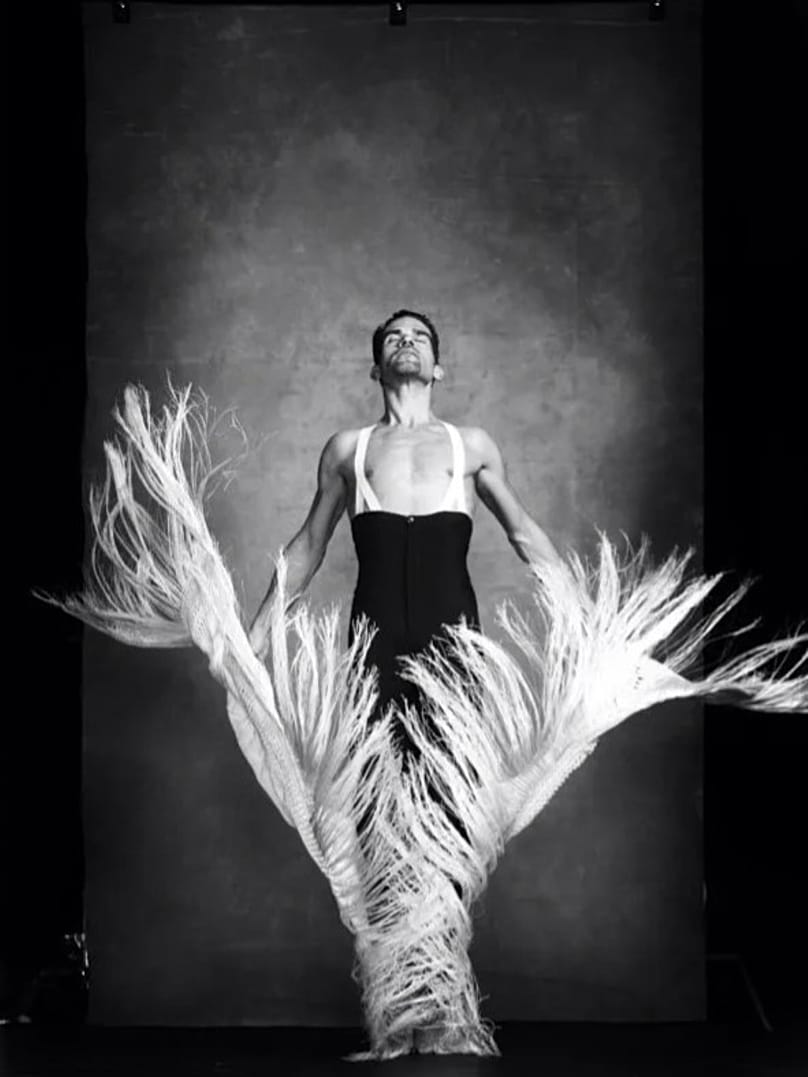
From these formative years with the great masters of Spanish dance, Najarro learned that each creator brings their unique imprint to the art. He draws inspiration from everything around him—fashion shows, films, photographs, and landscapes—and this transversal view has allowed him to explore unconventional territories like figure skating and artistic swimming.
Inspiration Beyond Boundaries
Najarro's collaboration with the world of sport began over 25 years ago, culminating in the success of French figure skaters who won Olympic gold in 2002. This marked a turning point in the discipline, as it began to integrate the role of a dance choreographer. Since then, he has contributed to eight Olympic gold medals and worked with elite athletes globally.
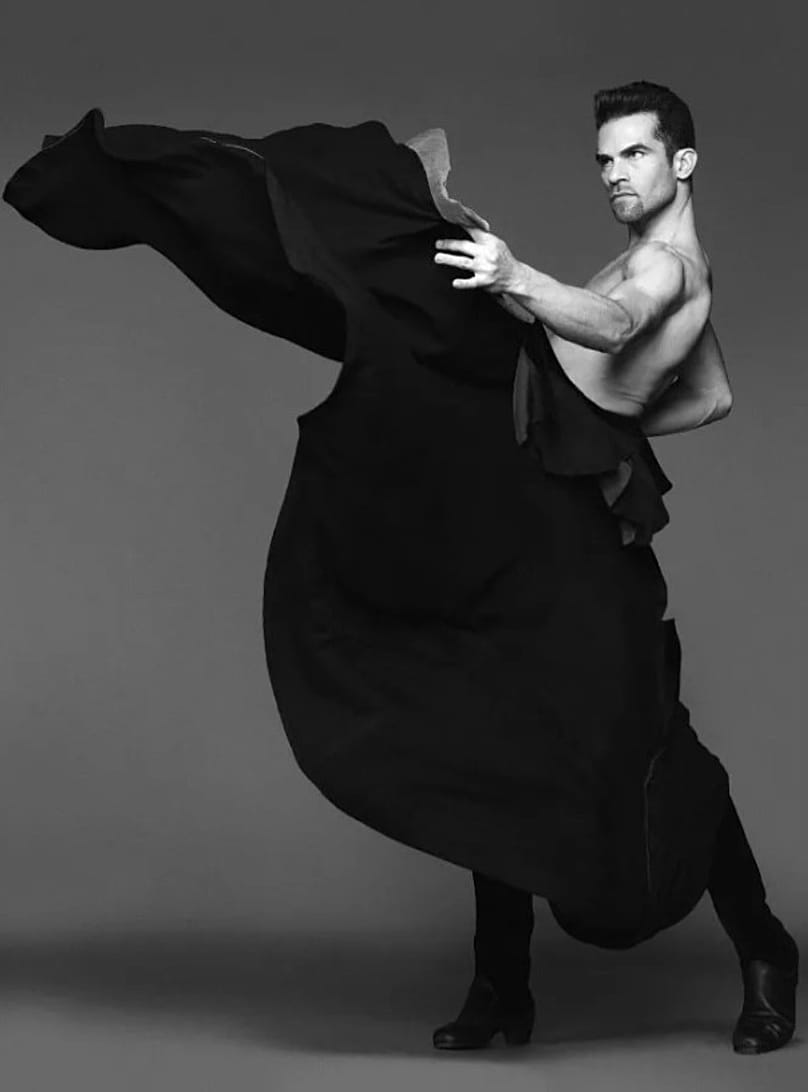
He believes that the pressure faced by athletes is similar to that of artists, emphasizing the need for discipline, repetition, and sacrifice. "Without effort, discipline, repetition... nothing is achieved, neither in sport nor in art," he says.
Technology and the Future of Art
While Najarro acknowledges the role of technology in modern art, he remains cautious about its impact. He believes that real emotion exists only in live performances, where the unpredictability of each show adds to its essence. However, he warns of the risk of technology trivializing the effort behind artistic creation, creating a false sense of immediacy that overlooks years of dedication.
Expanding Horizons: Disney, Opera, and Global Recognition
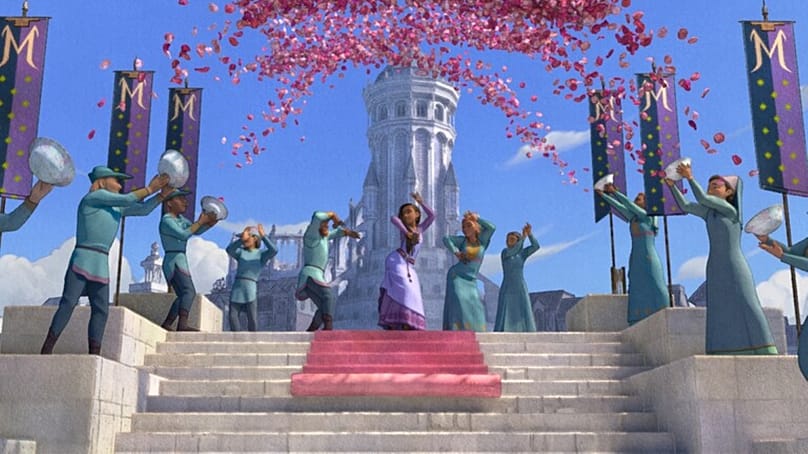
Another milestone in Najarro's career came with Disney, where he choreographed the main theme of Wish, the studio's centenary film inspired by the Iberian Peninsula. His work on this project involved extensive collaboration with creative teams in Los Angeles, ensuring that the essence of Spanish dance—hand movements, castanet sounds, and expressive gestures—was captured in the animation.
Najarro's international presence has grown significantly, with his company performing in countries such as Japan, Argentina, China, and Russia. Despite this global recognition, he remains a strong advocate for Spanish dance, calling for greater institutional support and visibility within Spain.
A Cultural Claim for Spanish Dance
Najarro sees the lack of national recognition for Spanish dance as a pressing issue. He believes that integrating dance into the national curriculum and increasing its media presence could help elevate its status. He also supports the idea of a national dance theatre, akin to the Zarzuela theatre, to give Spanish dance the cultural weight it deserves.
Beyond his professional achievements, Najarro emphasizes the human qualities that dance fosters—empathy, sensitivity, and a deeper awareness of one’s body and emotions. His recent projects, such as La Argentina en París and Les Ballets Espagnols de La Argentina, have brought historical ballets back to life, further cementing his legacy.
For Najarro, the true driving force behind his work remains the same as when he was a child dancing in the streets of Málaga. Each day, he wakes up with the same enthusiasm, driven by the belief that dance is not just an art form, but a vital expression of life itself.
Posting Komentar untuk "Antonio Najarro: Bringing Spanish Dance to the World"
Please Leave a wise comment, Thank you