
5 Smart Bulb Advantages Smart Switches Can't Match
Color and Ambiance
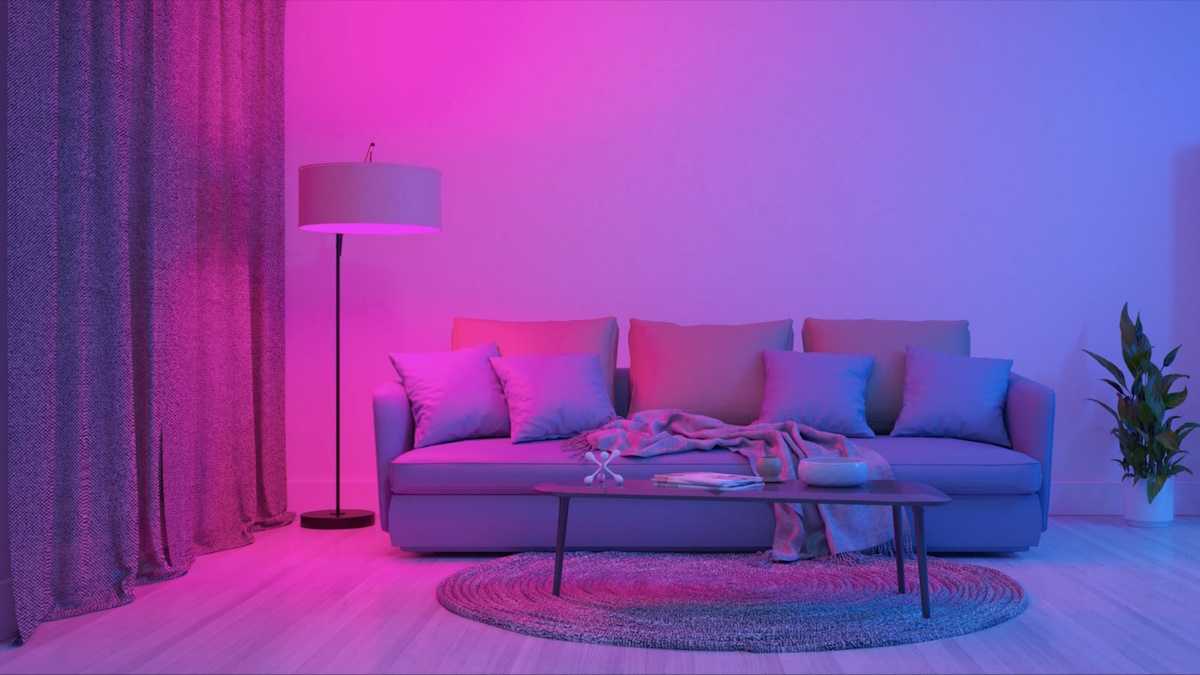
A smart switch can't make your lights purple. This is one of the biggest differences between what smart switches and smart bulbs can offer. A smart switch is exactly what it sounds like: a light switch with smart home control. It can turn your lights on and off, and some smart switches can dim supported bulbs, but it can't magically turn your light a different color.
Most smart bulbs offer at least some kind of ambiance control, such as allowing you to change the warmth of your bulbs from warmer, yellower tones to cooler, bluer temperatures. You can sync the color temperatures of multiple bulbs, instead of having a range of bulbs, each giving a slightly different temperature of light.
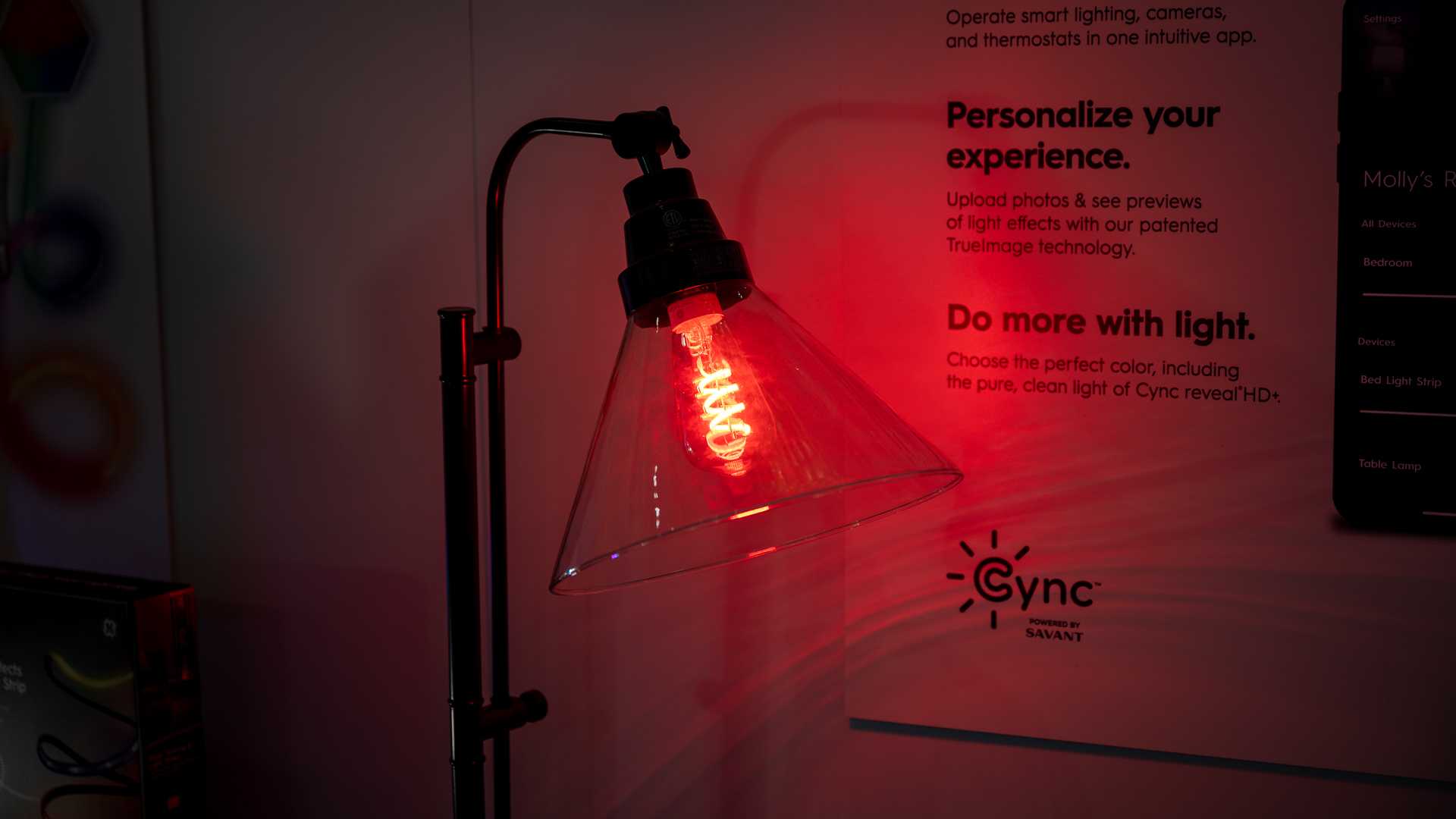
Some smart bulbs also offer a wide range of different colors, allowing you to change your smart bulbs to almost any color imaginable. You can use color smart bulbs in combination to create stylish scenes.
Individual Control
Control each light, not just the fixture. If you have a light fixture that can fit multiple bulbs, a smart switch may only be able to control the entire fixture. Either all the bulbs are on, or all of them are off. You may be able to change the brightness, but again, it will apply to all the bulbs or none of them.
If you put three smart bulbs into the same fixture, you can control each smart bulb individually. You can have one, two, or three bulbs on at any time, you can set them to different temperatures and brightness levels, and you can even have each bulb displaying a different color.
This makes fixtures with multiple bulbs far more versatile. Instead of having either no bulbs on or multiple bulbs all beaming out at once, you can choose a more subtle lighting style by controlling which bulbs are on and at what brightness levels. You can create lighting that's better suited to your needs.

Lighting Effects
Smart bulbs can mimic the sun. Because smart bulbs offer more control over color and temperature, you can use them for some truly impressive lighting effects. One of the most impressive is adaptive lighting.
Adaptive lighting automatically changes the brightness and color temperature of your smart bulbs throughout the course of the day, to mimic the natural light of the sun. At sunrise, your smart bulbs are dim with a warm color temperature. Throughout the morning, they gradually get brighter and cooler, until by midday they mimic the light from the midday sun. In the afternoon, they slowly become dimmer and warmer again toward sunset.
As well as making your home feel more high-end when your lights automatically change throughout the day, adaptive lighting may have some biological benefits. It's less disruptive to your circadian rhythm and could help to reduce melatonin suppression, which harsh lighting can cause.
Visual Notifications
Get alerted without being left in the dark. This is something I used one of my smart bulbs for, and it was one of the most effective things I've ever done with my smart home. Before he could tell time, my son always used to get out of bed incredibly early in the morning and come and ask us if it was time to get up yet. By the time we'd gotten him back to bed, we were usually wide awake.
I solved this by setting up an automation that turned the smart bulb in his bedroom blue when it was time to get up. He could immediately see when he was allowed to come in to see us, and he would happily stay in his room until his light turned blue. Even if he got up and turned on the light, it would still turn blue at the appropriate time.
Smart bulbs are ideal for these types of visual notifications. While you can use a smart switch to flash your lights, this isn't ideal. If it's dark outside, flashing your lights on and off will make your room go completely dark between flashes. With a smart bulb, you can change the color without your lights having to go out.
Simple Installation
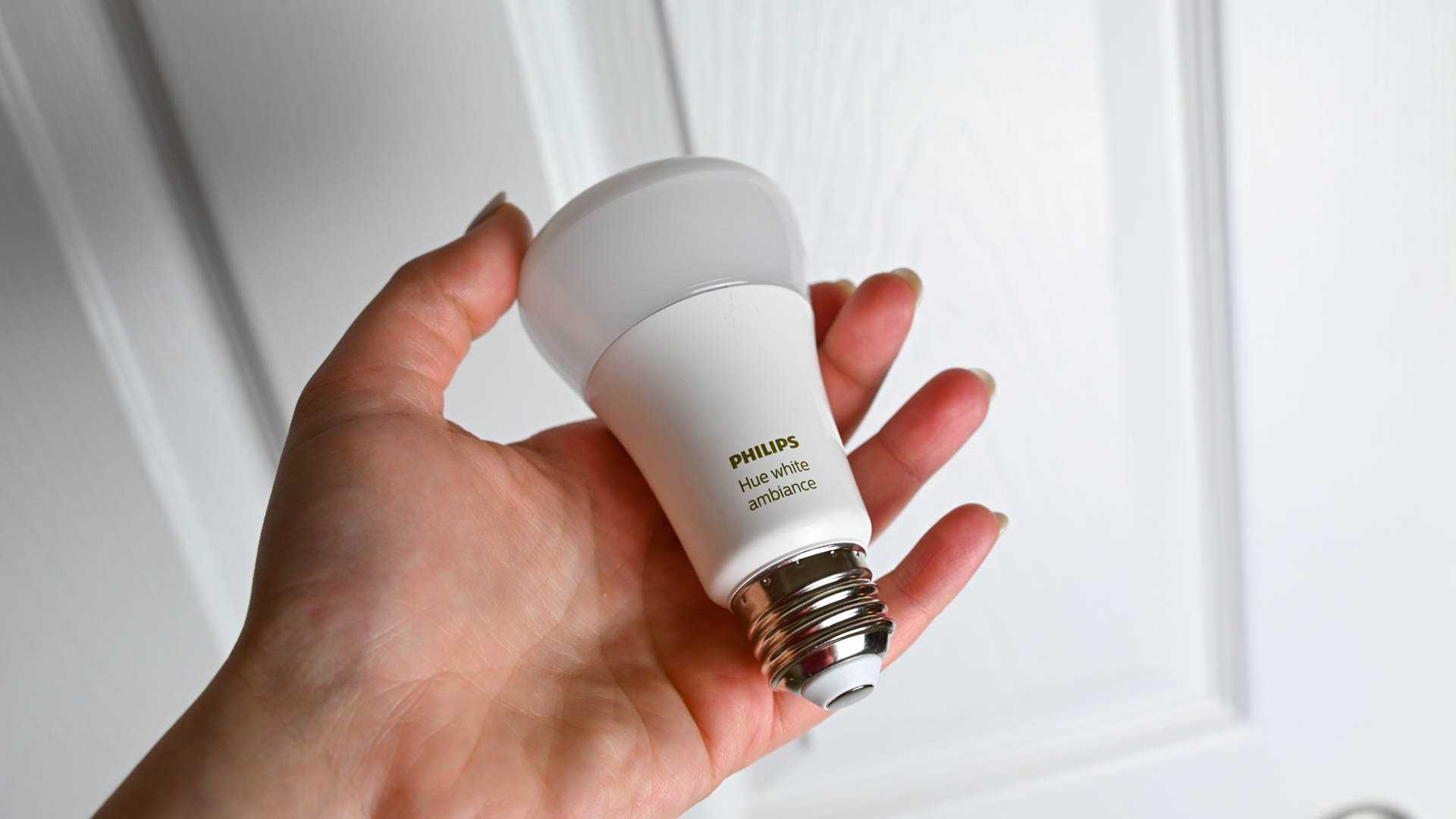
How many smart home users does it take to screw in a light bulb? This is one of the biggest reasons why smart bulbs still remain far more popular than smart switches, despite the benefits that smart switches can offer. The problem is that installing a smart switch is not usually an easy task, especially if you're putting one in the place of your current light switch. Some smart switches can be installed without wiring, but they're still fiddly to set up.
In comparison, installing a smart bulb is literally as simple as screwing in a light bulb. You can do it in a matter of seconds without the need for any tools. It's what makes smart bulbs one of the easiest routes into the world of smart home technology.
While smart bulbs have some benefits, there are plenty of things that smart switches offer that smart bulbs can't, such as solving the problem of smart bulbs losing power. Ultimately, the most powerful option may be using smart switches and smart bulbs in combination, using a decoupled mode that ensures your smart bulbs always have power even if the switch is turned off.
Posting Komentar untuk "5 Smart Bulb Advantages Smart Switches Can't Match"
Please Leave a wise comment, Thank you