
Renault's 2026 Product Revolution
Renault is stepping into 2026 with significant goals. Following a successful 2025 in Europe, the French car manufacturer plans to strengthen its standing and intensify efforts with a range of new vehicles across both the Renault and Dacia brands. The company's approach includes budget-friendly standard cars, vintage-style electric models, and an expanded focus on electric vehicles while keeping popular volume sellers.
The timing is crucial. Europe's automotive market continues to be very competitive, and Renault is aiming to take advantage of the momentum gained over the last two years while facing increasing pressure from Chinese manufacturers and established competitors.
Clio Is Expected To Have A Key Role
One of Renault's main expectations for 2026 is the Clio. The small hatchback ranked very high on Europe's sales charts last year, coming just behind its company sibling, the Dacia Sandero, which is one of the region's best-selling models.
As a new generation emerges, Renault anticipates the Clio will achieve even higher sales figures. Initial feedback indicates significant enhancements in design, technology, and fuel efficiency when compared to the previous model. Should the market respond positively, the Clio may compete for the title of Europe's top-selling passenger vehicle, a distinction Renault has long strived to hold.
Crucially, Renault is not depending on one specific model to drive expansion.
The Budget-Friendly Electric Twingo Makes a Comeback
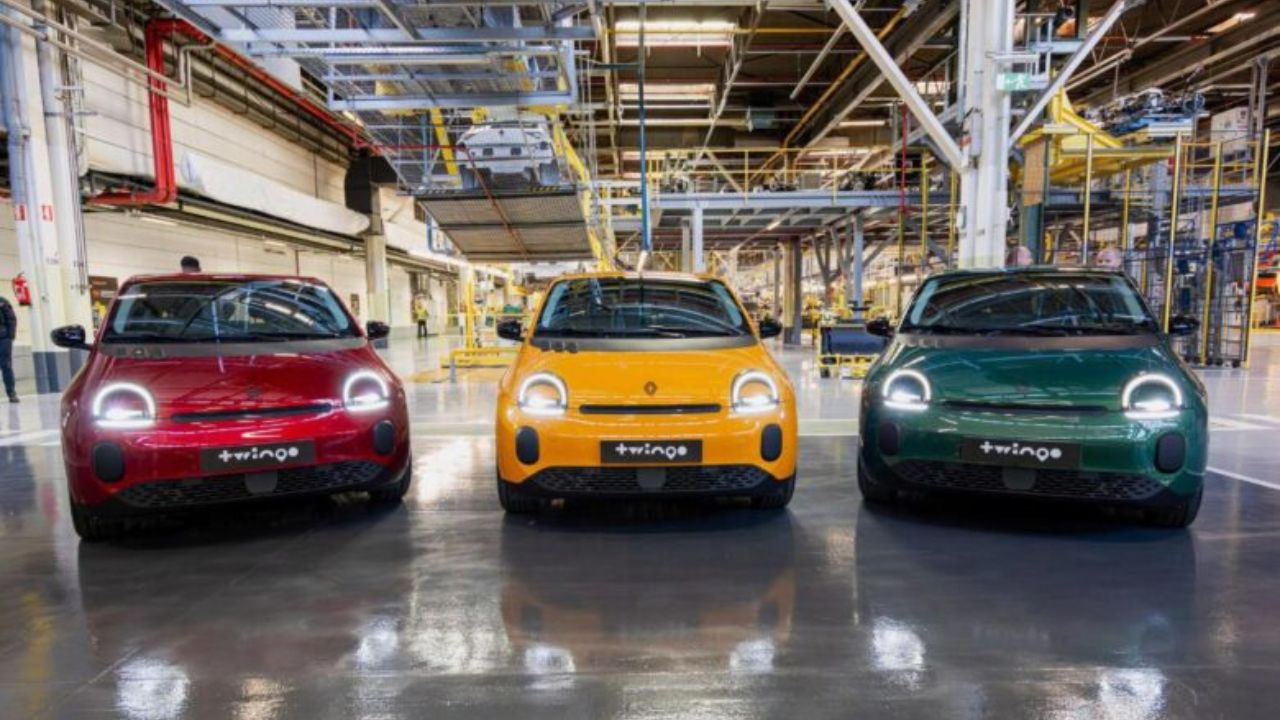
One of the highly anticipated releases is the all-electric Twingo. Renault has set a starting price below approximately $22,000, making it one of the most affordable electric vehicles for city use in Europe. When combined with government subsidies offered in various regions, this model may serve as a significant gateway to electric vehicle ownership.
Renault is also placing significant emphasis on retro design elements for its new electric vehicle range. This approach is already generating considerable interest, particularly during a period when many electric cars have faced criticism for appearing too similar. The success of the Renault 5 EV shows that a blend of nostalgic styling with contemporary technology appeals to consumers.
Reviving the Vintage Electric Household
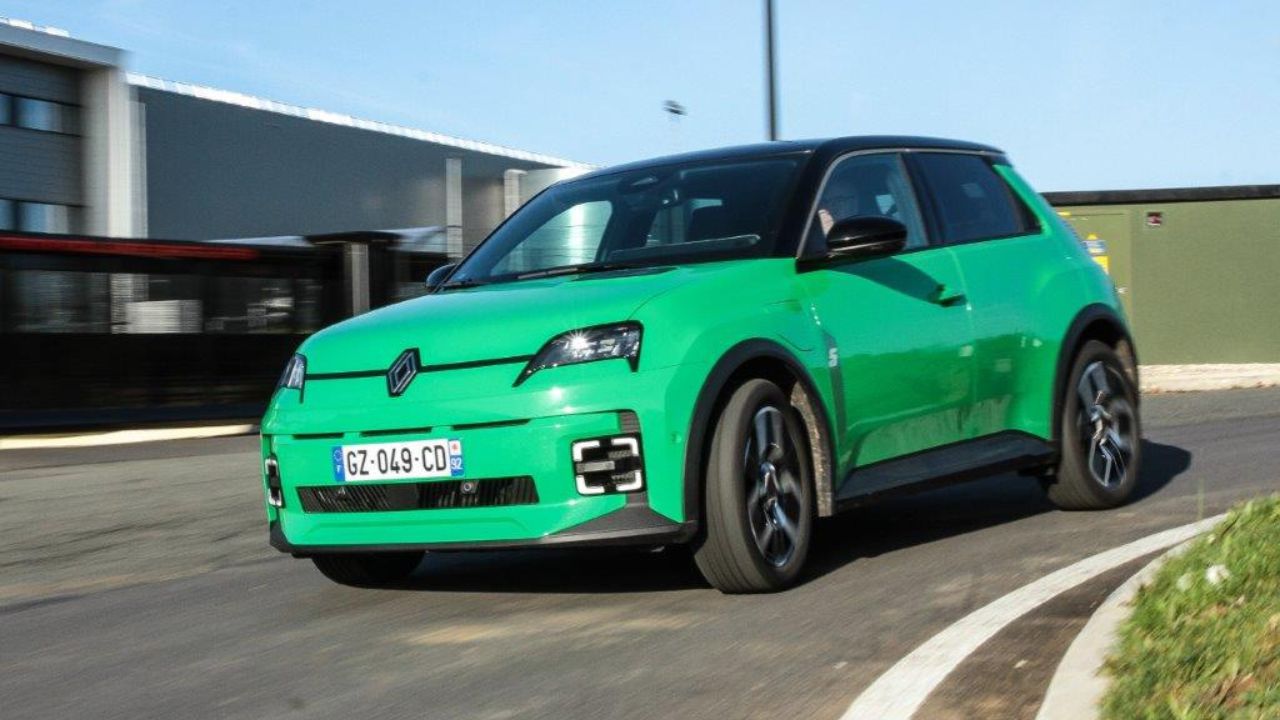
In addition to the Renault 5, the company is set to bring back the famous Renault 4 nameplate in an electric version across various key European markets. This model will enhance Renault’s expanding range of emotionally appealing electric vehicles and reinforce its position in the small and compact segments where cost-effectiveness is essential.
This method demonstrates a well-defined plan. Rather than concentrating only on expensive technology displays, Renault aims for affordable electric vehicles that can stand out in terms of personality and cost.
A New Opportunity for the Electric Megane
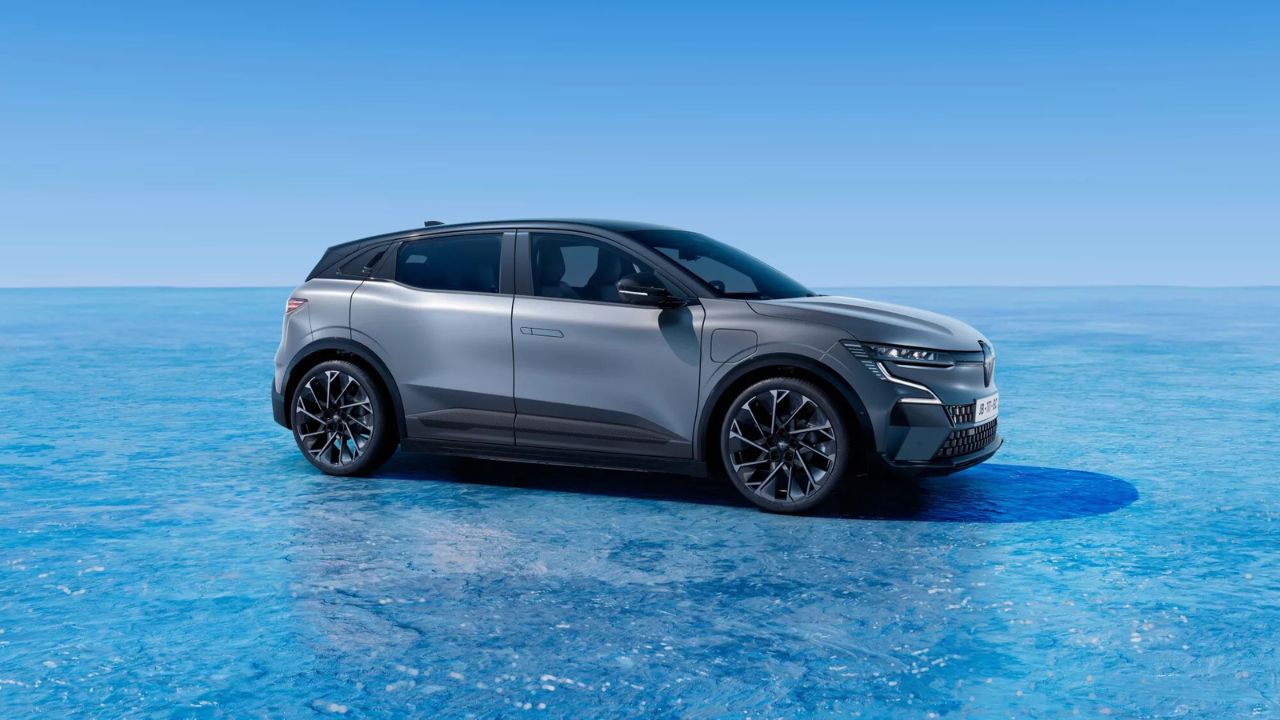
Renault is also attempting to bring back the electric Megane. The shift from a conventional hatchback to an SUV-style electric vehicle did not generate the anticipated customer interest. Consequently, the company is set to introduce a major mid-cycle improvement.
The updated model is anticipated to include design enhancements, better efficiency, and possibly a performance-oriented variant created in collaboration with Alpine. Enhanced range and a more distinct appearance are expected to help reposition the model within a competitive electric crossover market.
Dacia Maintains Its Successful Approach
The budget-friendly brand of Renault, Dacia, has maintained a significant success. The company achieved almost 602,000 registrations across Europe in the previous year and still gains advantages from customers looking for cost-effective transportation options. The Sandero remains among the best-selling cars in Europe, and the Dacia brand continues to show strong performance in individual retail sales.
In 2026, Dacia intends to broaden its range even more. A new affordable electric vehicle in the small urban car category is anticipated, utilizing shared technology with Renault's electric Twingo. Additional models targeting the compact market are also in the works, enabling Dacia to enter somewhat bigger and more lucrative segments while maintaining its commitment to affordability.
A Firm Stance, Yet Facing Obstacles
From a product standpoint, Renault Group seems well-prepared for another successful year. The mix of new volume models, cost-effective electric vehicles, and ongoing momentum from Dacia provides the group with multiple chances to expand.
Nevertheless, the market environment continues to be difficult. Renault has already alerted investors to potential narrower profit margins in 2026 because of downward pricing pressure and rising competition across Europe. This implies that achieving success will require not just introducing attractive products but also ensuring profitability in an increasingly competitive landscape.
Nevertheless, based on its present product development plan, Renault Group is gearing up for one of its most unified model launches in recent years, and 2026 might become a crucial point in the company's European approach.
This piece first was published onAutorepublika.comand has been reprinted with authorization byGuessing Headlights. Machine-assisted translation was performed, followed by manual editing and verification.
Read More- 12 Truck Models That Are Truly Worth the Investment
- SUVs That Can Last 15 Years or More (No Issues!)
Posting Komentar untuk "Renault's 2026 Product Revolution"
Please Leave a wise comment, Thank you