
Obesity Crisis Linked to Rising C-Section Births
The increasing rates of obesity among pregnant women have led to a record number of caesarean sections in Scotland.
Recent data indicates that almost half of all newborns are now born through cesarean section.
At the same time, a greater number of pregnant women in Scotland are officially obese than at any other time.
In light of concerns that obesity in mothers is threatening the well-being of both mothers and their children, a prominent medical organization is urging immediate actions to address the issue.
The Royal College of Physicians (RCP) stated: 'Obesity among women is a critical and increasing public health issue, requiring immediate steps to minimize avoidable risks for both women and their infants.'
In a recent publication, the RCP outlined the dangers linked to maternal obesity – such as the fact that pregnant women who are overweight are twice as likely to require a cesarean section.
While it can be a life-saving procedure, it involves risks—similar to any surgical intervention—for both mothers and their infants.
As per the most recent report from Public Health Scotland (PHS), 45 percent of all newborns were born via C-section during the period from July to September last year. In 2017, this figure was below a third – specifically 32 percent.
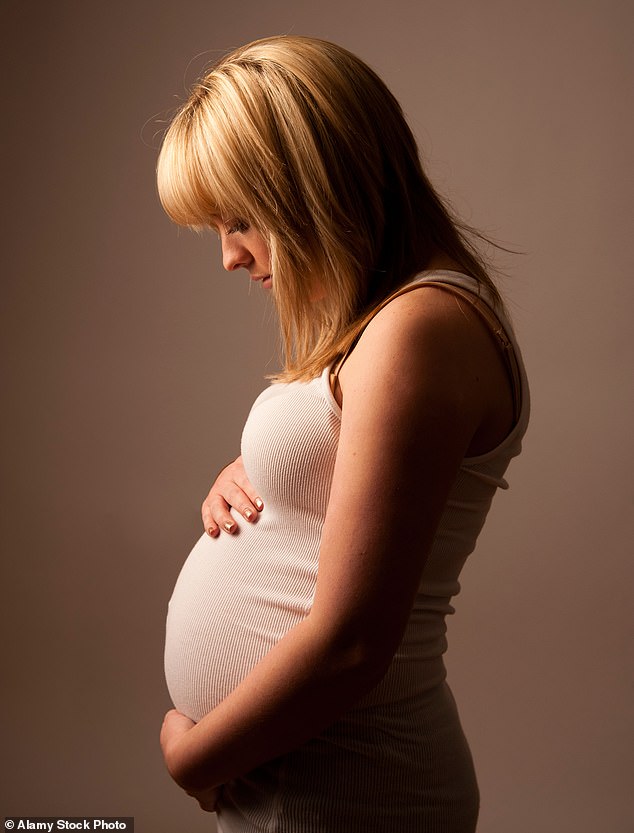
Data from the PHS show that approximately 42,463 women in Scotland had children during the year ending March 2025. Among them, a new high of 28.5 percent were obese, with an additional 29.2 percent categorized as overweight.
In addition to being more prone to needing a C-section, women with obesity face an increased likelihood of experiencing other issues during pregnancy and childbirth.
As per the RCP, they have three times the likelihood of developing gestational diabetes – a temporary condition characterized by elevated blood sugar levels that can cause the baby to grow excessively large and result in delivery complications.
They have a 2.8 times higher risk of developing pre-eclampsia, which is high blood pressure related to pregnancy. Additionally, the RCP noted that obese mothers are nearly twice as likely to experience postpartum hemorrhage, a severe loss of blood following childbirth.
The RCP study noted that obesity in expectant mothers is also associated with health issues for their offspring, with infants of obese women being more likely to develop obesity, as well as experience respiratory infections, asthma, and heart-related conditions.
In addition to restricting the sale of unhealthy foods, the RCP is urging the government to enhance education efforts to gain a clearer understanding of how obesity affects pregnancy and childbirth.
Dr. Kath McCullough, an RCP specialist advisor on obesity, stated, "Maternal obesity is one of the most evident indicators that we must address the underlying causes of obesity and weight gain."
We require courageous, coordinated efforts throughout the system – ranging from food policy and education to healthcare services, professional training, and research – to more effectively prevent obesity from the outset and provide improved support for women dealing with obesity during pregnancy and after childbirth.
We require courageous, unified action throughout the system – ranging from food policy and education to healthcare services, professional development, and research – to more effectively prevent obesity from occurring in the first place and to provide better assistance for women dealing with obesity during pregnancy and after childbirth.
The Scottish Government announced it is taking action against foods that are high in fat, salt, and sugar to help reduce obesity rates.
A representative stated, "We are also effectively integrating discussions about preparing for pregnancy into standard medical care to enhance preconception health and support."
Read more
Posting Komentar untuk "Obesity Crisis Linked to Rising C-Section Births"
Please Leave a wise comment, Thank you