
Is .22 LR Good for Self-Defense? Here's the Truth
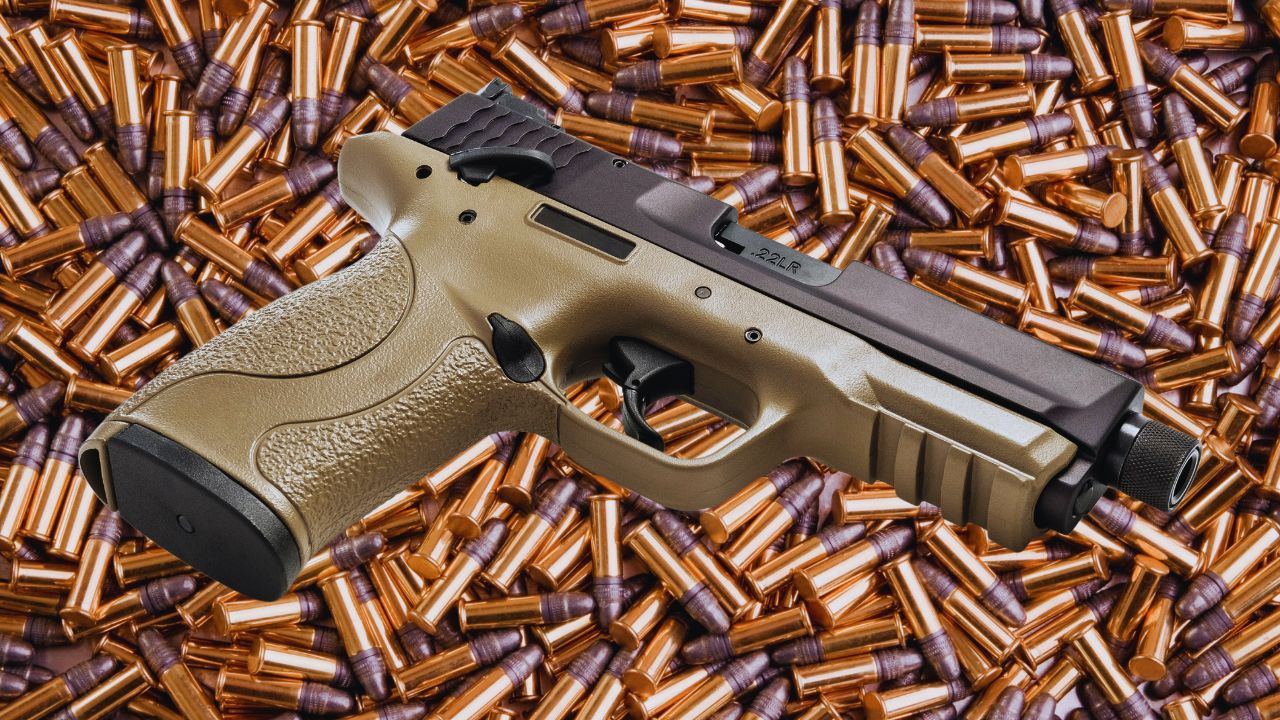
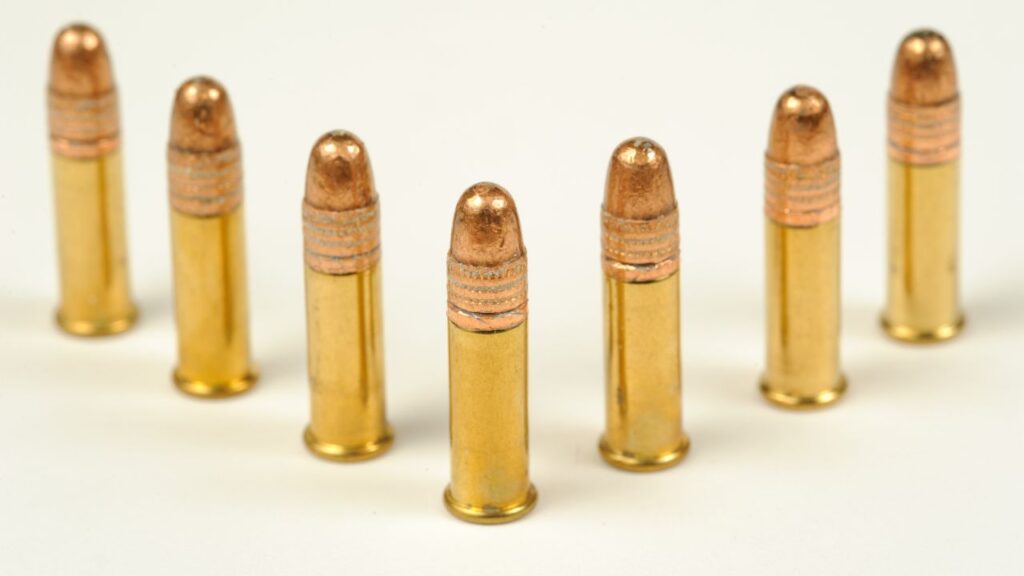
The .22 LR is a type of ammunition that most shooters have used at some time. It's inexpensive, commonly found, and very simple to handle. However, the .22 LR is often completely ignored when discussing protection purposes.
Reviewers argue that it lacks stopping power, is not dependable, and is better for target practice than for self-defense. But is that truly the complete picture? I chose to investigate the actual effectiveness of .22 LR for defensive purposes and whether it's as ineffective as commonly believed.
The Advantages of .22 LR: Why Individuals Prefer It
There's a clear explanation for why .22 LR has been in use for more than 100 years and continues to be one of the most widely used calibers. Initially, the price – .22 LR is much less expensive compared to almost all other calibers, which makes it ideal for frequent training. The recoil is also nearly non-existent, making it an excellent choice for individuals who have difficulty with heavier calibers, such as those with arthritis, limited hand strength, or general sensitivity to recoil.
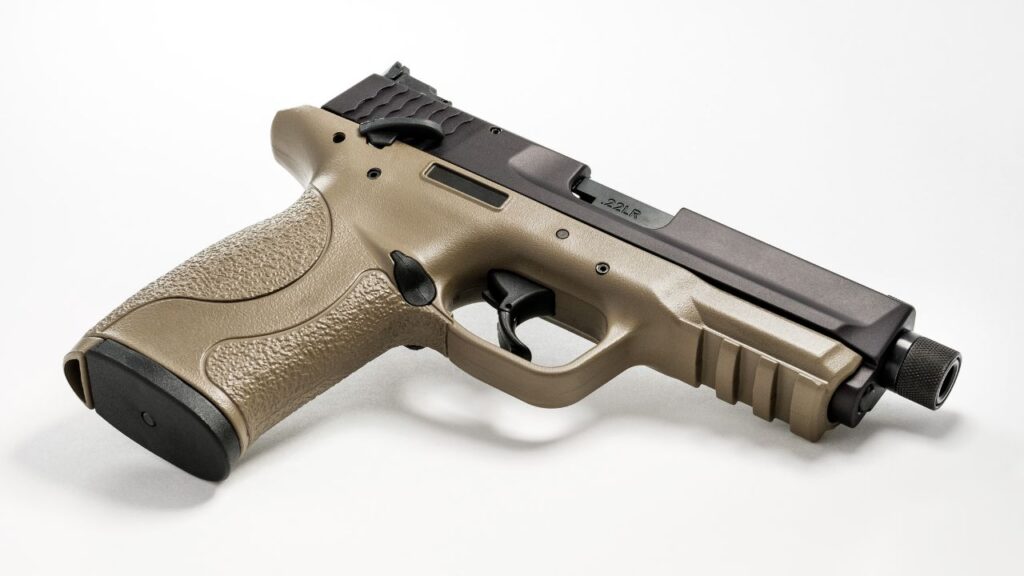
Furthermore, weapons designed for .22 LR ammunition are typically small, light, and simple to manage. This characteristic allows them to be used by a broader group of individuals, particularly those who might find it challenging to handle a more powerful firearm. A weapon that a person can use with assurance and precision is always preferable to one they fear to employ.
The Primary Issue: Effectiveness and Ballistic Performance
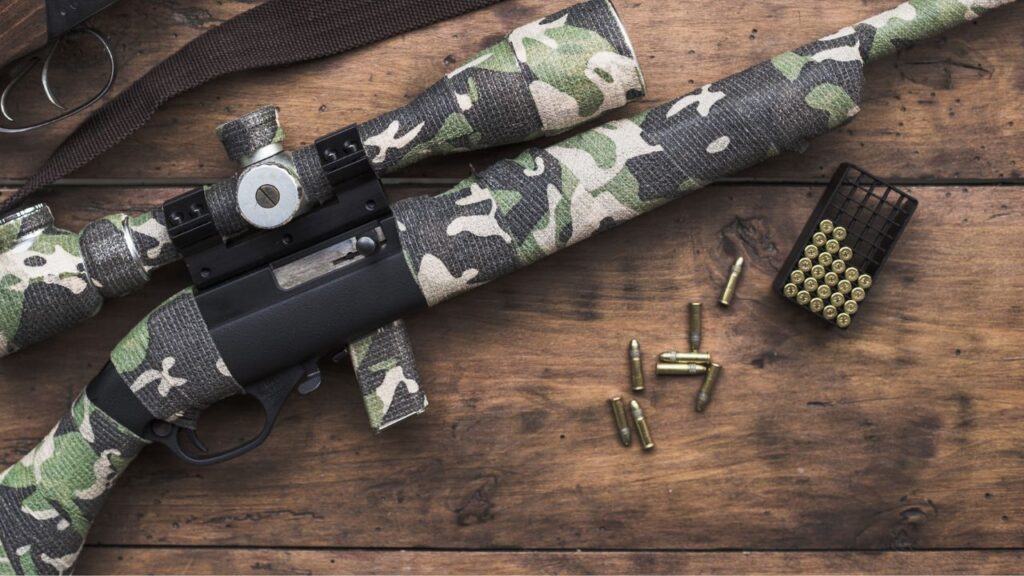
In terms of stopping power, the .22 LR is at a disadvantage. It doesn't have the energy or expansion of bigger calibers, which could mean it might not quickly incapacitate a determined opponent. Some people claim that it requires several shots with a .22 to produce the same stopping effect as a single shot from a 9mm or .45 ACP.
Nevertheless, the location of the shot serves as the ultimate leveler in any self-defense situation. A properly aimed .22 LR round to a critical area can prove significantly more impactful than a misfired larger-caliber bullet. The main point to understand is that although the .22 LR has less power, it remains capable of causing fatal injuries when applied correctly.
Reliability Concerns: Is .22 LR Likely to Experience Problems?
One of the main criticisms of .22 LR is its perceived unreliability. There are two main issues: misfires and feeding problems. As a rimfire cartridge, the primer compound is located around the edge rather than in a central position like in centerfire ammunition. This design can lead to a higher chance of ignition failures.
Another concern is that rimmed cartridges may not consistently feed properly in magazine-fed semi-automatic firearms. Although there are some very dependable .22 caliber semi-automatics, they tend to experience more feeding problems compared to centerfire pistols.
However, these problems can mostly be reduced. Firstly, using top-tier ammunition makes a significant impact. Ammo that is sold in bulk is more prone to variations, while high-quality .22 rounds that are packaged in trays are much more dependable. Furthermore, choosing a revolver completely avoids feeding issues and simplifies handling misfires by just pulling the trigger again.
Ammo Evaluation: How Does .22 Perform in Severe Environments?
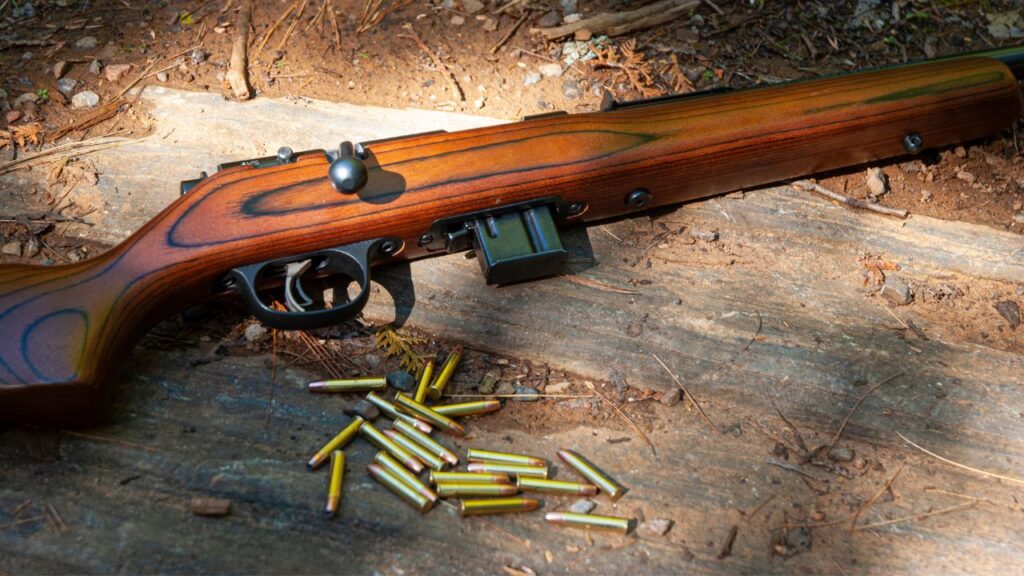
To understand the reliability of .22 LR better, I tested 1,500 rounds of premium .22 ammunition under various conditions. I divided the rounds into three groups: one served as a control, another was exposed to a saltwater solution to mimic sweat and humidity, and the third was put in a brass tumbler to see if vibration might lead to malfunctions.
The outcomes were unexpected. In every group, there were no instances of misfiring or failure to load. Even the rounds that were exposed to saltwater worked perfectly, indicating that contemporary .22 LR ammunition is more durable than many believe. Still, it's wise to perform routine maintenance and replace carry ammunition every few months.
The Benefit of a Revolver: Avoiding Reliability Issues
If you're thinking about using .22 LR for self-defense, a revolver can be an excellent option. Unlike semi-automatic pistols, revolvers don't require magazines or slides to operate. This removes the possibility of feeding problems. In the event of a misfire, you can just pull the trigger again and proceed to the next chamber.
Compact and lightweight small-frame .22 revolvers are easy to carry. Although they might have a smaller capacity compared to certain .22 semi-automatics, their straightforward design and dependability offer a distinct benefit for personal protection.
Maintaining a .22: The Importance of Proper Care
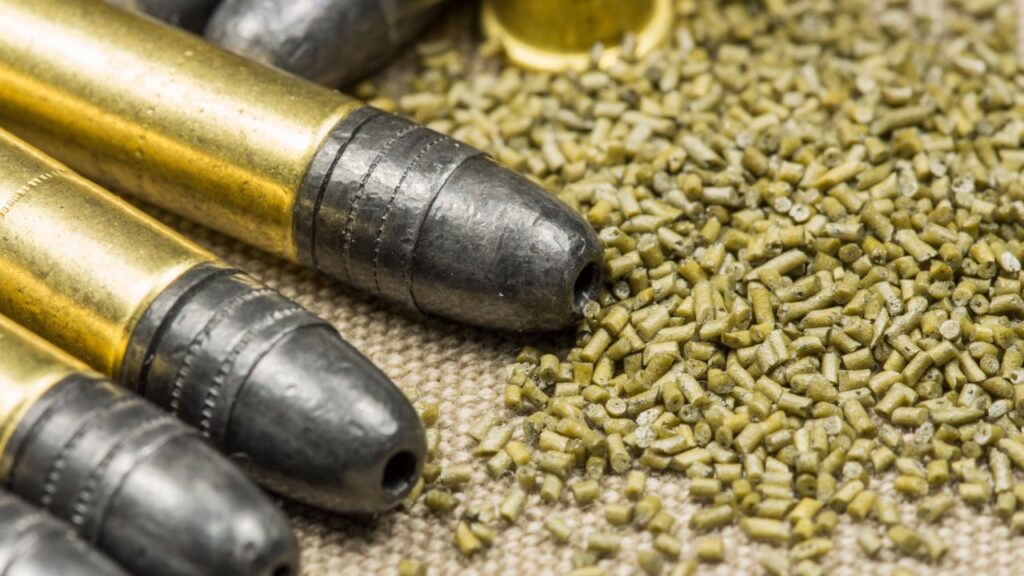
In contrast to centerfire ammunition, .22 LR produces more residue. With leftover powder, lead particles, and lubricant accumulation, .22 firearms can become clogged rapidly. That's why maintaining a clean .22 firearm is essential. A properly cared-for .22 weapon will function much more reliably than one that has been ignored.
In contrast to certain centerfire guns that can fire thousands of rounds without needing a clean, .22 caliber firearms need more regular upkeep. If you're using a .22 for personal protection, it's important to clean and oil it frequently to reduce the risk of a failure when you need it the most.
Considerations for Defensive Shooting: The Truth About Using a .22 in a Conflict
In a real-life self-defense scenario, precision and quickness are more crucial than just the size of the bullet. A .22 LR handgun is very simple to handle, making it possible to take additional shots quickly with very little kick. Although one .22 round may not immediately incapacitate an aggressor, several accurately aimed shots can compensate for the caliber's limited stopping power.
Some professionals in self-defense suggest that the simplicity of firing a .22 makes it a practical choice, especially for those who have difficulty managing recoil. If a person can hit their target effectively with a .22 and finds it challenging to handle a more powerful round, the .22 could be the more suitable option for them.
The Mental Aspect: Deterrence and Outlook
It's important to mention that in numerous situations, the mere existence of a firearm can prevent an attacker from acting. Although a .22 might not carry the same level of intimidation as a bigger caliber handgun, an individual with a weapon is still a significant barrier for someone intending to attack. Most criminals seek out vulnerable victims, and even a .22 can be sufficient to cause them to reconsider their actions.
Nevertheless, if the conflict intensifies and the aggressor is resolute, you should be ready to deliver precise shots to neutralize the danger. Counting solely on prevention is never a reliable approach, no matter the ammunition size.
The Bottom Line: Is .22 LR Suitable for Personal Protection?
The .22 LR is not an ideal caliber for self-defense – it doesn't have the stopping power of bigger bullets, and semi-automatic versions can occasionally be unreliable. That said, it can still be a suitable choice in certain situations. If you decide to carry a .22 for protection, here are some things to consider:
- Use premium ammunition – steer clear of bulk packages and choose dependable, tray-stocked rounds.
- Keep your gun clean – .22s become dirty fast, and dependability relies on upkeep.
- Think of a revolver – this removes feeding problems and simplifies handling misfires.
- Emphasize where the shot lands – a properly aimed .22 bullet can still be deadly.
- Train often – The low cost of .22 ammunition makes it simple to practice, so take advantage of that.
Although the .22 LR might not ever take the place of centerfire cartridges in terms of strength, it is by no means ineffective. For some people—particularly those who have difficulty with recoil or require a small, low-recoil weapon—it can serve as a useful means of self-protection when utilized correctly.
Could It Be Your Self-Defense Choice?
What's your opinion? Would you be confident using a .22 for protection, or do you lean towards a more powerful round? Do you believe precise aiming can compensate for the reduced stopping power of a smaller caliber? If you had to decide between a high-caliber firearm that's hard to handle and a .22 that you're very skilled with, which would you go for? To what extent does self-defense depend on the caliber of the weapon, and how much is it about mental preparedness and practice? Have you ever faced reliability problems with .22 LR ammunition, and if so, how did you resolve them?
Posting Komentar untuk "Is .22 LR Good for Self-Defense? Here's the Truth"
Please Leave a wise comment, Thank you