
15 Foods That Will Shape Your Plate in the Next Decade
With the ongoing advancement of technology, our food is also undergoing fascinating changes. Researchers and visionaries are creating innovative food options that strive to be more nutritious, environmentally friendly, and able to support an increasing world population.
These advanced food options may soon be a regular part of our daily meals, reshaping our perspectives on health and the planet. The future of cuisine seems creative and tasty, whether it includes 3D-printed meals or meat cultivated in laboratories.
Lab-Grown Meat
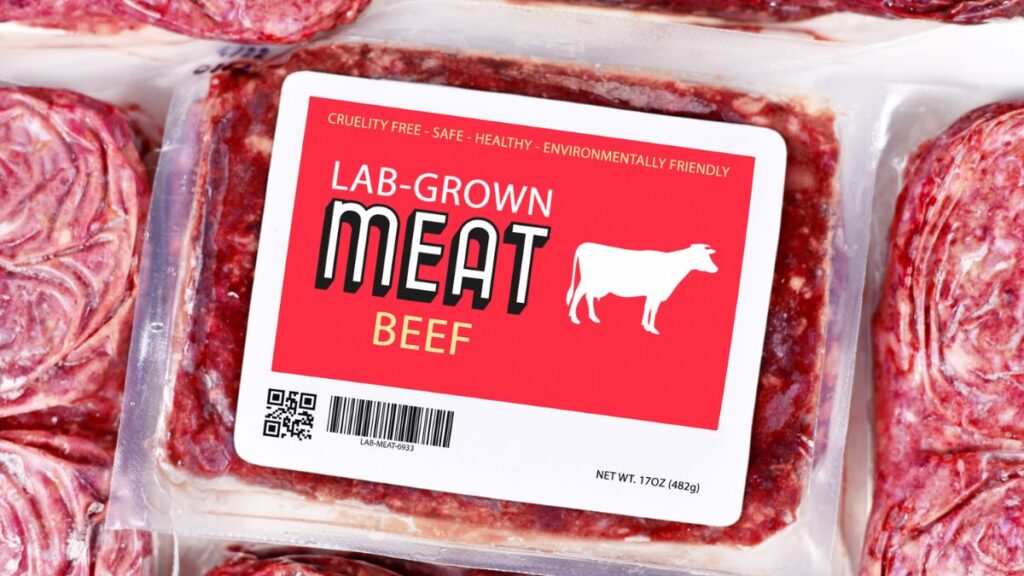
Cultivated meat, sometimes referred to as lab-grown meat, is produced by cultivating animal cells within a laboratory setting. It resembles traditional meat in appearance, cooking properties, and flavor, yet it eliminates the necessity of raising and killing animals.
This innovation holds the promise of decreasing the ecological footprint of conventional agriculture by reducing the need for land and water. It may also decrease animal suffering and offer a more nutritious option, as it can be created without the use of antibiotics or hormones.
Even though it remains costly to create, lab-grown meat is anticipated to become cheaper in the near future. Within ten years, it might be a typical choice found in supermarkets and dining establishments.
Insect Protein

Some people may find the idea of eating insects unappealing, yet they provide a great source of protein and need significantly fewer resources for farming compared to conventional animals. Crickets, grasshoppers, and mealworms are already being incorporated into protein powders, energy bars, and various snacks.
Insects contain a significant amount of protein, vitamins, and minerals, which makes them a healthy and eco-friendly option for consumption. With the challenge of meeting the food demands of an increasing population, products made from insects may gain widespread acceptance.
Over the next ten years, insect-based protein could become a part of more people's meals through hidden forms such as flour or meatless burger patties.
Plant-Based Seafood

As overfishing grows increasingly worrisome, plant-based seafood is gaining attention as a potential remedy. Businesses are developing fish substitutes using plant-based proteins, algae, and other organic components that replicate the flavor and consistency of genuine seafood.
These items are created to deliver identical nutritional advantages as fish, without damaging ocean ecosystems or adding to water pollution. Vegetarian seafood is currently being evaluated in the marketplace, and in the near future, it may be as widespread as plant-based meat.
You might soon be consuming seafood that is entirely plant-based, including sushi, shrimp, or fish fillets.
3D-Printed Food
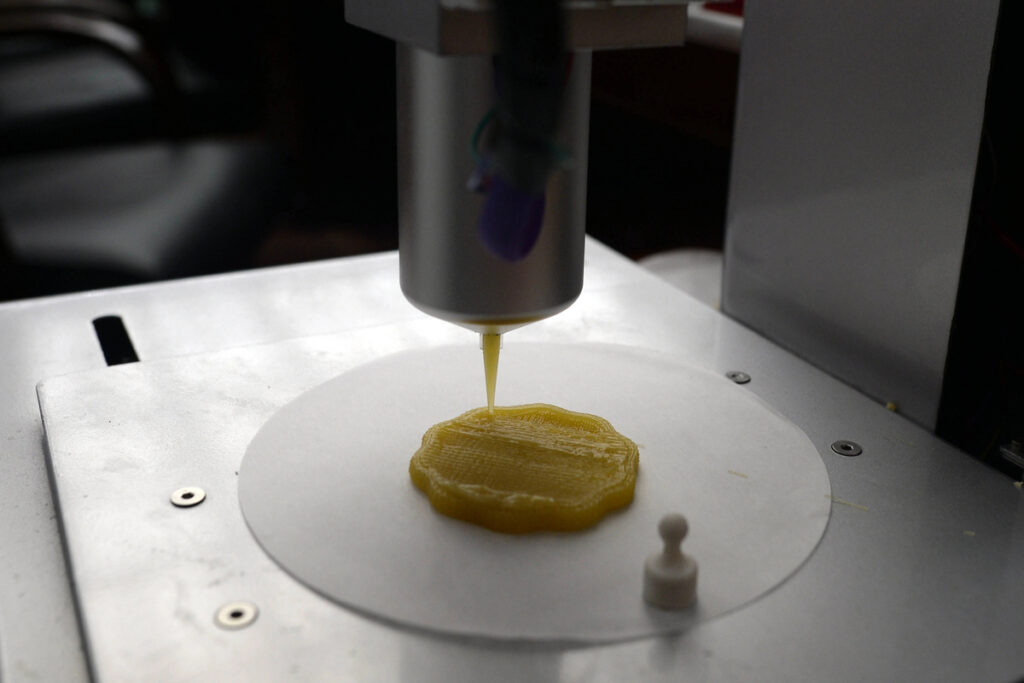
3D printing has expanded beyond the technology sector and entered the kitchen, allowing for the creation of personalized dishes one layer at a time. With food-grade materials, 3D printers can produce complex patterns and unusual food shapes that are difficult to achieve manually.
This innovation also enables customized nutrition, allowing meals to be adjusted according to a person's specific dietary requirements or tastes. Restaurants and food businesses are starting to explore 3D-printed food, which may soon become a common feature in restaurants. Picture a future where your meal is produced as needed right in your kitchen.
Edible Packaging
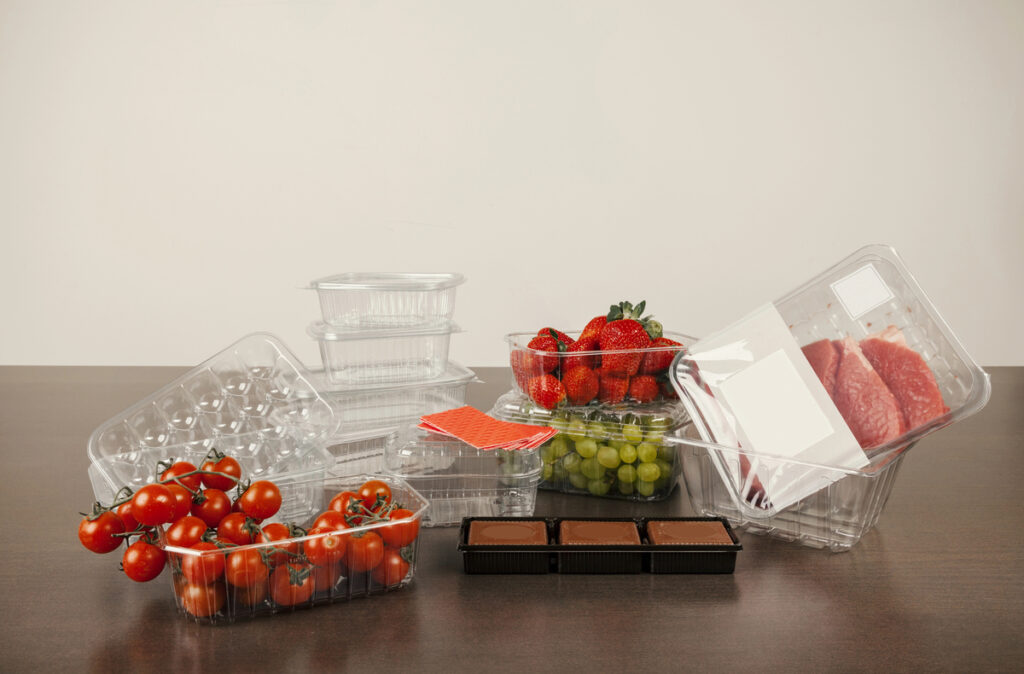
Food packaging is being created as an eco-friendly option to minimize plastic pollution. These substances are derived from organic components such as seaweed, rice, or potato starch and can be consumed together with the food inside.
Edible packaging has the potential to substitute for single-use plastics, contributing to lower pollution levels and decreasing landfill waste. Businesses are currently testing consumable coffee cups and snack wrappers that can be eaten.
Over the next ten years, food packaging that can be eaten might become common, letting you savor your meal along with its container.
Algae-Based Foods

Algae, including spirulina and chlorella, are nutrient-rich foods that reproduce rapidly and need minimal water or space. They are packed with protein, vitamins, and antioxidants, positioning them as a promising superfood for the future.
Algae is currently found in health supplements and smoothies, but it may become more widely used in daily meals in the future. Researchers are investigating methods to add algae to snacks, beverages, and even primary courses.
Due to its environmental and health advantages, food derived from algae may emerge as a common part of our diet in the coming ten years.
Cell-Based Dairy

Similar to lab-grown meat, cell-derived dairy items are made by growing milk cells in a laboratory. These products, including milk, cheese, and yogurt, are developed without the use of cows, potentially lowering the environmental effects of traditional dairy production.
Cell-based dairy aims to replicate the flavor of conventional dairy products while offering a more efficient and eco-friendly production process. Several companies have already begun creating lab-produced ice cream and cream cheese, with additional dairy alternatives expected to become available soon. In the future, you might consume milk that is entirely produced in a laboratory.
Personalized Nutrition
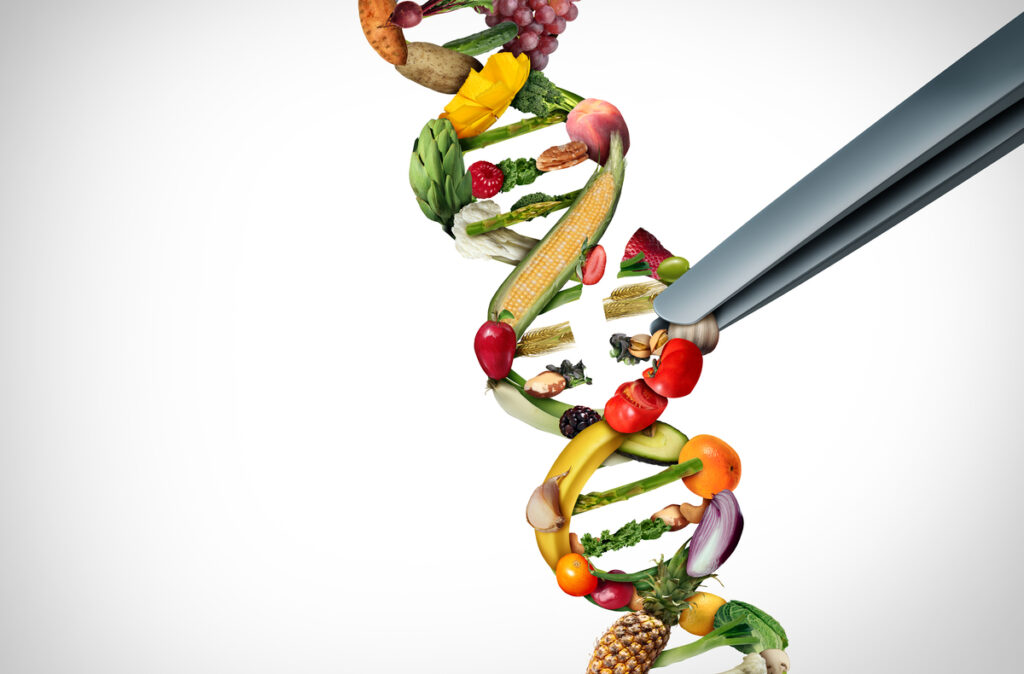
The upcoming era of food may involve highly individualized meals, crafted specifically to meet your body's requirements. By utilizing DNA analysis and information from wearable technology, businesses are creating customized dietary plans that align with your genetic profile, physical activity, and wellness objectives.
Personalized nutrition has the potential to prevent illnesses, boost energy, and enhance general well-being by delivering the specific nutrients your body requires. This method is currently under investigation, and within the next ten years, we might witness an increase in meal delivery services and food items tailored to individual needs. Your diet could soon be as distinctive as your fingerprint.
Mushroom-Based Meat
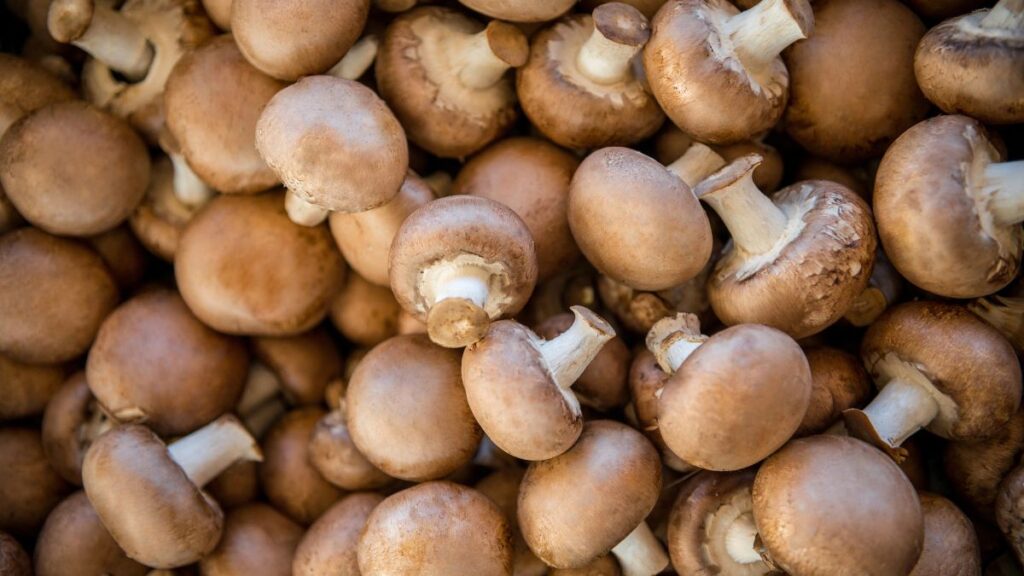
Foods derived from mushrooms, typically using mycelium, are becoming popular as an eco-friendly dietary choice. These items offer a texture similar to meat and are high in protein, fiber, and various nutrients, providing an excellent substitute for traditional animal-based meats.
Mushrooms can be cultivated rapidly and need less resources compared to traditional livestock, offering a sustainable choice. Multiple companies are currently creating mushroom-based alternatives to burgers and steaks, with the demand for such products anticipated to increase. Within the next ten years, you might start replacing beef with mushrooms in many of your preferred meals.
Lab-Grown Coffee
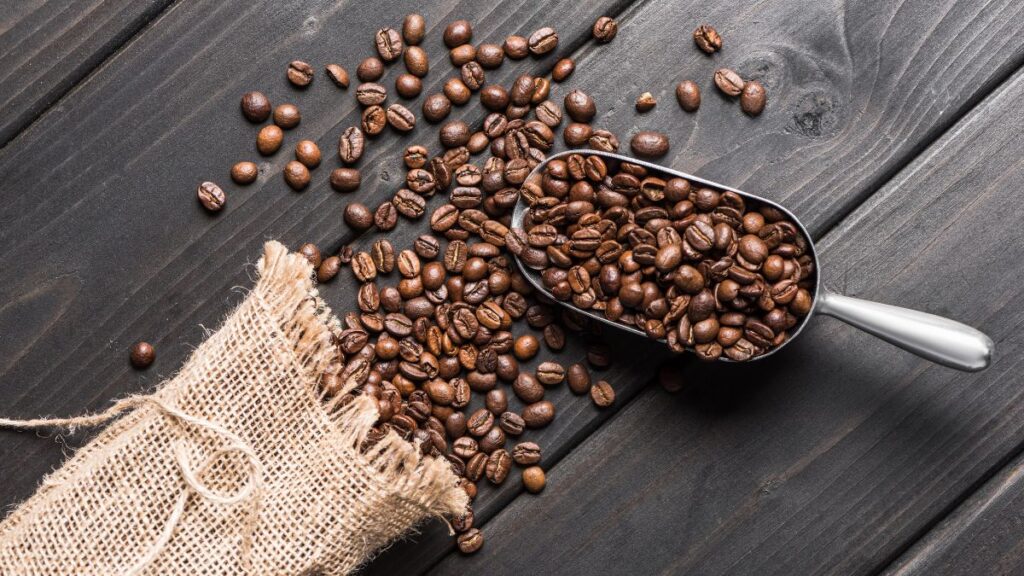
Coffee enthusiasts might soon be able to savor their preferred beverage without the ecological impact associated with conventional coffee cultivation. Artificial coffee is created by growing coffee plant cells in a laboratory, resulting in the same taste and caffeine levels as coffee that grows naturally.
This approach may aid in reducing deforestation and the harmful environmental impacts associated with coffee cultivation. Artificially produced coffee is still being developed, yet it shows potential as an eco-friendly option for the coffee sector. In the years ahead, your daily cup of coffee might be made from laboratory-grown beans.
Synthetic Wine
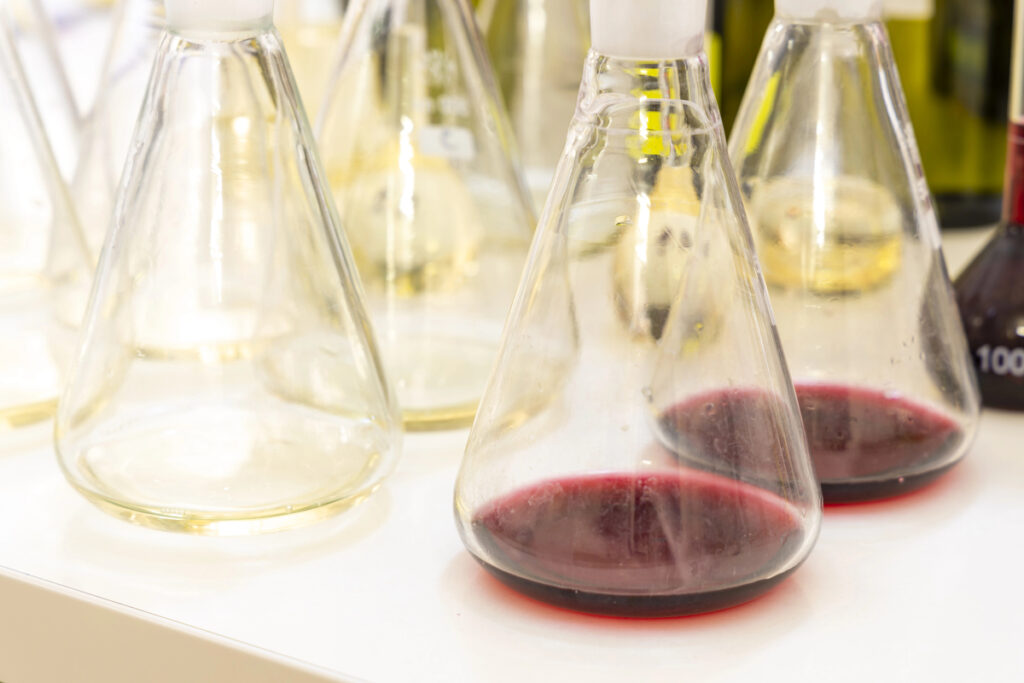
Similar to lab-grown meat and dairy products, synthetic wine is produced without conventional agriculture. Researchers are employing fermentation methods to make wine using yeast and additional components, replicating the taste of grapes.
Artificial wine has the potential to lessen the ecological footprint of vineyards and ensure more uniform taste throughout the year. This innovation enables vintners to explore unique flavors and styles.
Although it may seem like something from a science fiction story, synthetic wine might soon be found at your neighborhood wine store or dining establishment, providing a novel variation on your preferred beverage.
Air-Based Protein

A recently developed protein source involves scientists utilizing air, water, and sustainable energy to produce a nutrient-dense flour. This protein can be incorporated into various food products, such as bread and snacks, while leaving a small ecological impact.
A novel approach to protein production that eliminates the need for agriculture or extensive land use is emerging. Certain companies are currently developing protein products derived from air, and within the next ten years, these could be widely used in plant-based food items. This groundbreaking protein source has the potential to support sustainable global food supply.
Seaweed Snacks
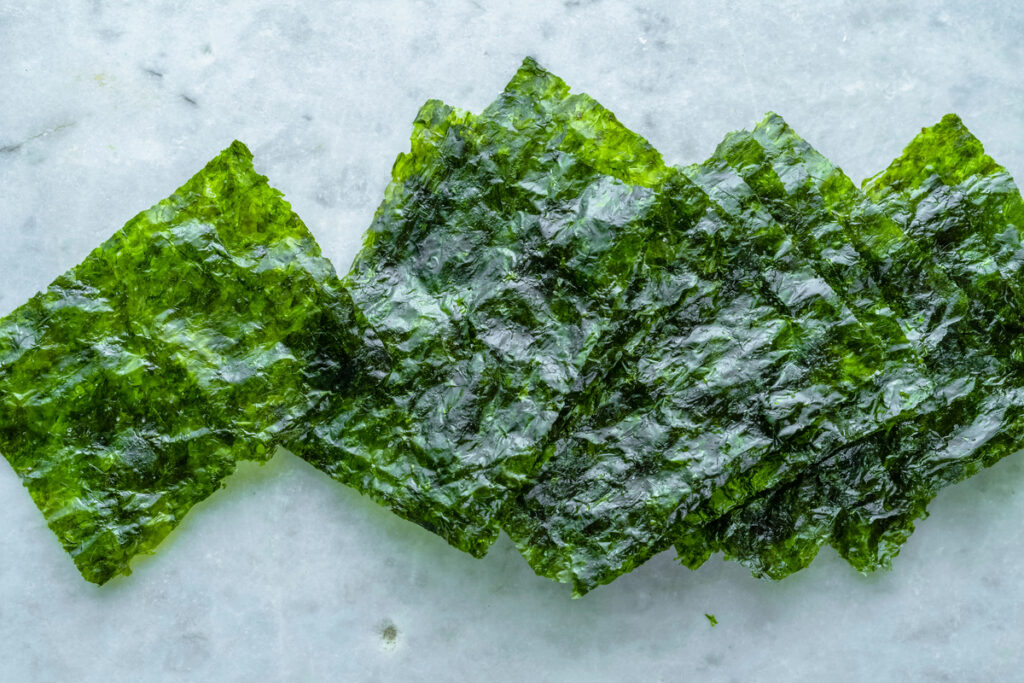
Seaweed contains a variety of vitamins, minerals, and antioxidants, and it is already utilized in sushi and as a flavoring agent. Nevertheless, because of its eco-friendly nature and health advantages, seaweed has the potential to gain greater popularity as a snack in the years ahead.
It develops quickly and does not need fresh water or fertilizers, offering a sustainable choice. Seaweed-based snacks, chips, and noodles are being created to satisfy the increasing interest in healthy, plant-derived foods.
Within the next ten years, you may start reaching for a bag of seaweed snacks rather than traditional potato chips.
Vertical Farming Produce
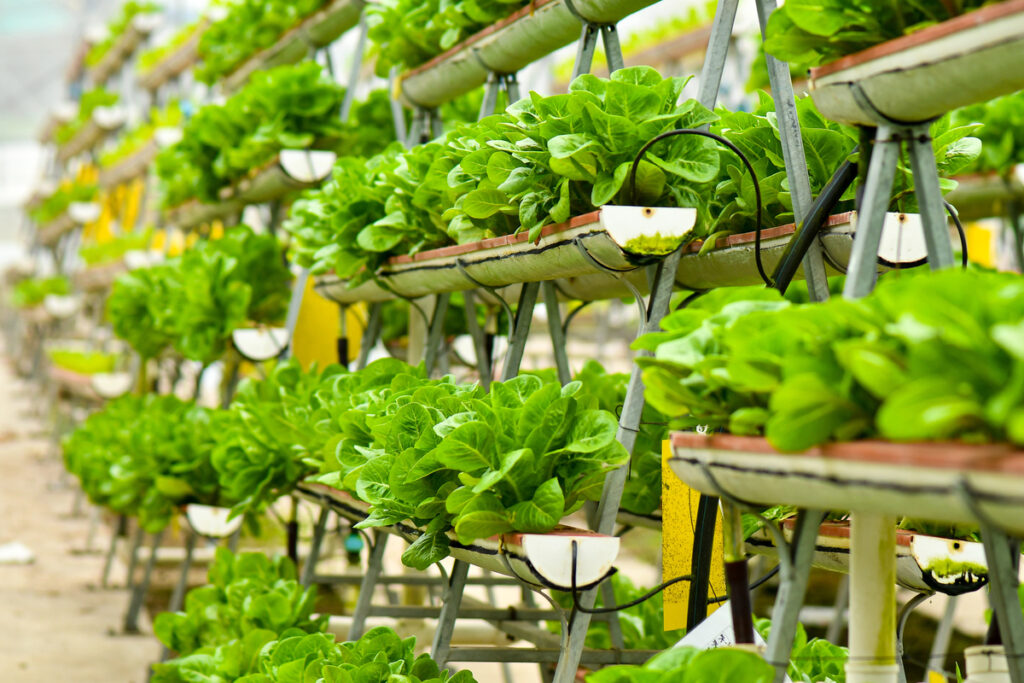
Vertical farming enables the cultivation of plants in multiple layers, typically indoors, utilizing LED lights and requiring very little water. This approach decreases the demand for land and water resources while boosting crop production, offering an effective method for growing fresh food in city environments.
Vertical farms are currently being established in cities across the globe, and in the future, they may supply fresh produce all year long. Within the next ten years, you could be purchasing lettuce, tomatoes, and herbs that were cultivated in a high-tech vertical farm located nearby.
Cultured Chocolate
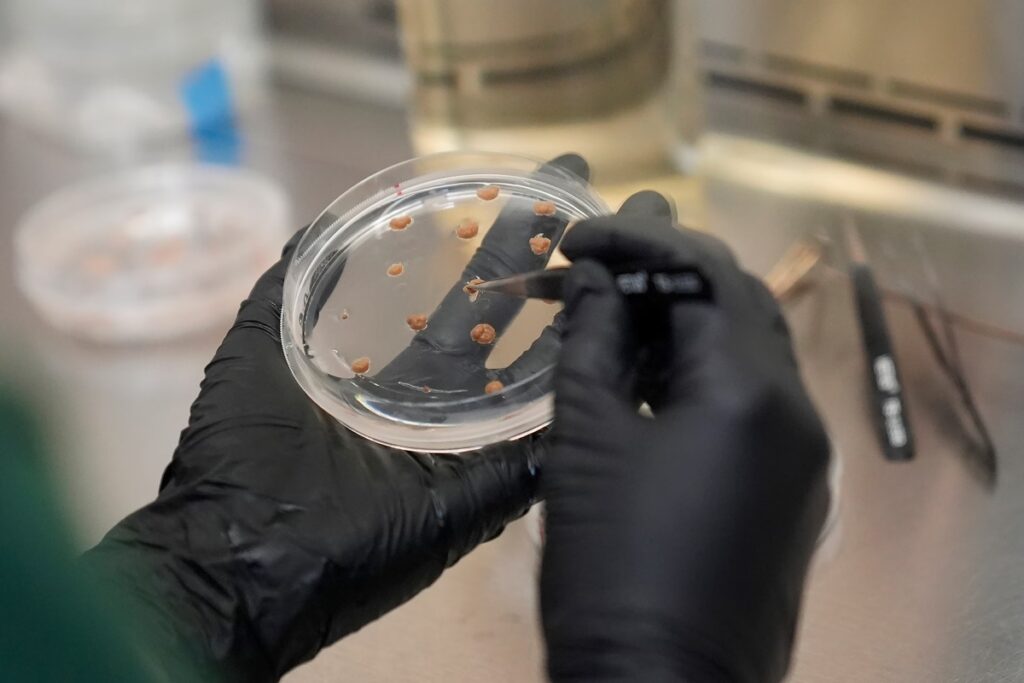
Chocolate enthusiasts might soon enjoy worry-free delights through lab-made chocolate. Researchers are developing cocoa-free chocolate using fermentation methods that mimic the flavor and consistency of genuine cocoa.
This approach may assist in decreasing deforestation linked to cocoa cultivation and offer a more environmentally friendly method for making chocolate. Lab-grown chocolate is still in the initial phase, but it shows potential for the future.
In the next decade, you could be savoring a chocolate bar created in a laboratory, free from environmental concerns.
The post 15 Innovative Edibles That Might Appear on Your Table Within the Next Ten Years appeared first on Blues Best Life.
Posting Komentar untuk "15 Foods That Will Shape Your Plate in the Next Decade"
Please Leave a wise comment, Thank you